The global biochar market is experiencing sustained expansion, driven by a focus on sustainable agricultural and environmental practices. The global biochar market size was USD 859.04 million in 2025 and is projected to reach USD 969.29 million in 2026, and USD 2,731.94 million by 2034.
The increasing applications of biochar in soil conditioning, carbon sequestration, and the utilization of waste biomass are supporting this market momentum. Nearly 55% of the demand comes from agriculture, while environmental remediation contributes almost 18%.
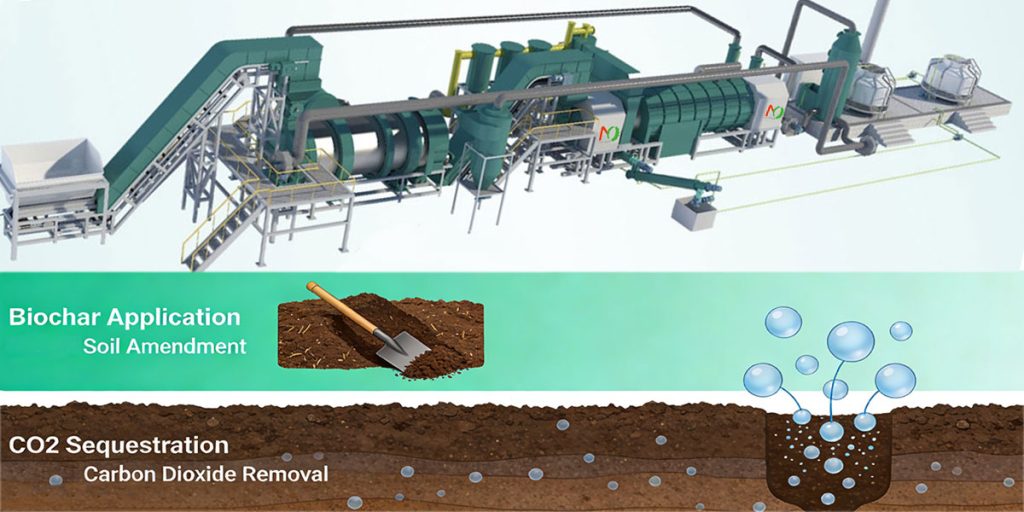
In recent years, the market demand for biochar technology as a carbon reduction solution has been growing rapidly. Biochar dominates the carbon removal (CDR) market in terms of delivered volume. Mingjie biomass pyrolysis plant has helped several companies achieve continuous biochar production.
In 2025, biochar continued to account for about 90% of the market share, driving the large-scale development of global CDR projects.
Investment activity in the biochar market is increasing, driven by its applications in agriculture, environmental remediation, and carbon management.
These trends highlight robust long-term opportunities supported by environmental performance, diversified applications, and the increasing adoption of circular economy models.
The biochar market is continuously evolving as a strategic solution for sustainable agriculture, environmental management, and circular biomass utilization.
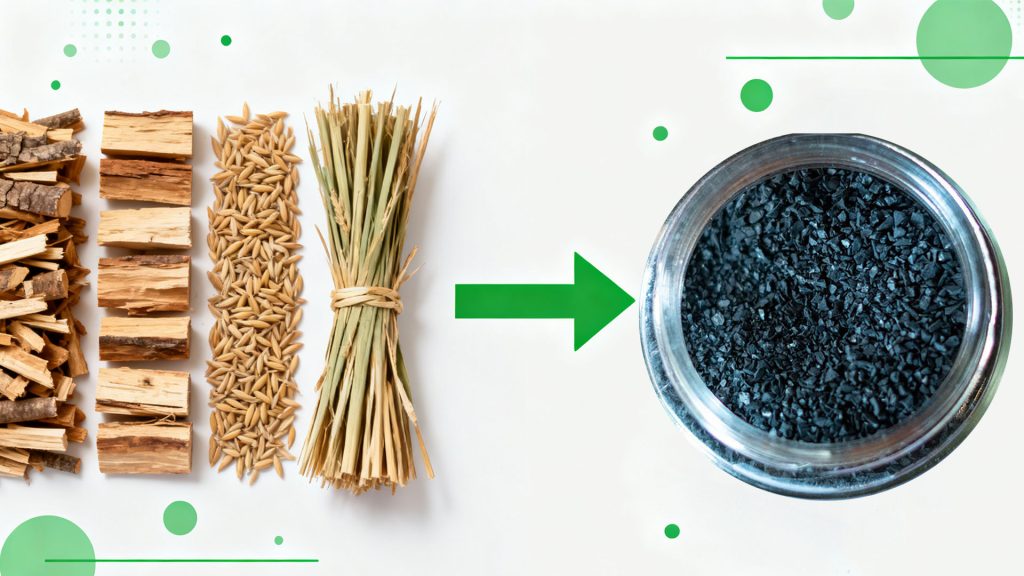
Biochar supports long-term soil fertility, reduce emissions, and improve water use efficiency, making it a crucial component of future climate-smart agricultural systems.
Over 70% of biochar use is concentrated in crop cultivation and pasture management. This is due to its ability to increase soil water retention capacity by nearly 30% and improve nutrient retention efficiency by over 25%.
The adoption of biochar in organic farming systems has increased by approximately 40% due to restrictions on synthetic soil amendments. Livestock farming accounts for nearly 12% of biochar demand, where biochar is used as a feed additive and bedding material, helping to reduce ammonia emissions by over 35%.
In environmental applications, biochar-based filtration systems demonstrate pollutant removal efficiency of over 60% for heavy metals and organic pollutants. Over 50% of biochar producers are shifting towards using agricultural waste and forestry residues as raw materials, increasing waste utilization by nearly 45%.
The biochar market has witnessed increasing adoption of carbon offsetting programs. Nearly 28% of stakeholders consider biochar a long-term carbon sequestration solution.
When applied to soil, biochar retains nearly 70%-80% of its carbon content, significantly reducing carbon emissions into the atmosphere. Due to biochar's long-term carbon stability, approximately 55% of sustainability-focused agricultural programs promote its use. Studies show that using biochar can reduce soil greenhouse gas emissions by approximately 20%-30%.

An Australian general waste and tire recycling authoritative body turned to Environment Minister Sussan Ley in November last year with a request to prohibit whole bale tire…
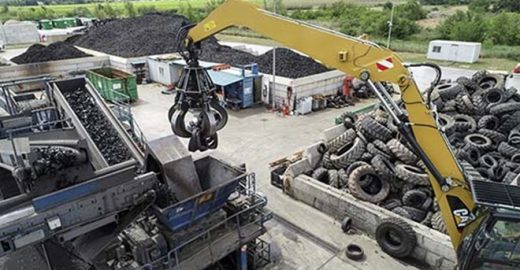
Aliapur – a French end-of-life tire management authority – recently announced a call for applications to participate in a tender to renew end-of-life tire collection and recycling contacts for 2021–2024..