In 2025, the pyrolysis oil market was valued at US$1.44 billion and is projected to grow from US$1.69 billion in 2026 to US$3.72 billion in 2031. Waste plastics accounted for 55.02% of the pyrolysis oil market share in 2025, while fuel accounted for 93.15% of the market size. The global plastic pyrolysis oil price exhibited significant regional differences and relatively small fluctuations in 2025.
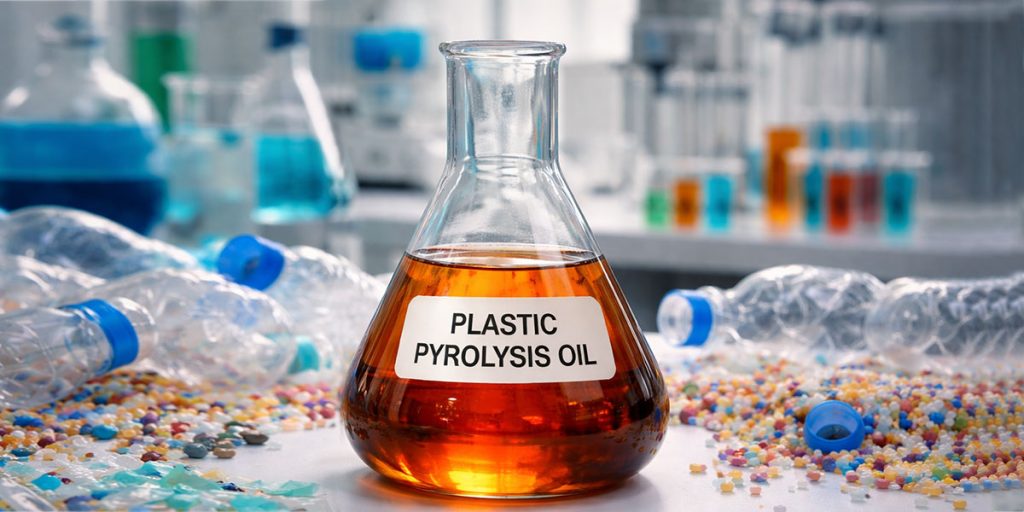
According to market price tracking data, different regions showed varying prices for plastic pyrolysis oil in 2025. The approximate price ranges for plastic pyrolysis oil were as follows:
Overall, plastic pyrolysis oil market prices fluctuated between $500 and $700 per ton.
From a time perspective, the plastic pyrolysis oil price remained generally strong in the first half of 2025. However, a slight decline was observed in some regions in the second half of the year. This was mainly influenced by a combination of supply and demand dynamics, inventory adjustments, and changes in industry procurement strategies.
The plastic pyrolysis oil price is influenced by multiple factors. Including supply and demand dynamics and production scale expansion, raw material costs and recycling system issues, plastic pyrolysis plant cost, and environmental and policy impacts.
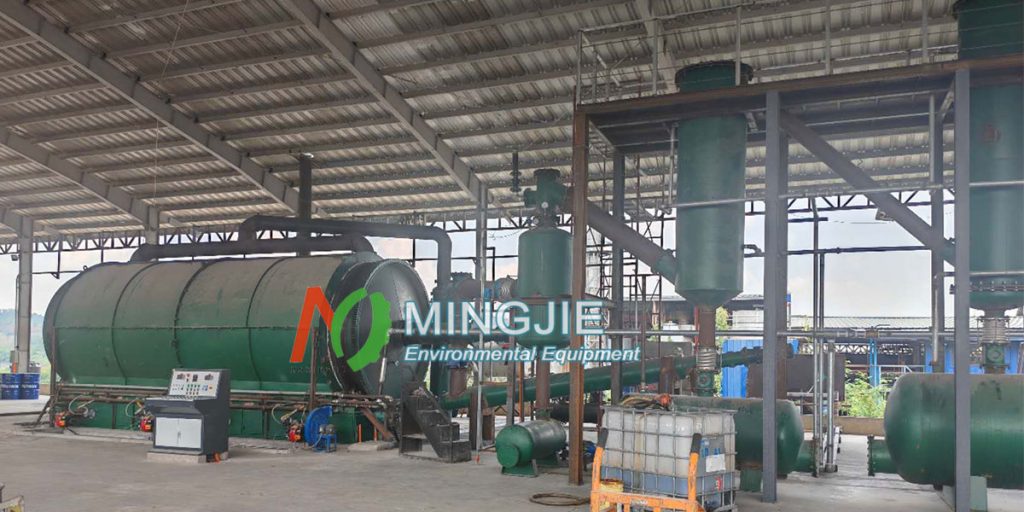
Market demand is a direct factor determining the pyrolysis oil price. With increasing global attention to environmentally friendly energy sources, the market demand for plastic pyrolysis oil, as a renewable alternative energy source, is showing an upward trend.
After refining, plastic pyrolysis oil can be used as a high-quality substitute for producing various chemical raw materials. The increased market demand leads to a corresponding increase in price.
With global plastic waste exceeding 380 million tons annually and mechanical recycling rates stagnating at below 10%, the market size for pyrolysis oil derived from waste plastics is also expected to grow accordingly.
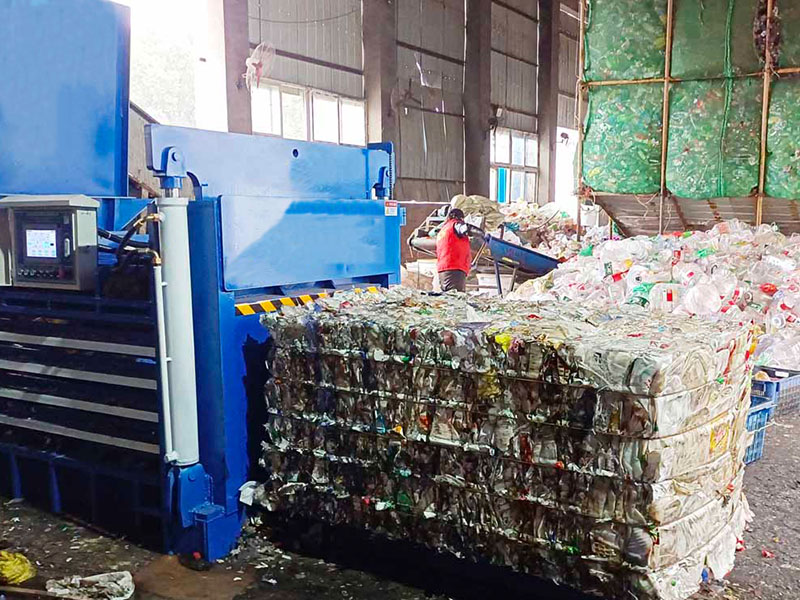
The production of pyrolysis oil from plastic relies on a sufficient and stable supply of plastic waste. As its core raw material, the plastic waste collection cost directly impact the plastic pyrolysis oil price.
When the market has a well-developed plastic waste recycling system and ample supply, companies can obtain raw materials at a relatively low cost. This reduces the production cost of pyrolysis oil, allowing them to sell their products at lower prices in the market.
Conversely, a shortage of plastic waste supply, making it difficult for companies to obtain raw materials, will undoubtedly drive up the price of pyrolysis oil.
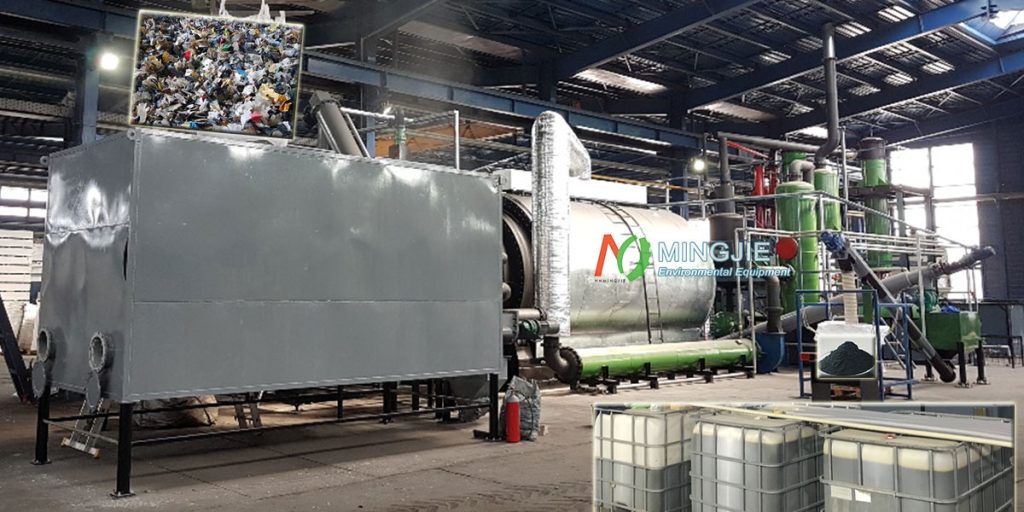
Advanced technology is one of the key factors influencing the pyrolysis oil price. Advanced plastic pyrolysis plant can significantly improve production efficiency and product quality.
Mingjie plastic pyrolysis equipment adopts more advanced insulation materials, control systems, and exhaust gas purification systems. This effectively reduces energy consumption, lowering the production cost of pyrolysis oil and making its price more competitive.
Environmental and policy regulations play a guiding and regulatory role in the plastic pyrolysis oil market.
Government policies on plastic waste management directly affect the supply of raw materials and production costs of plastic pyrolysis oil. Some countries and regions have increased recycling standards and requirements for plastic waste through legislation, leading to an increase in the amount of plastic waste recycled. This provides a more abundant supply of raw materials for pyrolysis oil production, stabilizing or even lowering the plastic pyrolysis oil price to some extent.
Environmental requirements and subsidy policies for plastic pyrolysis oil producers also influence prices. Strict environmental standards require companies to invest more in environmental protection equipment and technologies during the production process to reduce emissions of waste gas, wastewater, and solid waste. This undoubtedly increases production costs and may lead to higher plastic pyrolysis oil prices.
Some governments, in order to encourage the development of the plastic pyrolysis industry, provide preferential policies such as financial subsidies and tax breaks. These policies can effectively reduce operating costs for companies, giving them greater flexibility in price adjustments. As a result, plastic pyrolysis oil can be sold at more competitive prices in the market.

An Australian general waste and tire recycling authoritative body turned to Environment Minister Sussan Ley in November last year with a request to prohibit whole bale tire…
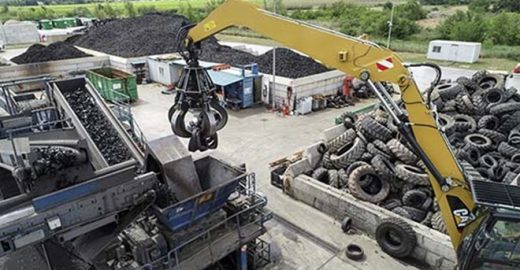
Aliapur – a French end-of-life tire management authority – recently announced a call for applications to participate in a tender to renew end-of-life tire collection and recycling contacts for 2021–2024..