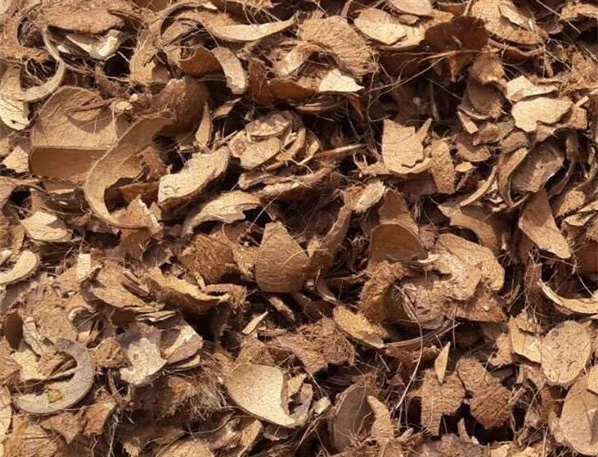
Biomass carbonization equipment turns biomass materials like wood chips, straw, rice husks, coconut shells into biochar through continuous pyrolysis technology. The biomass carbinization equipment is also called biomass pyrolysis machine, biochar machine. The main parts of the biochar machines include reactor chamber, heating system, gas purification system and control system. They work together to ensure the biochar continuous production.
Biochar machines are the core equipment for realizing the pyrolysis and carbonization of biomass and the large-scale production of biochar. Their operating efficiency directly affects the biomass resource utilization rate and production energy costs.
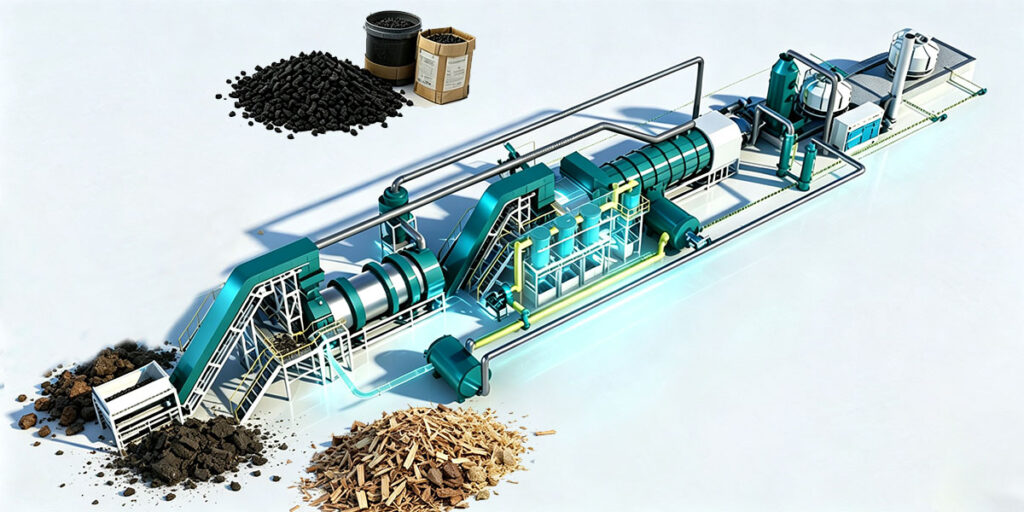
In actual production, the operating efficiency of biochar machines is not constant but highly dependent on the characteristics of the biomass itself and the supporting pyrolysis process conditions. Differences in the composition and structure of different biomass raw materials, as well as fluctuations in operating parameters, will directly alter the pyrolysis effect. This will result in significant differences in biochar production capacity and quality.
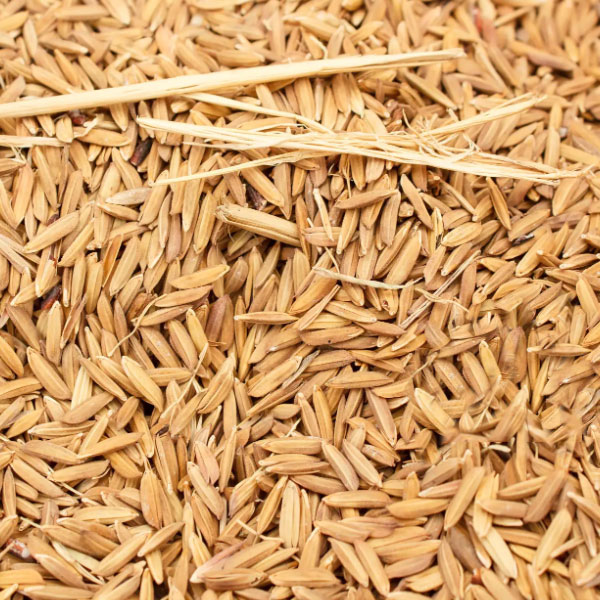
Agricultural residues are among the largest and most abundant sources of biomass for biochar. Common agricultural residues include crop stalks, rice husks, wheat straw, corn stover and sugarcane bagasse. These biomass samples are high in cellulose and lignin.
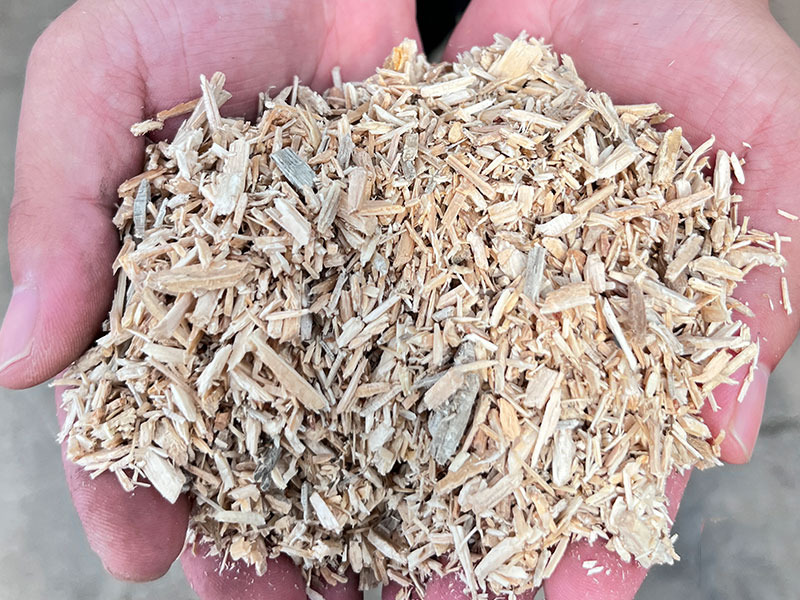
The forestry wastes including wood chips, sawdust, bark and pruning are materials rich in carbon and poor in nitrogen which are suitable for carbonization. The biomass carbonization machine is suitable for 5-20mm dry bamboo chips (moisture content is less than 15%). Such as bamboo shavings, rice husks, coffee shells, nut shells, wood chips, palm shells and so on.
Another class of urban biomass resources is derived from organic waste streams generated from urban municipalities such as lawn trimmings, food waste and paper mill sludge. In this context these urban biomass waste streams represent not only a new biomass resource but also a significant waste stream for municipalities that pose a real opportunity to enhance public health and safety while also reducing municipal solid waste and costs.
The moisture content has a great influence on the productivity and energy consumption in biochar production process. The suitable moisture content for most biochar machines is usually in the range of 10%–20%. A moisture content that is too high will need to burn extra energy to vapourize the water before the material can be pyrolyzed.
Studies demonstrated that altering the biomass composition by either increasing or decreasing the lignin to cellulose to hemicellulose ratio impacts the final biochar properties such as carbon content, surface area and porosity. Biochar with higher lignin to cellulose to hemicellulose ratio generally have higher stability and more carbon retention.
Particle size affects the heat transfer rates and residence time in the reactor chamber. Uniform particle size feedstock assures consistent conditions and biochar quality.
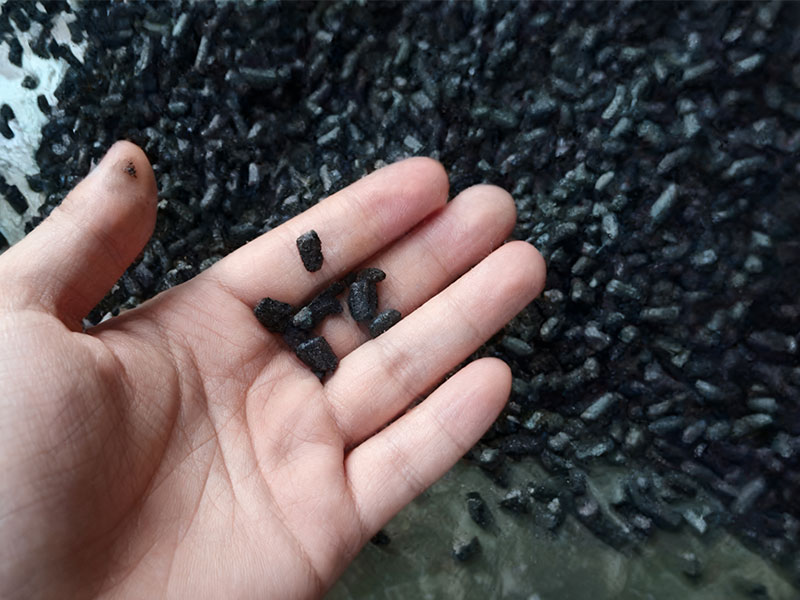
Energy consumption in the pyrolysis process is greatly influenced by moisture content of the biomass, heating value and thermal properties. Drier biomass is associated with less energy demand for drying which contributes to higher pyrolysis system efficiency and lower operating costs.
The conversion rate from biomass to biochar varies with the temperature, residence time and composition of biomass. It is typically ranging from 20-40% on a weight basis with higher temperatures producing lower amounts of biochar, but with better carbon retention.
Consistency and quality of produced biochar across different inputs require careful optimization of processing parameters for each biomass type. Maintaining uniform temperature profiles and residence times ensures consistent biochar properties for specific applications.
Biomass performance in biochar machines is quite different for various biomass sources. Lignocellulosic biomass sources like woods are always consistent in terms of their behavior during pyrolysis and this is also consistent with their conversion rates. Agricultural residues may require some optimization of operational parameters, as presence of ash content and varying volatile matter content can be a challenge.
The use of diverse biomass resources creates additional engineering challenges including, but not limited to: handling a wide variety of feedstock physical and moisture content, and optimal process conditions for each feedstock. Potential fouling and corrosion issues with some of the feedstocks in the reactor.
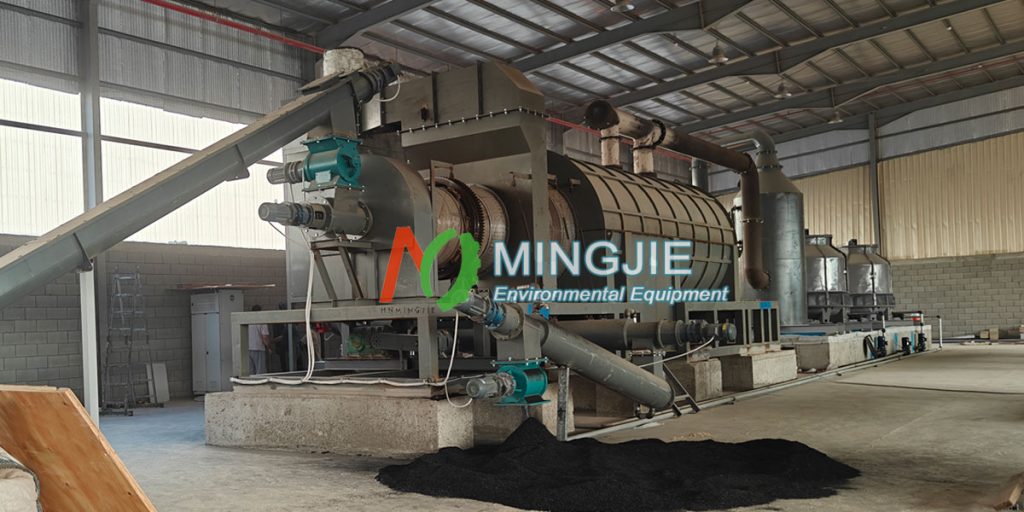
More recently biochar production equipment developments are focusing on improved heat transfer, gas cleaning, real-time intelligent control of key parameters, such as temperature and duration and other factors. New reactor designs have also involved better insulation materials as well as better heat recuperation systems.
All through the pyrolysis process, automation and control systems can continuously monitor and control temperature, pressure, and gas flow rates by means of various sensors. The control system is able to adjust the operating conditions according to the properties of the feedstock and according to the characteristics of biochar required.
Renewable energy such as solar heating or biomass-fired heating systems can be incorporated into biochar production to decrease reliance on fossil fuels.
Routine maintenance is the backbone of extended equipment life and optimal performance. As mentioned previously, stopping the batch plant on a weekly basis for general inspection on the wearing parts and lubrication of the related components is recommended, and to stop the batching plant for maintenance for one day every month.
Developing competent operational skills in biochar operators to deal with various types and sources of biomass is considered a bottleneck that impacts the overall productivity and efficiency of the biochar production systems. Understanding the aspects related to biomass preparation, optimization of process parameters and quality control is key to enabling operators to deal with changes in raw material and thereby to achieve consistent biochar quality by controlling the problem at source.
Real-time data from temperature sensors, gas analyzers and biochar quality sensors allow for on-the-fly adjustment of process parameters. Periodic sampling and analysis of biochar products confirms product consistency and validates effectiveness of specific operational parameters.
An Australian general waste and tire recycling authoritative body turned to Environment Minister Sussan Ley in November last year with a request to prohibit whole bale tire…
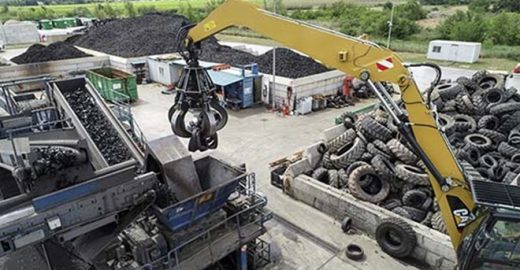
Aliapur – a French end-of-life tire management authority – recently announced a call for applications to participate in a tender to renew end-of-life tire collection and recycling contacts for 2021–2024..