Managing municipal solid waste presents a massive challenge for rapidly expanding urban centers. Cities often face mounting trash piles that threaten public health. Landfills consume valuable land and cause long-term soil pollution. Small-scale pilot projects offer a sustainable way to test waste-to-energy solutions. A Batch Pyrolysis Plant provides a perfect entry point for local investors. These projects allow stakeholders to verify technology with minimal financial risk. Using a Batch Pyrolysis Plant helps validate the business model before full-scale expansion. This approach ensures urban areas develop clean and efficient waste management systems. Pilot programs turn local garbage into a valuable economic and energy resource.
A Batch Pyrolysis Plant utilizes thermochemical decomposition in a completely sealed environment. This process occurs in an oxygen-deficient atmosphere at very high temperatures. The system effectively breaks the molecular bonds of solid organic waste. It processes materials in discrete batches rather than in a continuous flow. This Plant design remains simple and highly reliable for new operators. It converts tires and plastics into several usable and profitable energy products. These outputs include high-purity fuel oil and industrial-grade carbon black. The system also generates syngas during the intensive heating phase. Syngas provides additional energy to help maintain the reactor temperature.
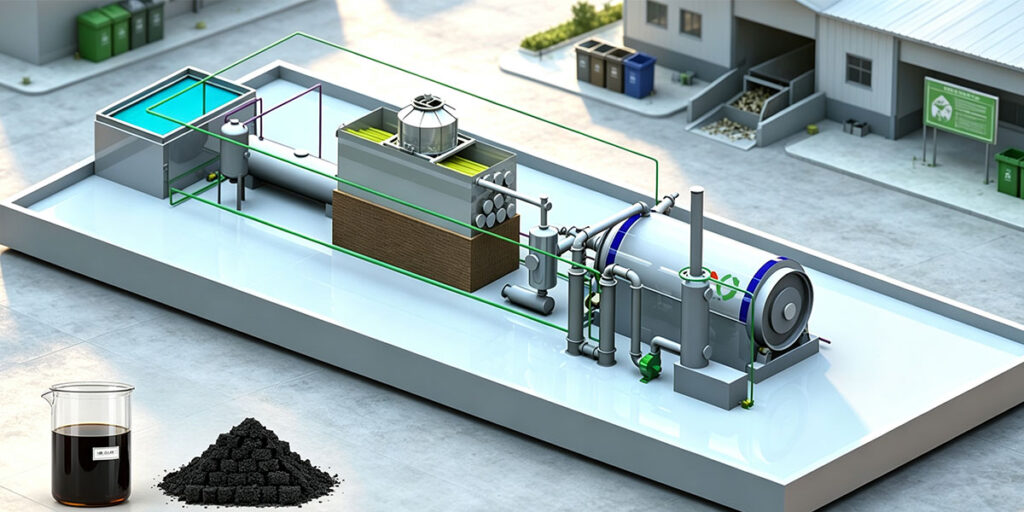
The Batch Pyrolysis Plant reactor handles materials in a specific technical sequence. Operators load whole tires or sorted plastics into the heavy-duty reactor first. They then seal the main door to ensure an airtight environment. Burners heat the furnace until it reaches an optimal 420 degrees Celsius. Solid materials transform into oil gas under these controlled thermal conditions. The gas then travels through the cooling system to liquefy into oil. This Batch Pyrolysis Plant design ensures the entire process remains clean. It allows for high thermal efficiency in smaller waste-to-energy operations. Engineers easily monitor temperature gauges and pressure levels during each batch.
Choosing a Batch Pyrolysis Plant offers significant financial advantages for small startups. These units require much lower capital investment than large continuous systems. This makes them ideal for early-stage municipal waste pilot projects. High cost-effectiveness represents a primary benefit for conservative energy investors. A Batch Pyrolysis Plant allows for thorough testing with limited upfront funds. Local managers can verify the yield and quality of the oil. This equipment helps avoid the risks associated with massive industrial failures. It provides a solid foundation for building a viable business case. Local governments prefer the manageable cost of it. It allows them to solve waste issues within constrained public budgets.
Mingjie Group builds long-term trust through high-quality after-sales technical service. Their team supports customers throughout the entire life of the Pyrolysis Plant. Investors value this professional support when launching their first pilot projects. Such service reduces the risk of expensive downtime for the waste facility. The high cost-effectiveness of this equipment includes proven long-term mechanical reliability. A Batch Pyrolysis Plant is a durable tool for modern waste management. It helps small companies grow steadily without taking on heavy debt. Reliable machinery ensures that pilot projects consistently reach their production goals. Many global customers choose this equipment for its documented performance records.
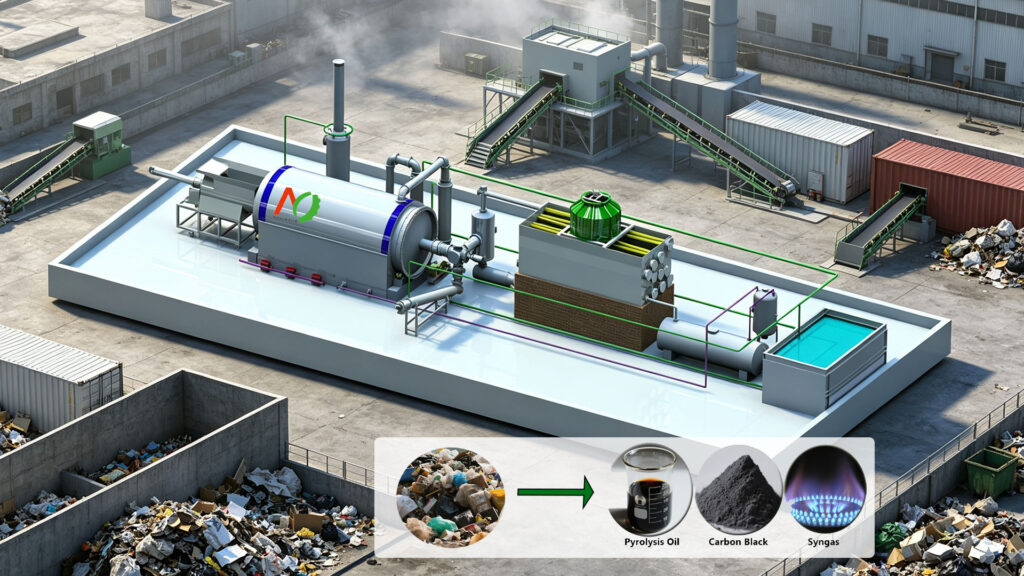
The Batch Pyrolysis Plant effectively handles many different types of urban waste. It processes plastics like PE and PP with very high efficiency. Tires and scrap rubber also perform well inside the high-temperature reactor. The machine accepts diverse organic municipal solid waste materials for processing. Operators should follow pre-sorting advice to achieve the best thermal results. They must remove inert materials like metal, glass, and heavy stone. Removing these non-pyrolyzable items protects the long-term health of the machine. Washing the raw waste materials is not strictly required for this process. However, cleaner waste inputs will improve the final quality of the oil. This Batch Pyrolysis Plant successfully turns sorted garbage into clean energy.
Specific plastic types yield excellent results in a Batch Pyrolysis Plant. PE materials like thin films and bottles provide high oil output. Electrical insulating materials and water pipes also work well as feedstock. PP waste like ropes, tableware, and furniture offers consistent processing performance. Woven bags and car bumpers also yield significant amounts of fuel oil. Operators must ensure they remove metal wires from tires before loading. A Batch Pyrolysis Plant works best when the feed material remains consistent. Pre-sorting also helps in obtaining higher quality industrial carbon black. Clear sorting leads to a more predictable and profitable fuel oil yield. The Pyrolysis Plant remains a flexible tool for urban trash.
A Batch Pyrolysis Plant creates several high-value products for immediate industrial sale. Pure PE and PP plastics offer exceptional fuel oil yields for investors. These materials often yield between 70% and 80% liquid fuel oil. This oil serves as vital fuel for industrial boilers and large ships. Diesel generators can also use this oil to produce local electricity. The Pyrolysis Plant produces industrial carbon black as a secondary product. Investors sell this carbon black for various secondary manufacturing uses. It is also highly effective as a solid fuel source. These products ensure a strong financial return on the initial investment. A Batch Pyrolysis Plant turns discarded waste into very profitable assets.
The resulting carbon black possesses a significant and growing market value. Users can press the powder into briquettes for use as fuel. This creates a circular energy system within the waste facility itself. The rubber and plastic industries use carbon black as a filler. It can also serve as a color master batch for manufacturing. A Batch Pyrolysis Plant owner gains extra income from these diverse sales. The fuel oil remains the primary product for many industrial consumers. It works perfectly for heavy-load and low-speed diesel engines. Some users refine this oil further into bright non-standard diesel. This extra distillation step increases the total profit for the investor.
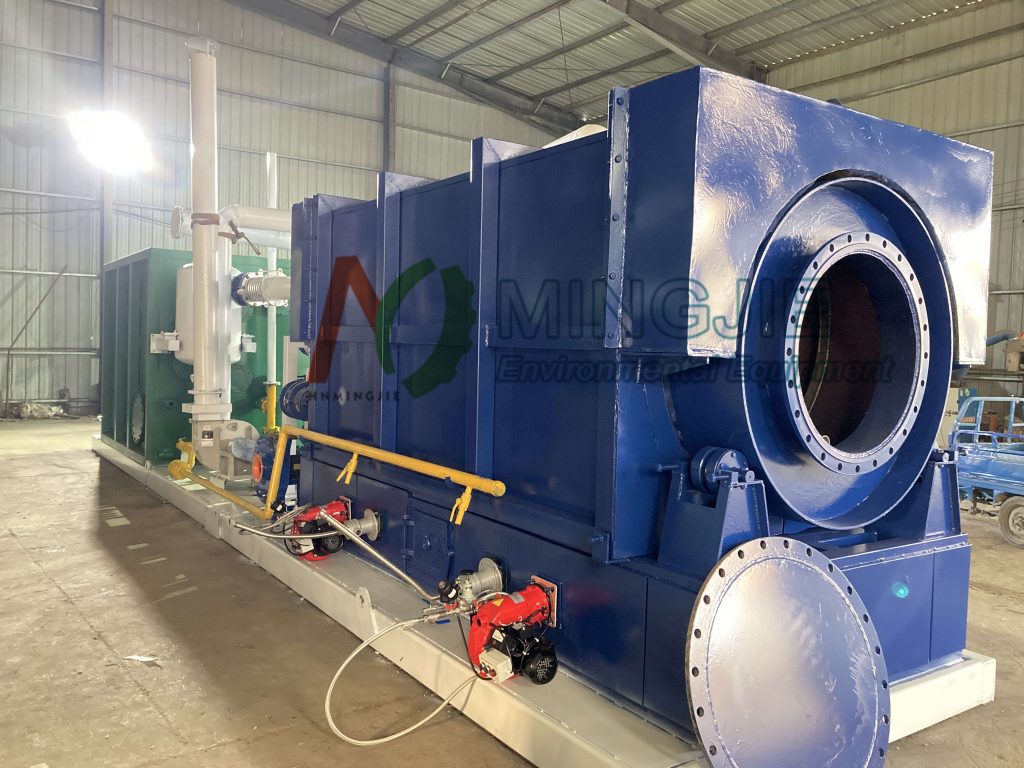
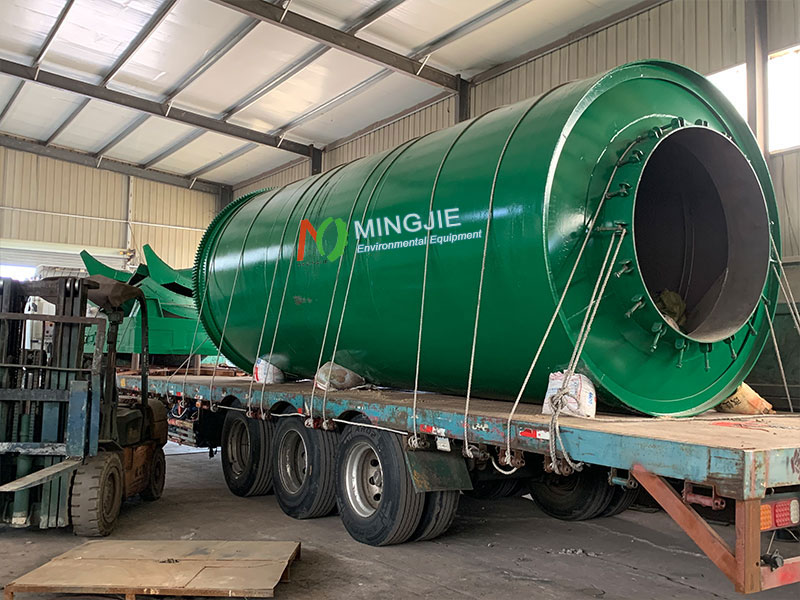
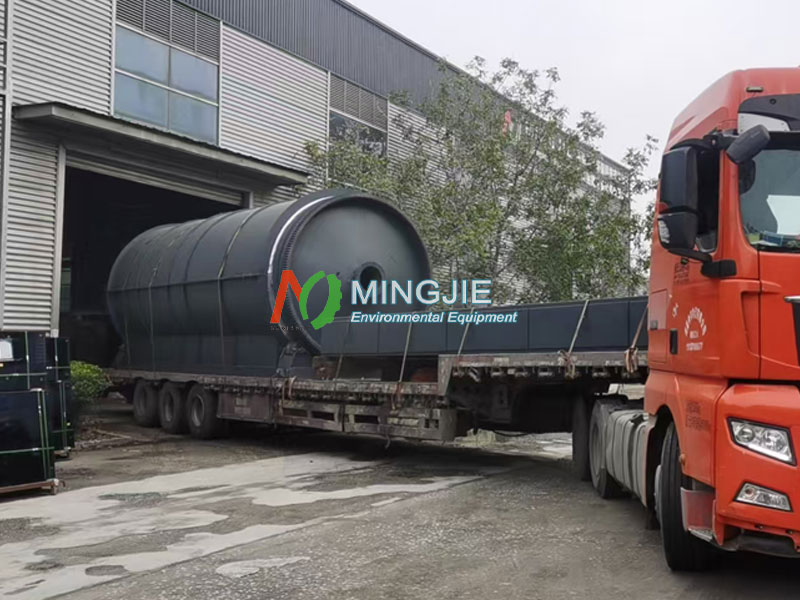
The Mingjie batch pyrolysis equipments come in various models, including MJ-2, MJ-6, MJ-10, MJ-12, and MJ-15. Among them, MJ-2 pyrolysis equipment adopts a skid-mounted design for small projects. These reliable machines process between 2 and 15 tons of waste daily. The processing cycle starts with a quick 20-minute manual feeding period. Pyrolysis then takes approximately 4 to 5 hours to reach completion. The reactor requires exactly 4 hours to cool down after the heat. Discharging the carbon black takes another full hour to finish safely. A Pyrolysis Plant manages these critical steps in a logical sequence. Total processing time for one batch is roughly ten hours. This machine features very high efficiency for discharging solid slag.
The technical design of the Pyrolysis Plant supports operational productivity. Operators can reload the reactor once the previous cycle reaches completion. This sequence maintains a steady daily workflow for small waste operations. High slag discharge efficiency significantly reduces manual labor time for workers. This ensures that the plant remains productive throughout the working day. A Batch Pyrolysis Plant is simple for small teams to operate. It does not require the complex automation of expensive continuous systems. This simplicity makes the machine very reliable for new technical users. Small-scale projects benefit from this manageable and robust mechanical design.
Using a Batch Pyrolysis Plant is much better for the local environment. Traditional waste incineration releases high levels of dangerous airborne toxins. Pyrolysis produces significantly fewer dioxins and NOx during the heating process. It also effectively lowers the emission of harmful SO2 gases. This Batch Pyrolysis Plant helps reduce total greenhouse gas emissions annually. It supports a cleaner and more sustainable municipal circular economy. The system operates under oxygen-deficient conditions to avoid any direct burning. This prevents the release of heavy smoke and hazardous fumes. A Batch Pyrolysis Plant protects the long-term health of local communities. It offers a green alternative to outdated landfill disposal methods.
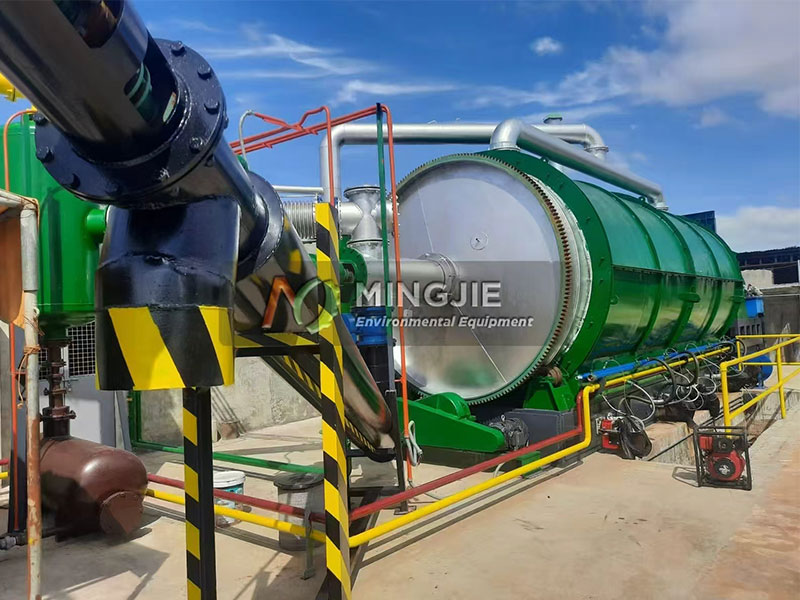
Regular maintenance keeps the Batch Pyrolysis Plant running at peak performance. Owners should stop the machine once every week for inspections. Use this time to check all critical wearing parts carefully. Inspect the lubricant levels in all moving mechanical parts of the plant. Dedicate one full day each month for deep cleaning tasks. Clean the reactor interior to maintain high heating and fuel efficiency. A Batch Pyrolysis Plant requires simple but very consistent care. Checking the mechanical seals helps prevent syngas leaks during operation. Active monitoring ensures the safety of the entire energy system. Proper care significantly extends the lifespan of the pyrolysis equipment.
Operators must follow the technical maintenance guide for the Pyrolysis Plant. Consistent cleaning prevents the buildup of carbon residue in the system. This ensures that the oil gas condenses into liquid efficiently. A Batch Pyrolysis Plant depends on clear and clean heat exchange surfaces. Lubricating the bearings reduces friction and prevents avoidable mechanical failure. Regular inspections allow for the early detection of minor wear. This proactive engineering approach saves money on expensive emergency repairs. A well-maintained Batch Pyrolysis Plant provides a very stable energy output. Success in waste management relies on these disciplined daily maintenance routines.
A Batch Pyrolysis Plant serves as a bridge to industrial success. Experience with this machine helps teams master the complex pyrolysis process. They can then scale up to more advanced semi-continuous pyrolysis systems. These larger units handle more waste with less manual labor requirements. Semi-continuous pyrolyssi plants process 15-16 tons of tires or 12 tons of plastic. Mingjie Group supports this growth with professional engineering and site advice. They have implemented successful projects in more than 30 different countries. Their Batch Pyrolysis Plant technology is proven and very reliable globally. Investors can confidently plan for future industrial-scale expansion projects. This roadmap leads from a small pilot to a massive project.
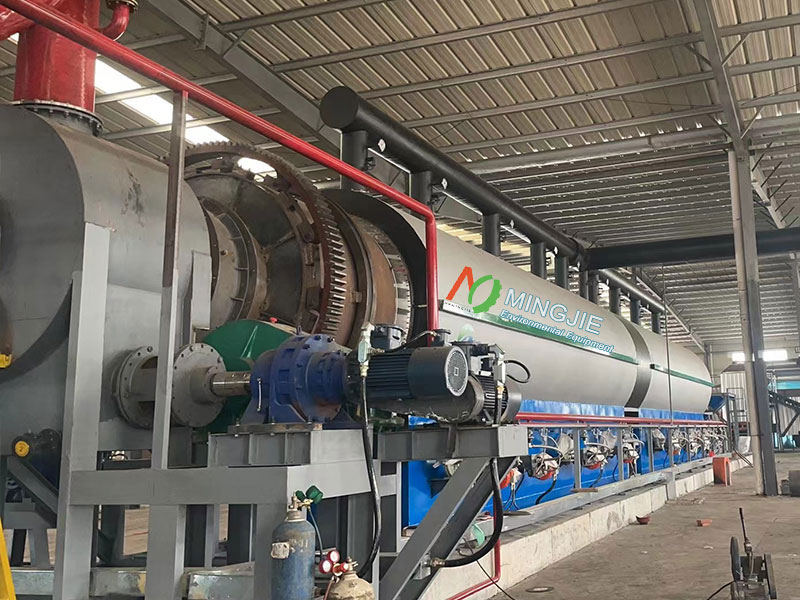
Scaling up involves moving to fully automatic pyrolysis plant. The large scale pyrolysis machine can process 35-40 tons of tires in 24 hours. A Batch Pyrolysis Plant provides the vital foundation for this future expansion. Mingjie Group has served more than 200 customers around the world. They offer customized environmental solutions for every unique local waste challenge. Their factories feature a CNC equipment workshop measuring 12,000 square meters. Masters at Mingjie have more than 20 years of manufacturing experience. Their machines are ISO and CE certified for high global safety. Investors rely on this deep expertise when planning for sustainable growth. A Batch Pyrolysis Plant is the first step toward a cleaner future.
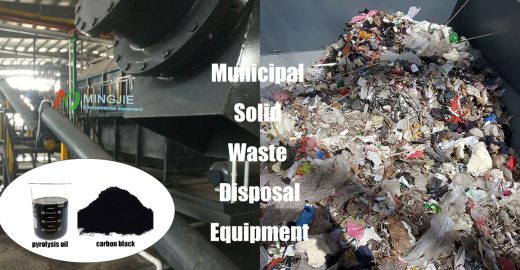
Pyrolysis technology plays an important role in municipal solid waste management around the world. The MSW pyrolysis plant is an efficient and environmentally friendly equipment…

The municipal solid waste pyrolysis treatment is a complex and orderly process. It converts waste into usable energy through a high-temperature oxygen-free or oxygen-deficient environment.…