The core contribution of waste biomass pyrolysis technology to energy and environmental protection lies in transforming waste into valuable resources. It not only produces renewable energy, but also achieves long-term carbon sequestration and reduces environmental pollution from waste. Biomass pyrolysis involves heating biomass (straw, wood chips) under oxygen-deficient conditions to decompose it, primarily producing biochar, pyrolysis gas, and bio-oil.
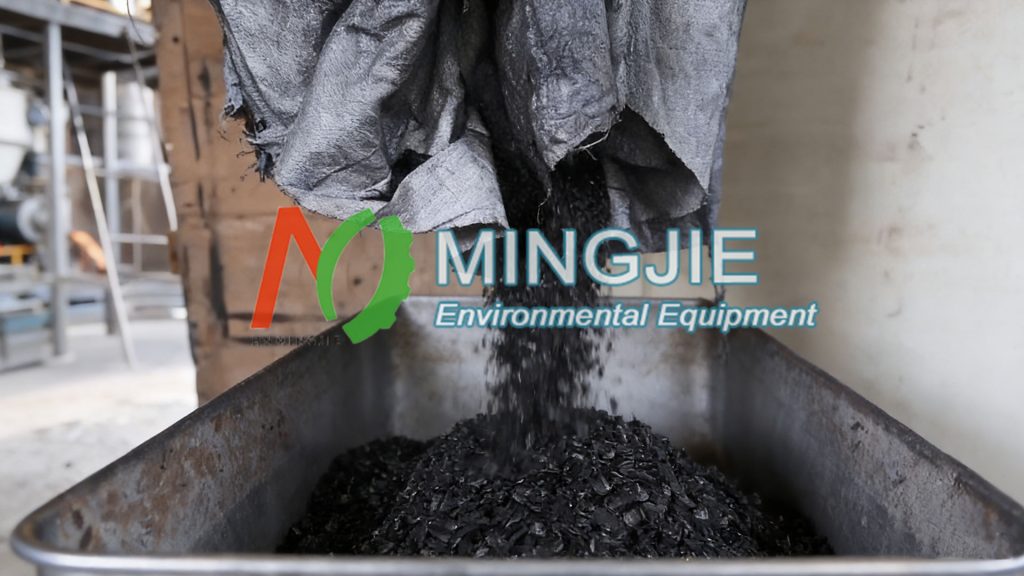
In the energy sector, with the increasing global demand for renewable energy, combustible gases produced from waste biomass pyrolysis can be used as a clean energy source. Syngas, with its advantages of low carbon emissions and sustainability, is receiving increasing attention and application. The combustible gases can be directly used for power generation and heating, providing a new option for energy supply.
In the environmental protection field, the application of biomass pyrolysis technology is also of great significance. On the one hand, waste biomass pyrolysis can convert large amounts of agricultural and forestry waste, urban organic waste, etc., into valuable energy products. It achieves the reduction, harmless treatment, and resource utilization of waste, reducing environmental pollution caused by waste.
On the other hand, biochar, as one of the important products of waste biomass pyrolysis, has good adsorption properties and soil improvement effects. Applying biochar to the soil can improve soil structure and promote crop growth. At the same time, it can reduce the use of fertilizers and pesticides, reducing agricultural non-point source pollution.
Globally, waste biomass pyrolysis projects are scattered across the world. Geographically, Europe and North America, with their advanced technology and strong financial resources, have a head start in the field of biomass pyrolysis and have developed relatively mature industries. They have numerous large-scale demonstration projects and commercially operational facilities.
In Europe, countries such as the Netherlands, Sweden, and Germany are actively promoting the development of biomass pyrolysis projects. Through policy support and research investment, they are continuously improving the application level of biomass pyrolysis technology. They are committed to achieving the dual goals of sustainable energy supply and environmental protection.
In South America, countries such as Brazil are vigorously developing the waste biomass pyrolysis industry, leveraging their abundant biomass resources. Brazilian biomass pyrolysis projects mainly use agricultural waste such as sugarcane bagasse as raw materials to produce bioenergy and bio-based products. While meeting domestic energy needs, they also export some products to the international market, achieving good economic and social benefits.
These biomass pyrolysis projects also exhibit diverse characteristics in terms of product applications. Some projects focus on the production of biochar, which is used for soil improvement, carbon sequestration, and other applications. Other projects combine biomass pyrolysis with power generation, using the combustible gases produced by pyrolysis to drive generators, thus achieving electricity production and supply.
In recent years, the development momentum of biomass pyrolysis in Asia has also been very strong. As the world’s largest developing country, China possesses abundant biomass resources. With the increasing emphasis on renewable energy, China has made significant progress in biomass pyrolysis technology research and project construction.
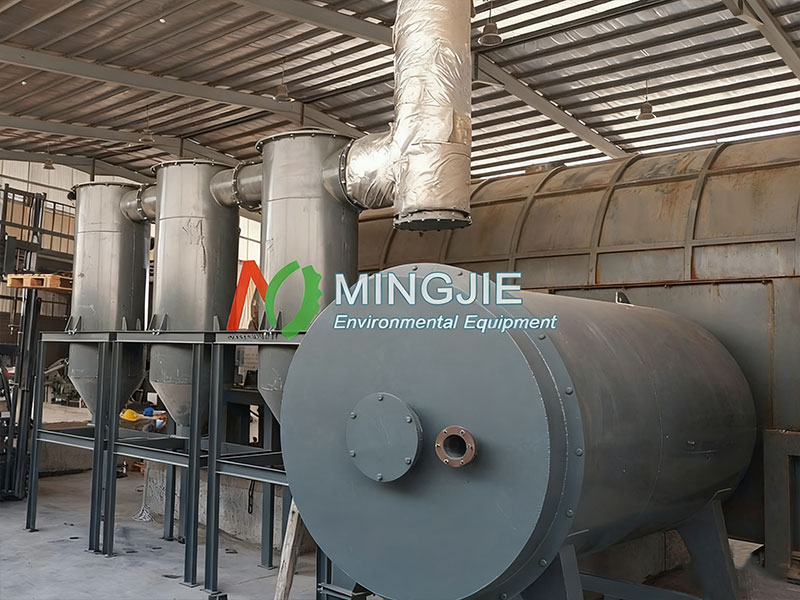
Mingjie Group is a professional pyrolysis plant manufacturer in China. Its biochar production equipment widely used in waste biomass pyrolysis projects worldwide, including South Korea, South Africa, Finland, Vietnam, Chile, Saudi Arabia.
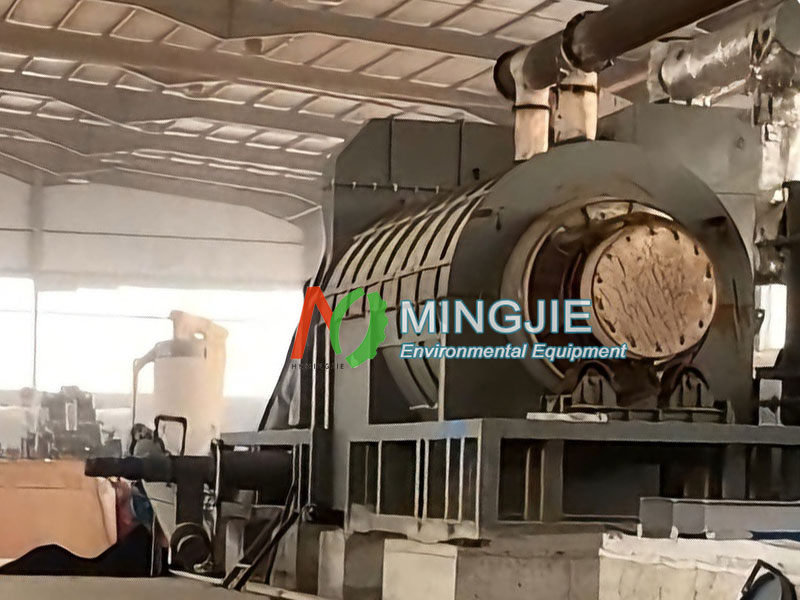
In the manufacturing of biomass pyrolysis equipment, we continuously innovate in design and optimize the structure, significantly improving the efficiency and stability of the pyrolysis process. Our biomass pyrolysis reactors utilize advanced materials and manufacturing processes, possessing superior thermal insulation and high-temperature resistance. They effectively reduce heat loss and improve energy utilization efficiency.
Furthermore, through intelligent and precise control of the internal flow field and temperature field of the reactor, we achieve uniform heating and complete reaction of the biomass raw materials. This further increases the yield and quality of the biochar produced by pyrolysis.
An Australian general waste and tire recycling authoritative body turned to Environment Minister Sussan Ley in November last year with a request to prohibit whole bale tire…
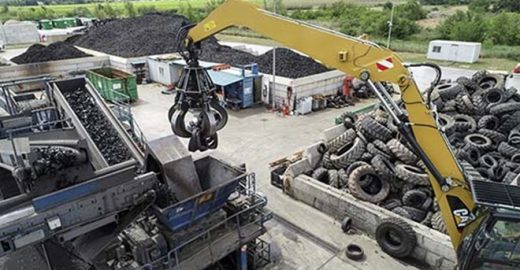
Aliapur – a French end-of-life tire management authority – recently announced a call for applications to participate in a tender to renew end-of-life tire collection and recycling contacts for 2021–2024..