
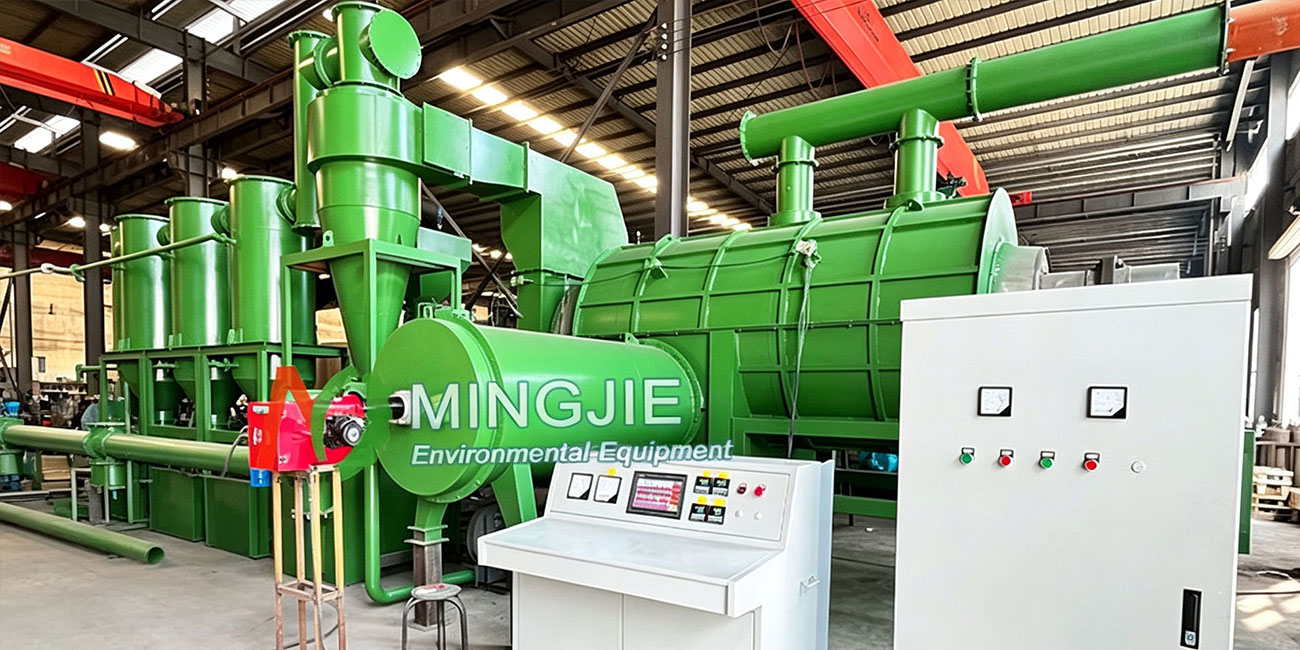
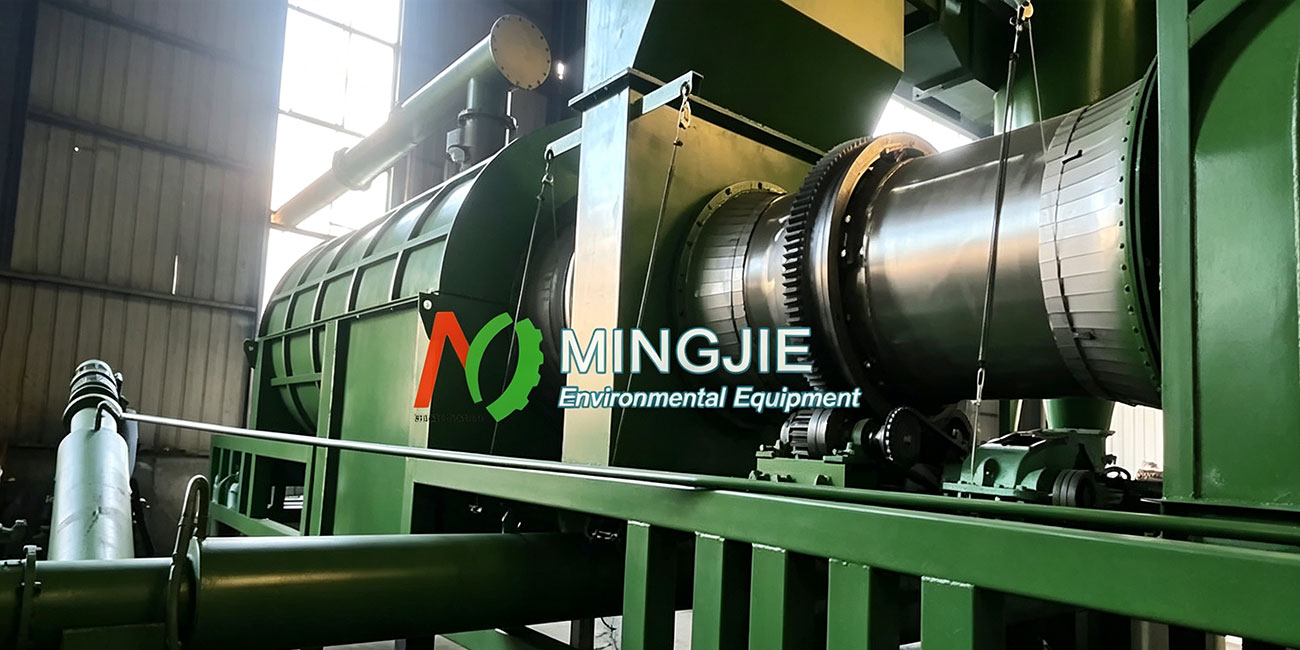
Technical Specifications
| Model | MJT-100 | MJT-500 | MJT-1000 | MJT-2000 | MJT-3000 | MJT-5000 |
| Capacity | 100KG/H | 500KG/H | 1000KG/H | 2000KG/H | 3000KG/H | 5000KG/H |
| Operation | Fully Continuous | |||||
| Accepted materials | Rice Husk, Saw Dust, Wood Waste, Straw, Palm Shell, Coconut Shell, Sludge, Animal Manure, Sugarcane Bagasse | |||||
| End products | Biochar, Syngas, Tar& Wood Vinegar(optional) | |||||
| Applicable fuel | Coal/Natural Gas/LPG/Diesel/Wood/Pyrolysis Oil | |||||
| Material of reactor | 304 Stainless Steel | |||||
| Reactor structure | Double Cylinders | |||||
| Cooling | Water Cooling | |||||
| Land Required | 300-400m2 | |||||
Continuous biochar production plant is capable of processing solid waste feedstocks. Including agricultural and forestry residues, municipal sludge, and livestock manure. Utilizing a low-temperature pyrolysis carbonization process, it converts various types of waste into biochar. Biomass to biochar production plant integrates solid waste reduction, pollution control, and resource recovery, effectively turning waste into a valuable resource.
Raw Materials
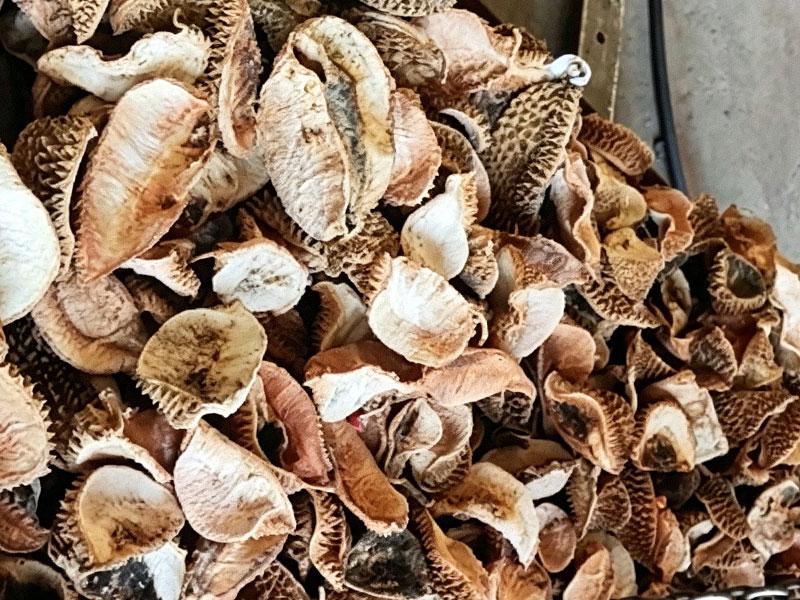
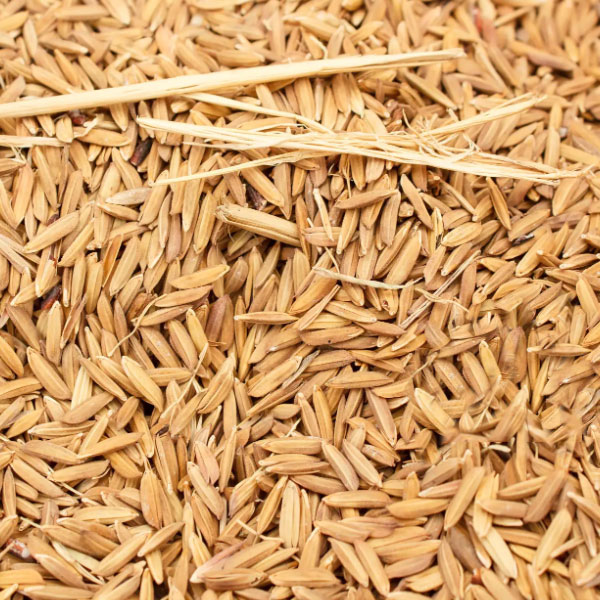
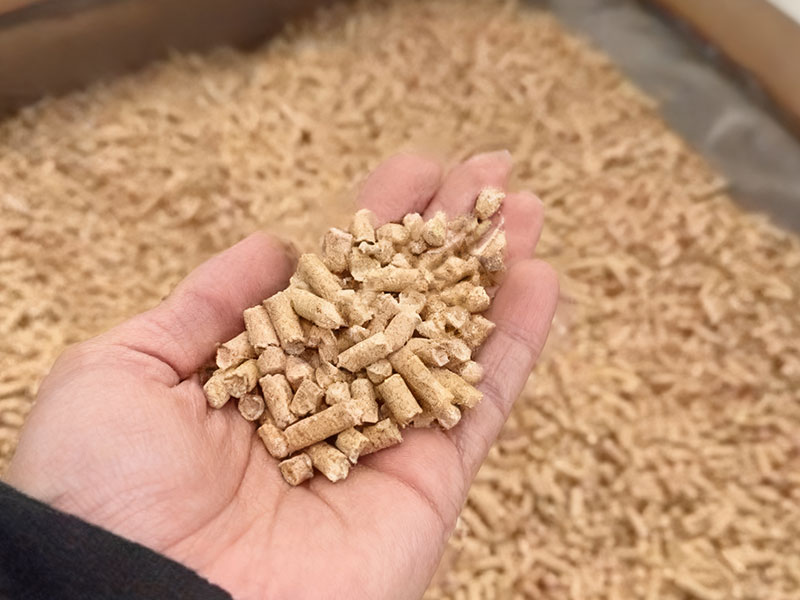
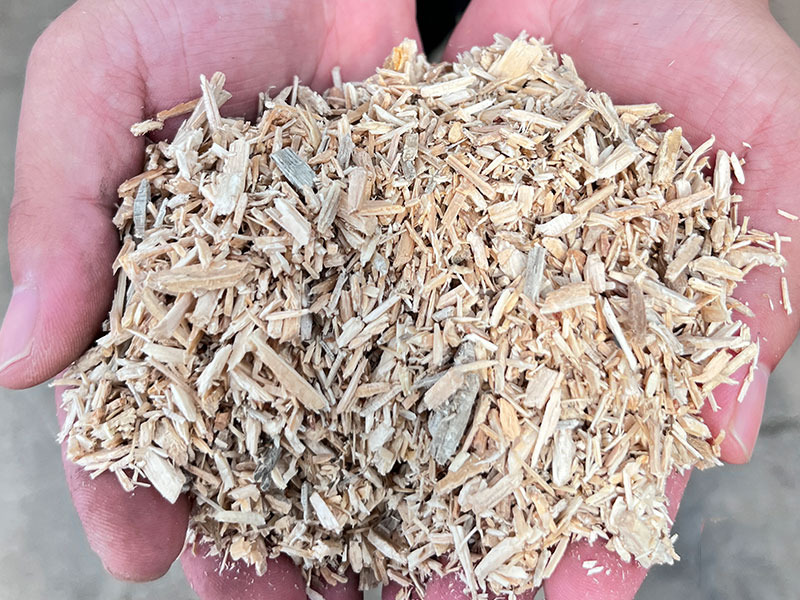
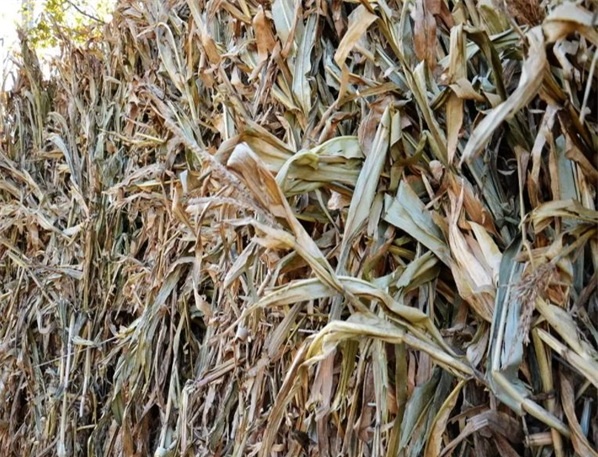
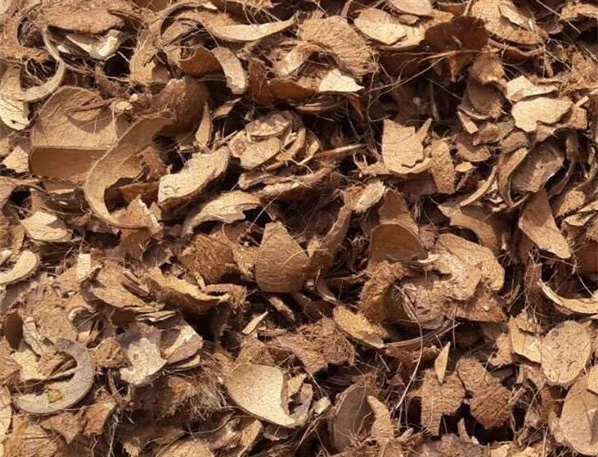
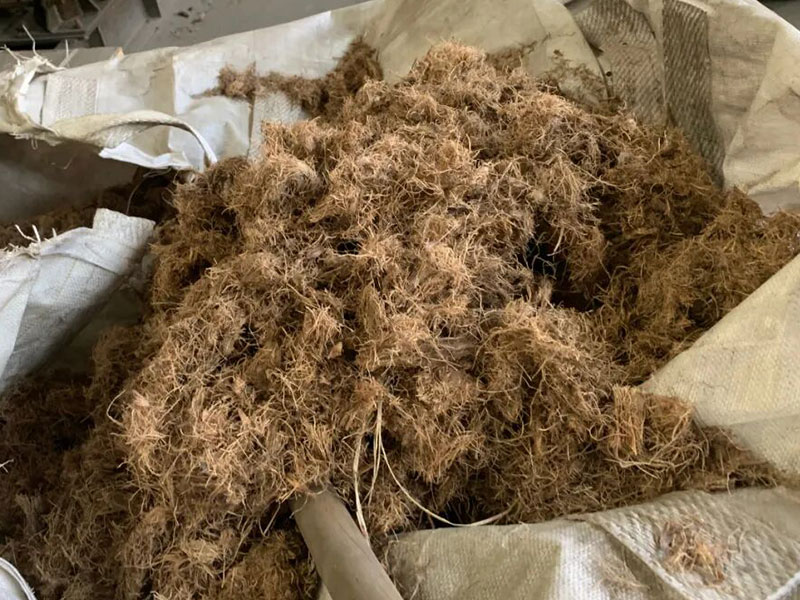
Agricultural and Forestry Residues: Straw, sawdust, rice husks, fruit shells, bamboo chips, tree branches, coconut shells, palm shells, sugarcane bagasse, etc. These abundant feedstocks offer a solution to the pollution problems associated with open burning.
Sludge: Municipal sewage sludge and industrial sludge. Biomass pyrolysis plant significantly reduces volume and weight, and resolves sludge disposal challenges.
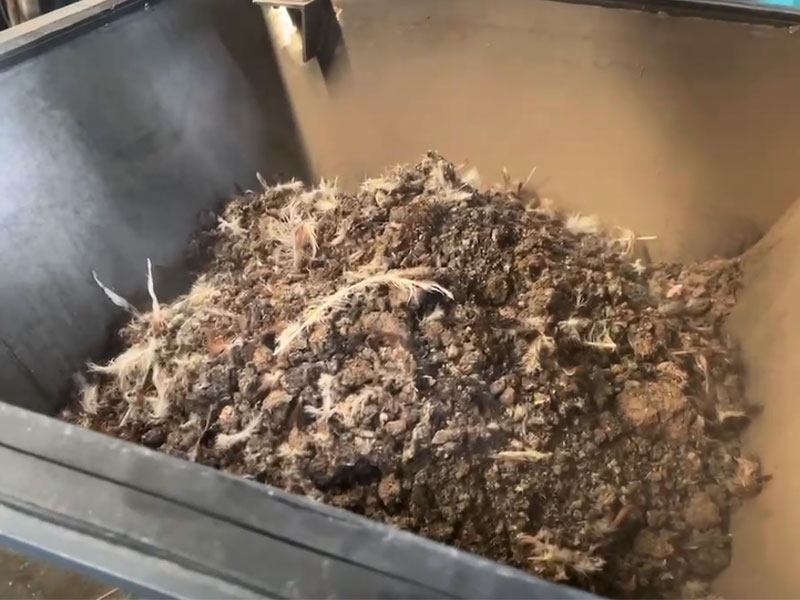
Animal Manure: Livestock and poultry manure (chicken, cattle, and pig manure). Pyrolysis carbonization eliminates pathogens, parasite eggs, and odors, producing biochar for carbon-based organic fertilizer.
Final Products
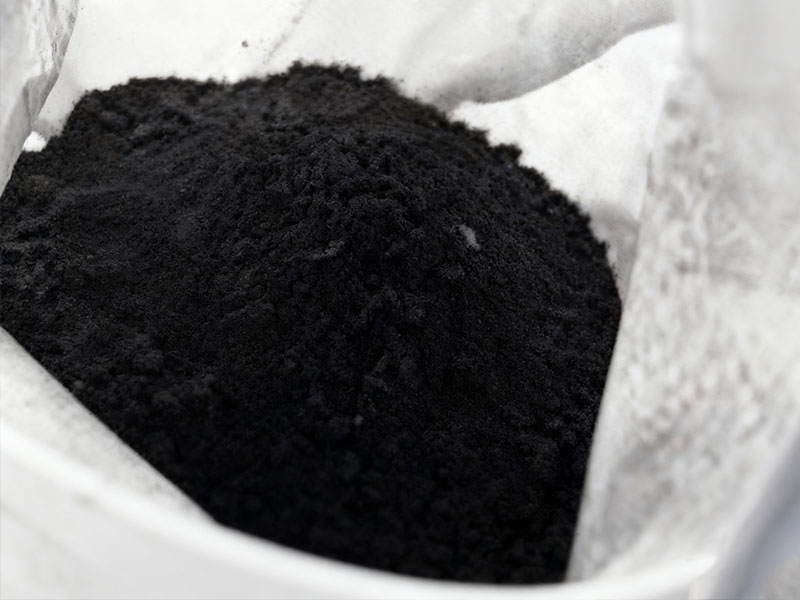
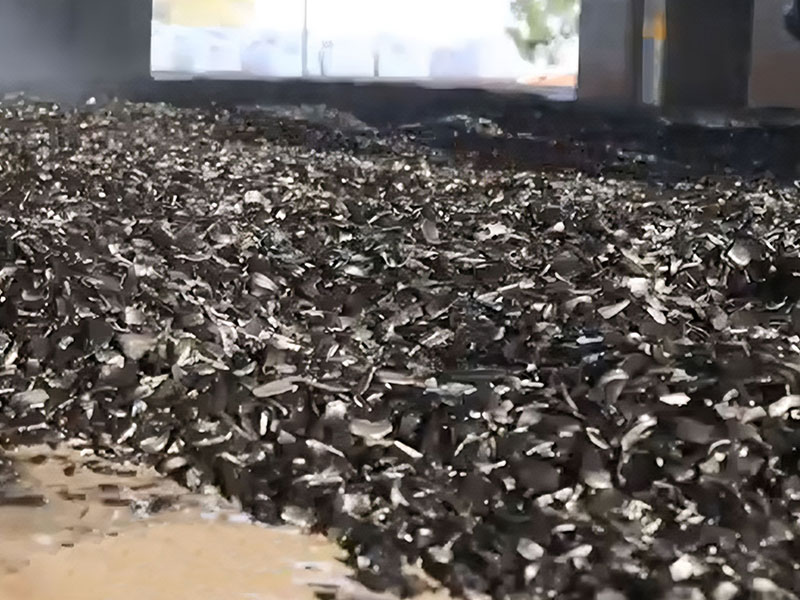
|
Name |
Picture |
Application |
|
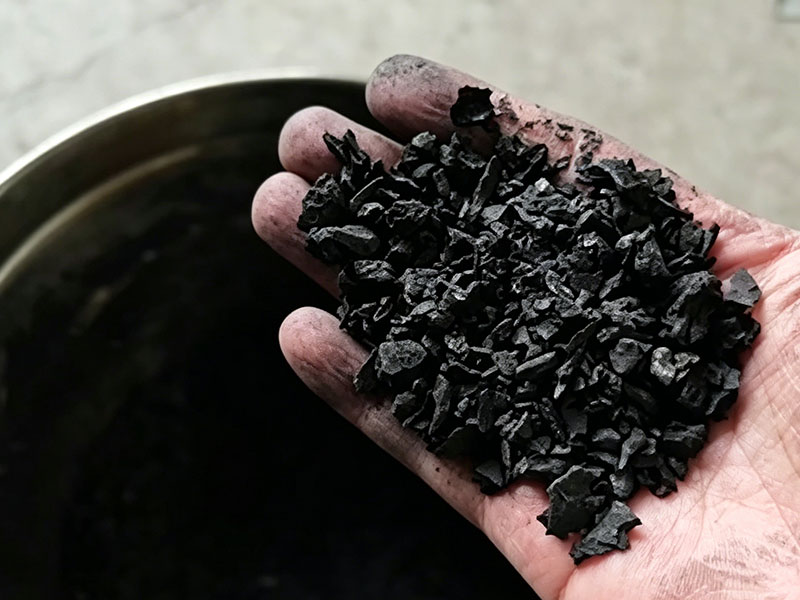
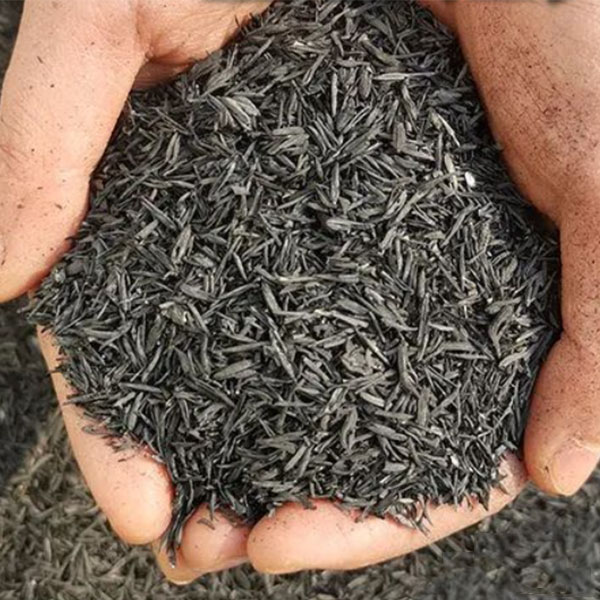
Biochar/ charcoal |
|
Used as soil conditioner, carbon sequestration, improve the quality of soil Used as fuel for industry heating and cooling or BBQ Can be reprocessed into activated carbon, widely used in the smelting, chemical fields. |
|
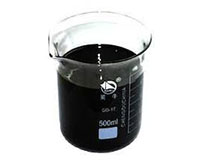
Tar & Wood vinegar |
|
Widely used as a crop insecticide, make leaf surface fertilizer |
|
Syngas |
|
Can be recycled to heat the carbonization host. By this way, you can reduce a lot of fuel costs. |
Flowing Diagram
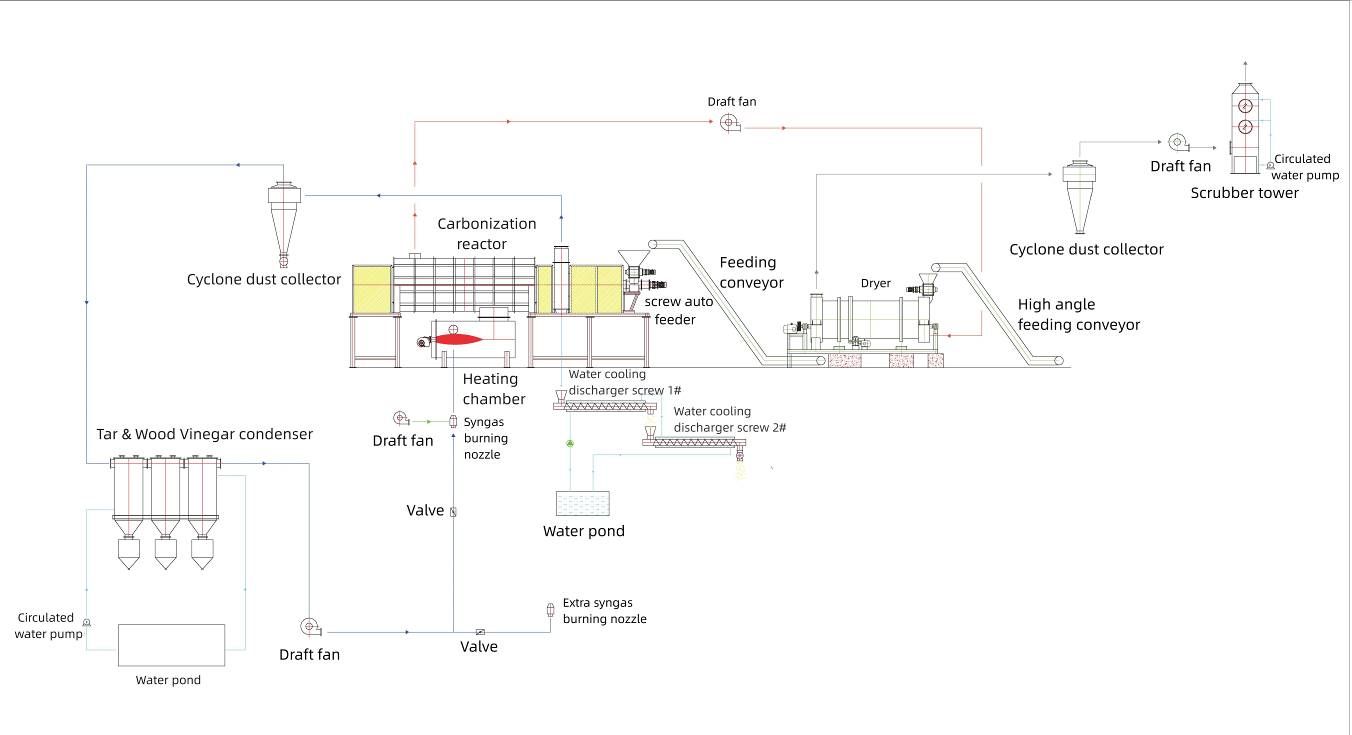
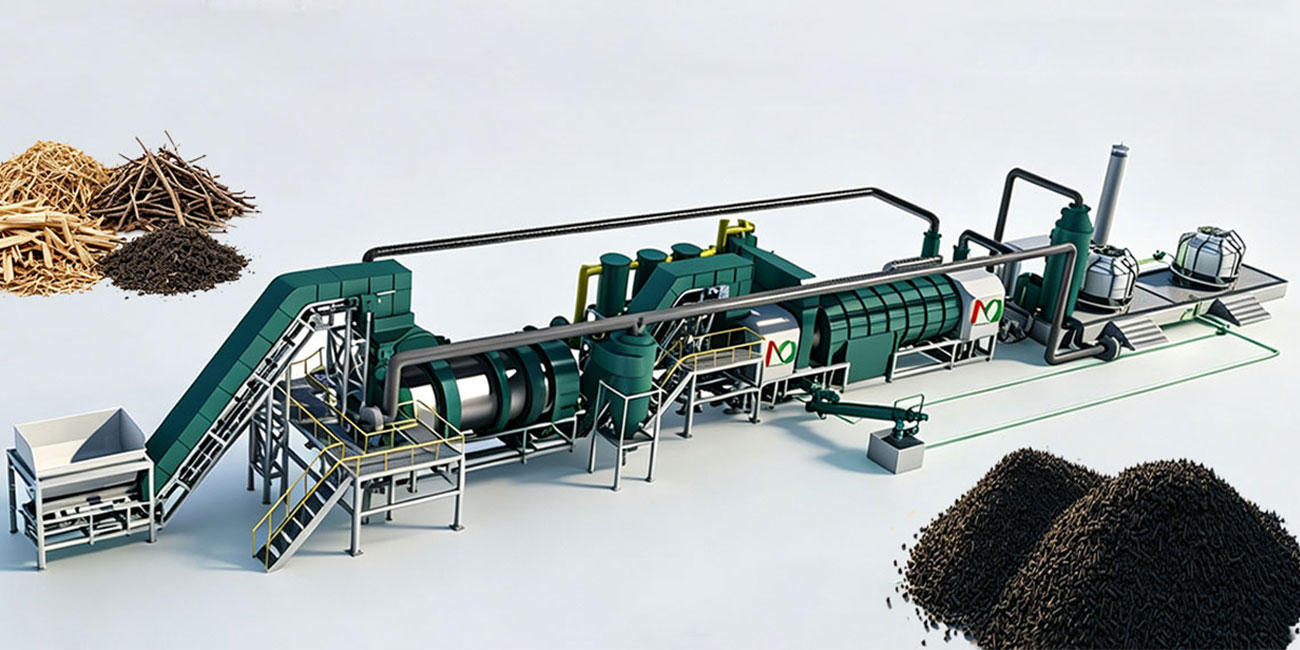
Continuous Biochar Production Process
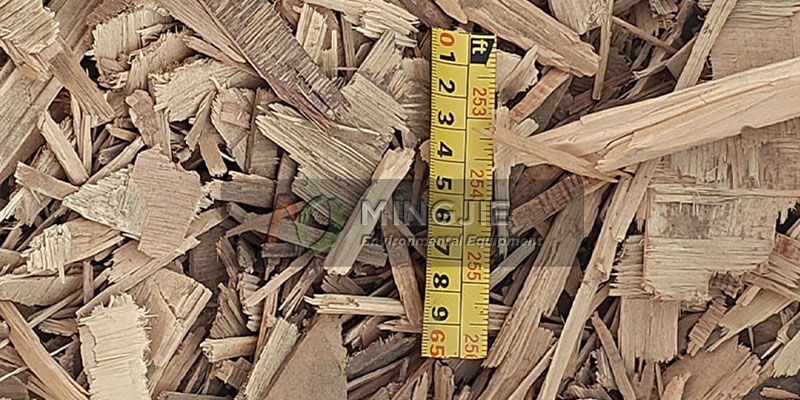
Feedstock Pre-treatment
Biomass feedstocks vary significantly in terms of size and moisture content. Continuous biochar production plant requires feedstock with a particle size of less than 20 mm and a moisture content below 15%. Oversized biomass typically requires crushing to ensure uniform feedstock dimensions, while high-moisture feedstock necessitates the use of drying equipment.
Proper pre-treatment enables the biomass feedstock to enter the carbonization plant more consistently, thereby enhancing the continuity of the overall biochar production process.
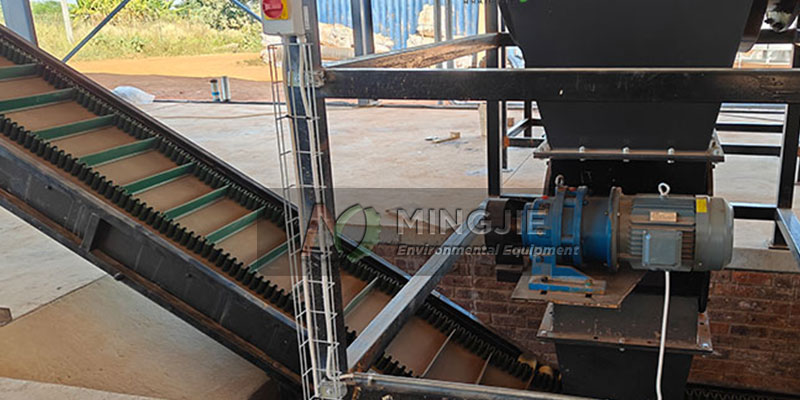
Feedstock Conveying
Continuous and stable feeding is a crucial foundation for the steady operation of a continuous biomass carbonization plant.The dried material is transported via conveyor belt to the feeder.
Conveying equipment can continuously transport pre-treated feedstock to the carbonization zone. For industrial large scale biochar production projects, the uniformity of the feed directly affects the stability of the subsequent biomass carbonization process.
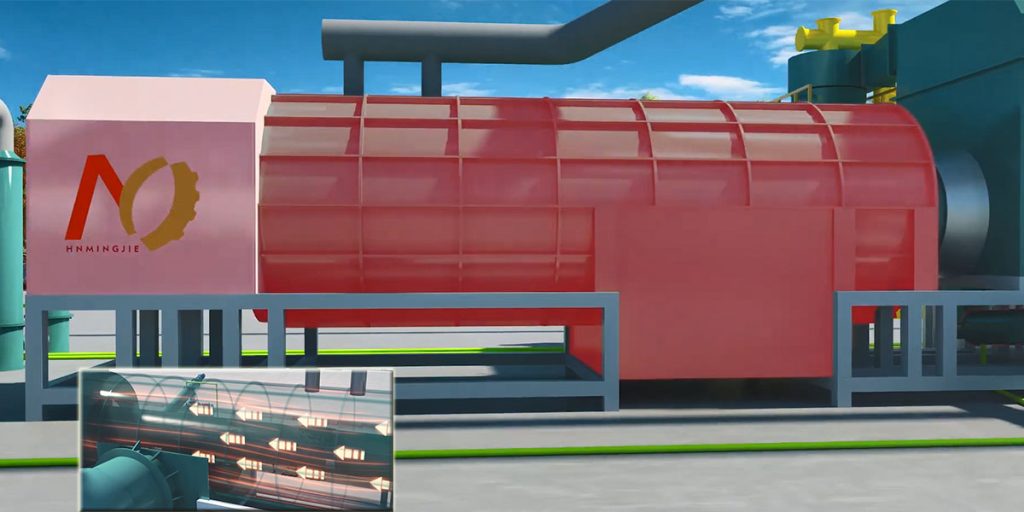
High-Temperature Continuous Carbonization
Once biomass feedstock enters the carbonization equipment, it undergoes pyrolysis and carbonization at a set temperature and residence time. Precisely controlling the pyrolysis and carbonization process ensures greater uniformity in the quality of the resulting biochar.
Biomass feedstocks vary in terms of moisture, density, ash, and volatile matter content. Consequently, operational parameters for the carbonization equipment must be adjusted based on the specific characteristics of the feedstock during actual production.
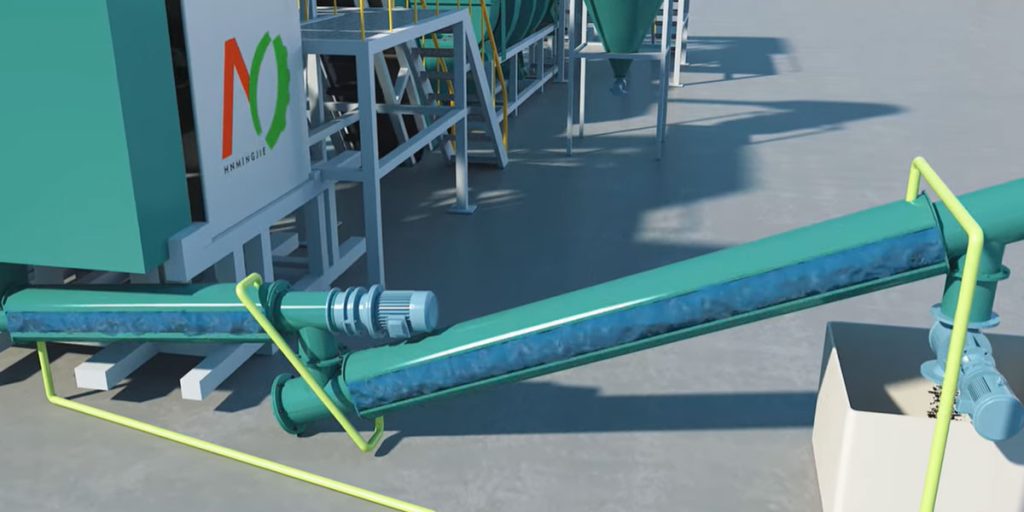
Biochar Cooling and Discharge
Biochar that has just undergone carbonization is typically at a high temperature. Therefore, after discharge, it requires cooling via an appropriate cooling and conveying system. The biochar then proceeds to subsequent stages such as storage, packaging, or further processing.
A well-designed cooling system not only facilitates the collection of the finished product but also enhances the safety of the entire production process.
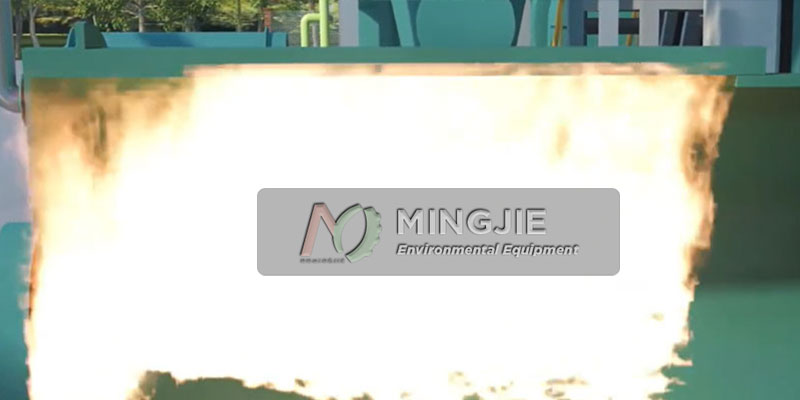
Energy Recovery and Utilization
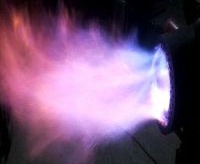
Syngas is generated during the biomass pyrolysis process. It first passes through a cyclone dust removal system for desulfurization and dust removal, then enters a condenser where it is separated into wood vinegar and tar. The remaining syngas is directed to the exterior of the main furnace to heat the carbonization reactor.
A portion of the waste heat flue gas can be used to heat the dryer. The remaining flue gas is discharged after passing through the dust removal system.
Our Advantages
Advantages of Continuous Biochar Production Plant
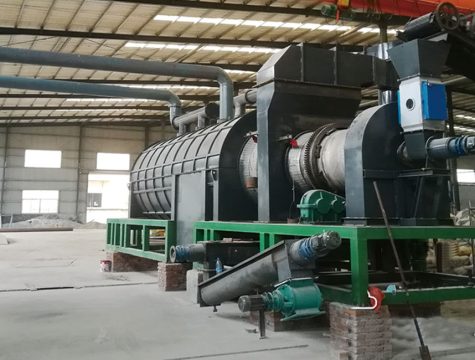
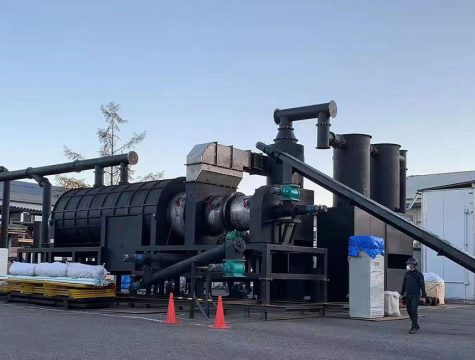
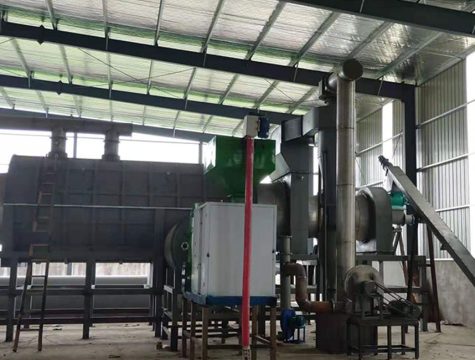
Reactor structure takes dual cylinder type, which has long stroke and can ensure the biomass carbonized completely
Complete Reactor made of 304 stainless steel, which can resist high temperature and give the machine service life much longer
Fully Continuous operation, non-stop running, keep feeding and carbon discharging 24 hours per day, high automation,
The complete line takes modular design, which is easy for transportation and installation, save a lot of installation cost
The machine use it own produced syngas as main fuel during the carbonization, save a lot of energy cost
PLC control system, the process is fully automatic