Continuous pyrolysis of waste tires is far more than a simple "tire-to-oil" technology. It is an industrial system designed for chemical recycling and the circular recovery of all constituent components. The true challenge lies not in the pyrolysis reaction itself, but in several critical areas: stable pretreatment and impurity removal, reliable airtight feeding mechanisms, precise automated control of temperature and negative pressure, comprehensive environmental protection, and the sophisticated post-processing of recovered carbon black.
Against the backdrop of carbon reduction and the circular economy, the value of recovered carbon black (rCB) is increasingly recognized by the market. Continuous pyrolysis plant transforms waste tires—otherwise a source of "black pollution"—into valuable raw materials, including oil, carbon black, and metals. This approach not only addresses the environmental burden of waste tires but also generates stable commercial returns, representing a vital pathway toward the high-quality, resource-efficient utilization of end-of-life tires.
Only by incorporating pre-processing, automation, environmental protection systems, and deep-processing solutions for carbon black into a unified assessment can one establish a safe, stable, compliant, and profitable continuous waste tire pyrolysis production line.
Option A: In-house Pretreatment (Shredding and Granulation)
Fully continuous waste tire pyrolysis systems incorporate a dedicated pretreatment stage. This requires a wider variety and greater number of pieces of equipment, resulting in a higher initial investment. This approach is well-suited for projects with a stable, long-term supply of waste tires and a high daily processing capacity. By maintaining strict quality control over the raw material, operators can achieve better long-term overall returns. However, this option requires a larger footprint and a more substantial operations and maintenance (O&M) team.
Option B: Direct Feeding (Using Pre-processed, Steel-free Rubber Granules)
This approach eliminates the need for on-site shredding and steel removal; it requires only screening and a sealed feeding system. Its advantages include a shorter project construction timeline, simplified O&M, and a lower initial investment. Potential risks include an unstable supply of rubber granules, price volatility, and the possibility of excessive residual steel wire within the feedstock.
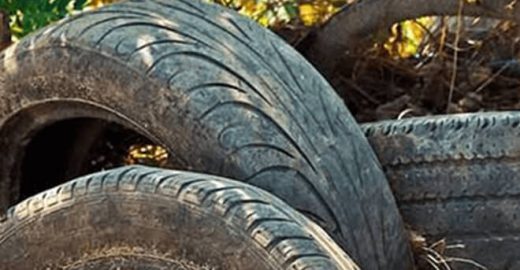
An Australian general waste and tire recycling authoritative body turned to Environment Minister Sussan Ley in November last year with a request to prohibit whole bale tire…
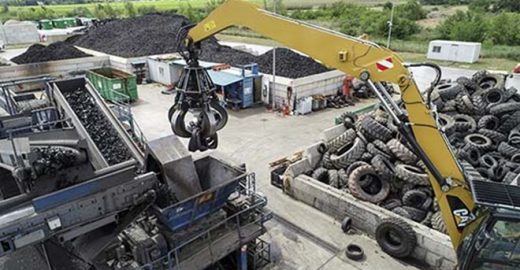
Aliapur – a French end-of-life tire management authority – recently announced a call for applications to participate in a tender to renew end-of-life tire collection and recycling contacts for 2021–2024..