Plastic pyrolysis, as a core technology in chemical recycling, is moving from the laboratory to large-scale applications. The cost of plastic pyrolysis plant varies significantly depending on pyrolysis oil production scale, technological approach, and level of automation.
The selection of technology has a significant influence on capital expenditure as well as operational efficiency. The advanced continuous pyrolysis technology requires a higher capital investment but also offers the best economic returns. The capital expenditure is largely dependent on the reactor design, level of automation. the capacity of the plant.
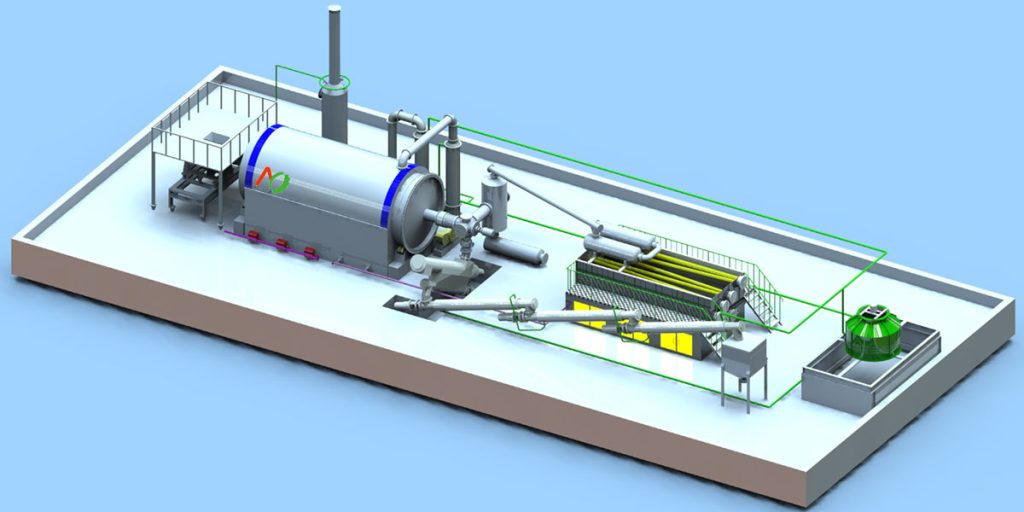
A plastic pyrolysis plant mainly includes pyrolysis reactor, condensation system, oil-gas separation unit, slag discharge system, and control system.
From a process type perspective, batch reactors have a simple structure and the lowest cost, making them suitable for small-scale, scattered processing scenarios.
Semi-continuous reactors optimize the feeding and slag discharge process, with moderate equipment costs, making them the mainstream choice for small and medium-sized projects.
Fully automated continuous reactors operate in a closed-loop system, requiring high-temperature and corrosion-resistant materials. Fully continuous pyrolysis equipment has a complex structure and high integration, significantly increasing costs. However, it offers advantages such as stable production capacity, low labor costs, and high safety.
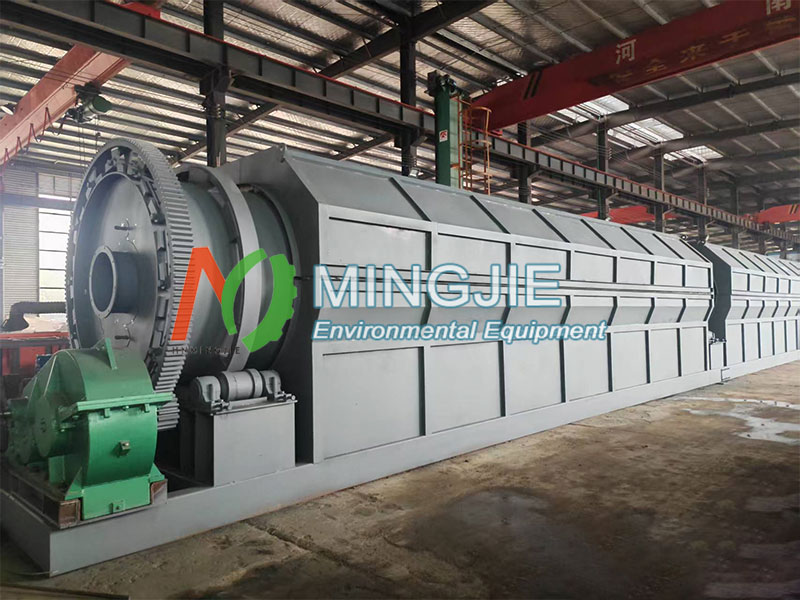
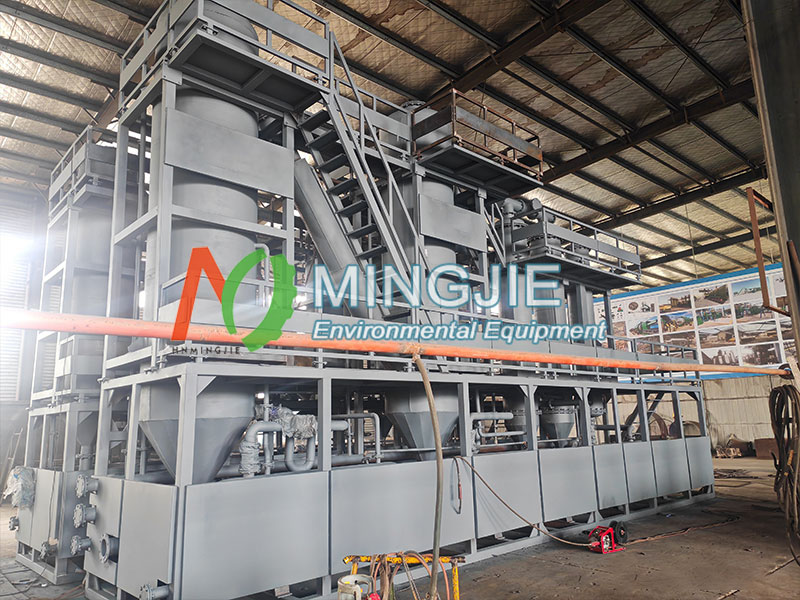
Pre-treatment equipment required for continuous pyrolysis plants, such as plastic sorting machines and plastic crushers. Meanwhile, the cost of environmental protection equipment such as desulfurization, denitrification, dust removal, and VOCs treatment continues to rise. This is a necessary expenditure for compliant plastic pyrolysis projects.
Based on plastic pyrolysis equipment type and daily processing capacity, the equipment costs of plastic pyrolysis plants can be broadly categorized into three tiers.
Small-scale cost of batch pyrolysis plants between $50,000 and $300,000. Medium-sized semi-continuous plastic pyrolysis plants cost approximately $500,000 to $2 million. Large-scale continuous pyrolysis plants cost over $5 million to $20 million.
The Location Selection is a very important factor which affects the capital and running cost of the project. By selecting the locations close to the source of the plastic waste will help in reducing the transportation cost. The availability of electric, water. gas facilities in the location of project affects the investment required for the infrastructure facilities in the project. The industrial location which is required for the implementation of recycling plant must be approved by local municipalities. should not cause any problem with the local residents.
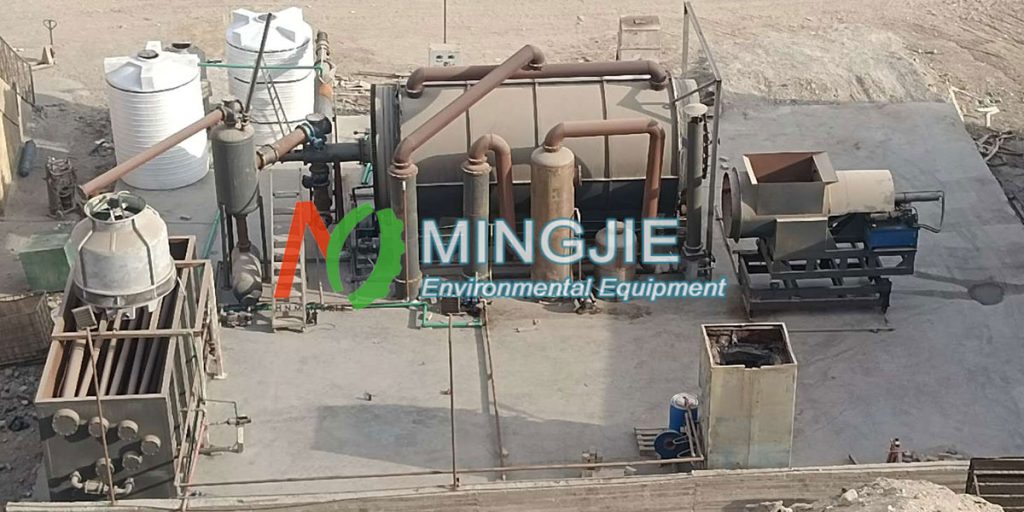
Environmental regulations play a significant role in project design and contribute substantially to capital costs. Engineers must implement stormwater run-off and structural noise abatement measures to reduce operational noise impacts on local residents. Air emission control systems are installed to meet specific particulate and gas emission standards. Wastewater treatment systems are designed to effectively manage all process water.
Permitting processes require comprehensive environmental impact assessments and engineering studies. Legal compliance costs include permit fees, consultant services, and ongoing monitoring requirements. Environmental protection measures represent 15-25% of total project investment. Regular audits and reporting ensure continued regulatory compliance throughout plant operation.
Labour costs vary with the degree of automation at plastic pyrolysis recycling plant and with local wage rates. Highly skilled staff, such as operators. are needed to operate the process control systems and to carry out the required maintenance. Utilities like electricity and cooling water are costly items. The price of the feedstock also varies greatly depending on the availability of plastic waste and current market prices.
Preventive maintenance planning helps to minimize unscheduled downtime and repair costs. Routine equipment checks are an excellent way of nipping potential problems in the bud before a major failure occurs. An adequate level of spare parts in stock can also ensure that any repairs are carried out quickly. Regular maintenance contracts with suppliers can also provide invaluable access to technical information and provide warranty protection. Properly planned and executed maintenance can also add years of effective service to assets and at the same time, improve process efficiency.
The typical bank loan is used to finance the core operations of the established business of financially strong companies. The typical method of financing the purchase of equipment is through equipment financing. Project financing is a financing method used to finance large infrastructure projects by involving a variety of funders and by spreading risks and rewards amongst them.
Government incentives significantly reduce project costs through the provision of grants, tax credits, and low-cost subsidized financing. other emerging alternative energy sources such as biomass to gasoline refineries. Environmental improvement grants are also available for waste reduction. pollution control technologies as well as financing for energy from waste projects. Projects may also be eligible to benefit from new carbon credit markets which can provide an additional source of revenue as a result of carbon reductions achieved by successful projects. The impact of these incentives can potentially reduce the real effective cost of a project by as much as 20-40%.
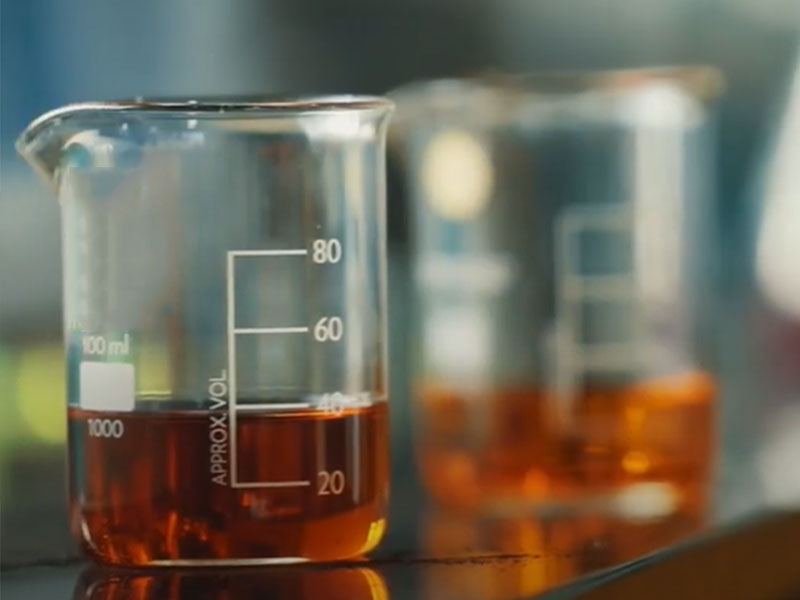
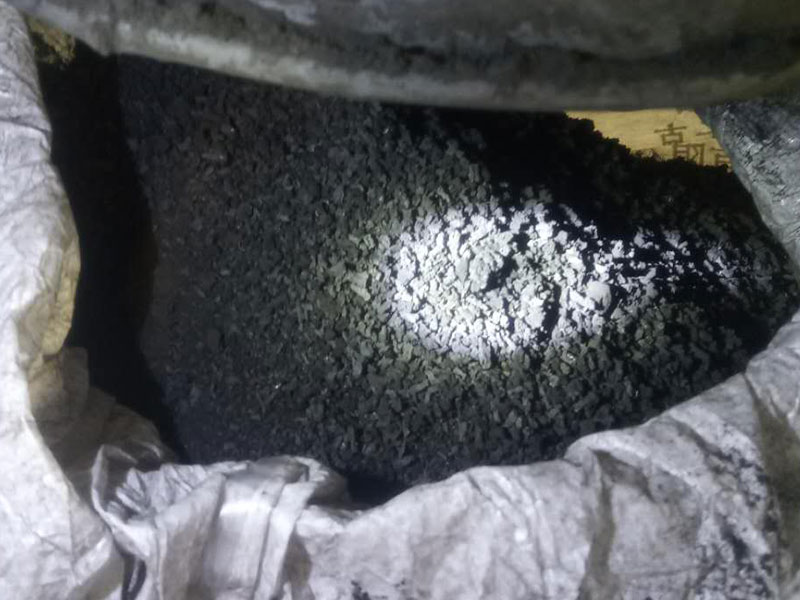
Pyrolysis oil from plastic pyrolysis is traded on the high-value energy markets. The pyrolysis plant uses syngas as a heating fuel for its own operations, and any surplus is sold on the external market. Carbon black, a by-product, is mainly supplied to the rubber industry and used as an additive for plastics. The waste acceptance fee is yet another source of income.
Typical investment payback periods for a pyrolysis plant ranges from 3 to 7 years depending on the plant size. Larger continuous pyrolysis plants achieve higher economies of scale and hence shorter payback periods. The demand for alternative fuel sources. the associated prices of the products derived from waste ensures profitable sales. Improvements in plant operation and efficiency through control systems and optimisation also result in shorter payback periods.
Advanced reactor designs are expected to offer increased thermal efficiency and lower capital costs per unit of capacity. Modular construction techniques will allow for quicker assembly and startup of new plants. Advanced automation systems will help to reduce labor requirements and provide more reliable process and safe plant operation. Recycled materials are in demand which boosts the value of plastic pyrolysis products.

An Australian general waste and tire recycling authoritative body turned to Environment Minister Sussan Ley in November last year with a request to prohibit whole bale tire…
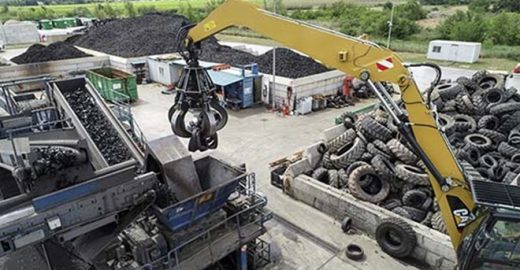
Aliapur – a French end-of-life tire management authority – recently announced a call for applications to participate in a tender to renew end-of-life tire collection and recycling contacts for 2021–2024..