· Product: MJ-15 pyrolysis plant
· Country: Vietnam
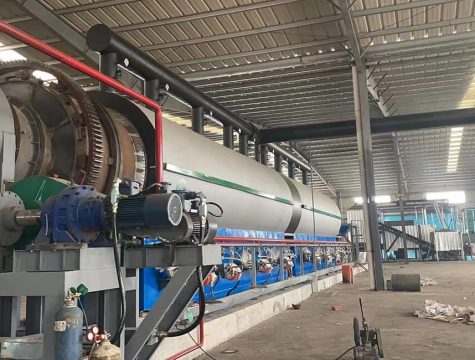
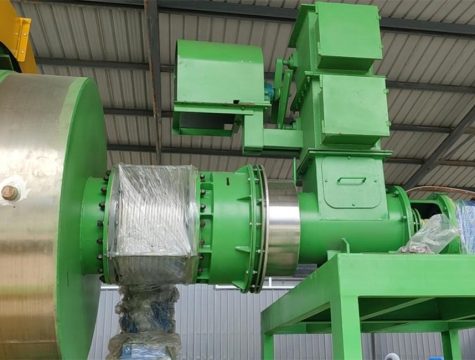
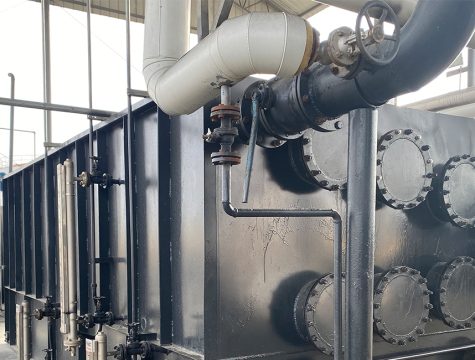
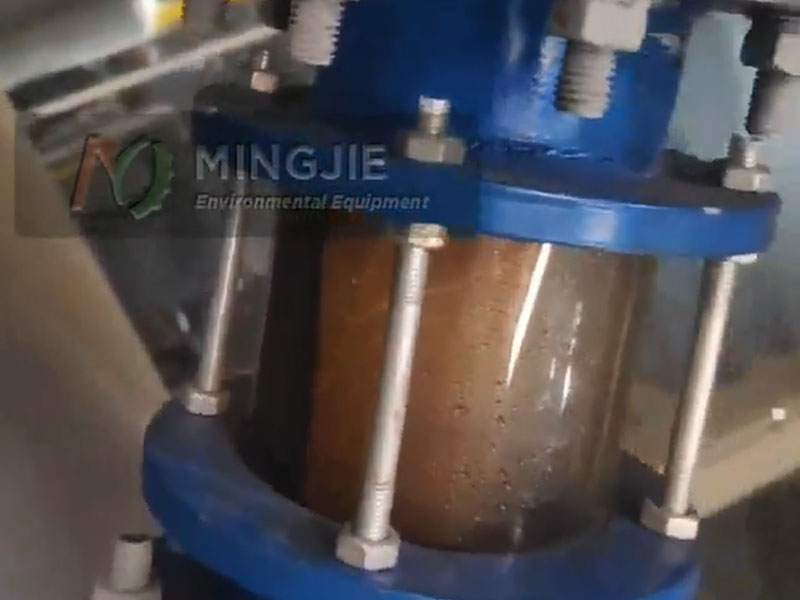
In mid-April 2026, Mingjie Group completed the installation of the MJ-15 plastic pyrolysis plant in Vietnam. After commissioning by technicians, the pyrolysis equipment successfully extracted fuel oil from waste plastic. Plastic pyrolysis equipment can process various types of waste plastics. It converts them into high-value-added products such as fuel oil, syngas, and carbon black through thermochemical processes.
Below are photos of the MJ-15 plastic pyrolysis plant installed on-site in Vietnam.
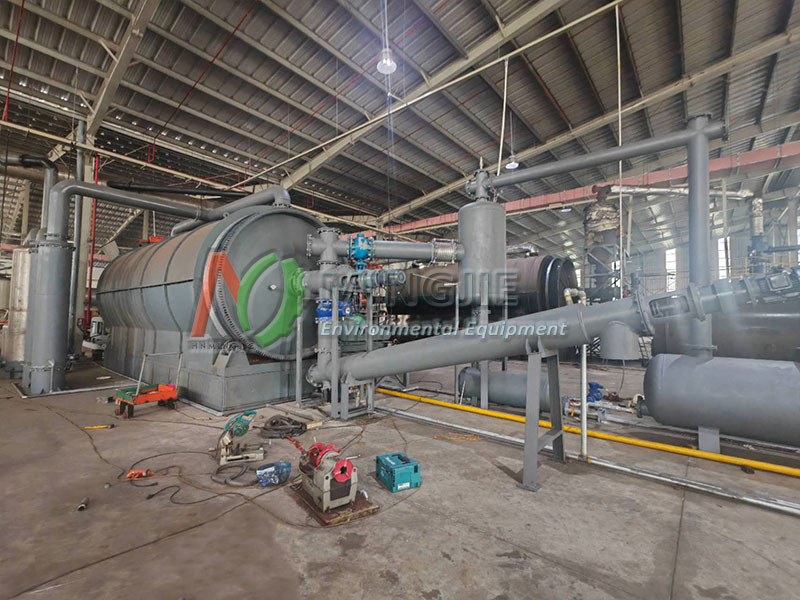
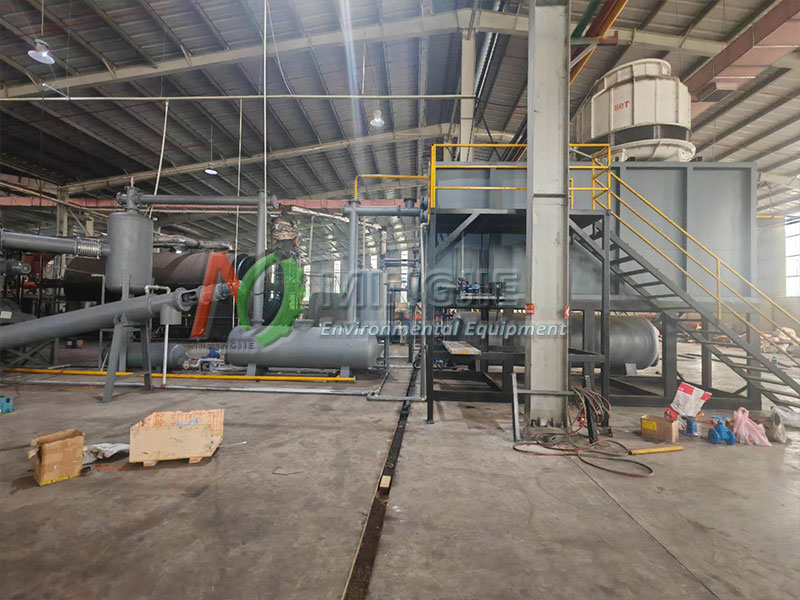
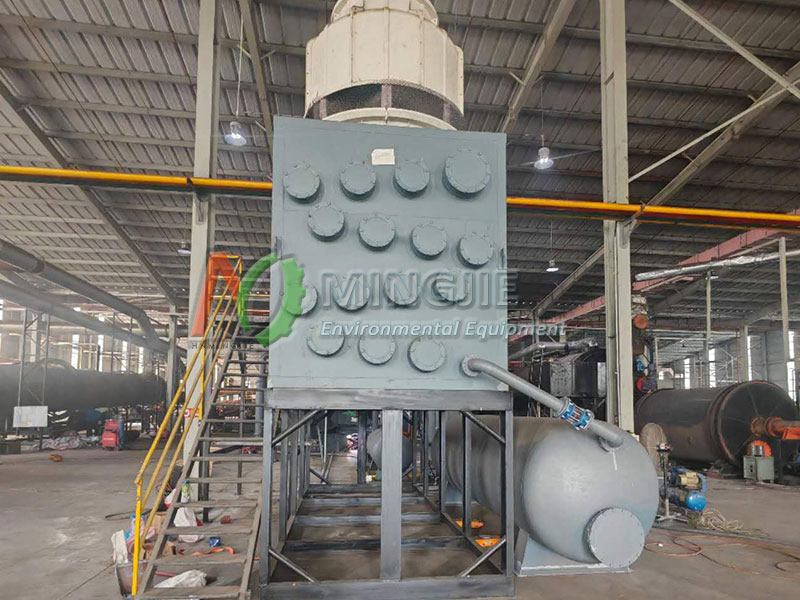
The plastic pyrolysis plant in Vietnam mainly includes a pyrolysis reactor, heating system, condensation system, oil-gas separation system, tail gas purification system, and electrical control system. Its installation and commissioning parameters directly determine the safety and oil yield of the plastic pyrolysis oil production line.
Plastics suitable for pyrolysis equipment are typically hydrocarbons. The plastic pyrolysis process is in an oxygen-free or low-oxygen environment, producing high-quality fuel oil and combustible gases.
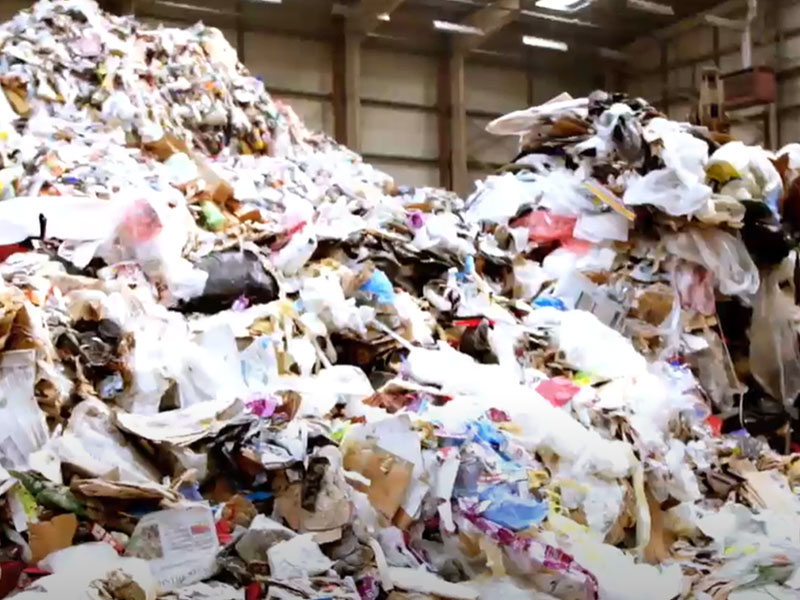
Polyethylene (PE): Including low-density polyethylene (LDPE) and high-density polyethylene (HDPE), it is one of the most common raw materials for plastic pyrolysis, with a high oil yield. Polyethylene Pyrolysis Material mainly include plastic bags, films, bottles, shampoo bottles, milk cartons, etc.
Polypropylene (PP): High oil yield, making it an ideal raw material. Sources of Polypropylene Pyrolysis mainly include disposable tableware, food containers, bottle caps, car bumpers, etc.
Polystyrene (PS): Pyrolysis products selectively produce styrene, possessing specific industrial value. Polystyrene Pyrolysis can dispose foam cups, takeout containers (foam boxes), electronic product casings, etc.
Acrylonitrile-butadiene-styrene (ABS): High oil yield, suitable for producing plastic pyrolysis oil. Sources include engineering plastics such as computer casings and appliance casings.
Polyvinyl Chloride (PVC): The difficulty in handling it lies in its high chlorine (Cl) content. Pyrolysis produces hydrogen chloride (HCl) gas, which corrodes equipment. Pyrolysis Of PVC can react with certain substances to form highly toxic dioxins, harming the environment.
Polyethylene Terephthalate (PET): Due to its molecular structure, it produces very little oil during pyrolysis. PET pyrolysis will release oxygen, potentially posing safety hazards.
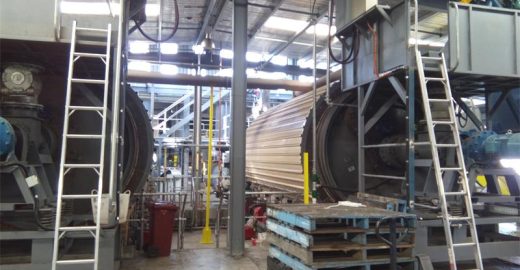
· Product: semi-continuous waste tires pyrolysis plant
· Country: Australia
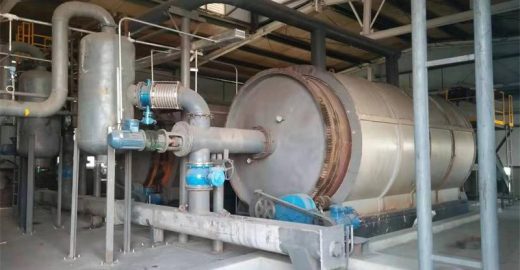
· Nissan: daily capacity 30T
· Country: Lebanon