Biochar is an important nature-based negative emission solution in carbon dioxide removal (CDR) technology. Large scale biochar production equipment converts carbon in biomass into highly stable solid carbon through pyrolysis carbonization. Applying biochar to soil can achieve long-term carbon sequestration and net negative emissions of carbon dioxide into the atmosphere.
Currently, the global certified annual production of biochar is only about 350,000 tons, which is far from meeting the market demand of trillions of tons of solid waste resources and massive carbon removal. Standardized and large scale biochar production systems have become the core breakthrough for industry development. Large scale biochar production lines can simultaneously achieve three major goals: solid waste disposal, long-term carbon sequestration, and soil improvement. It is a negative carbon industry with environmental, agricultural, and economic value.
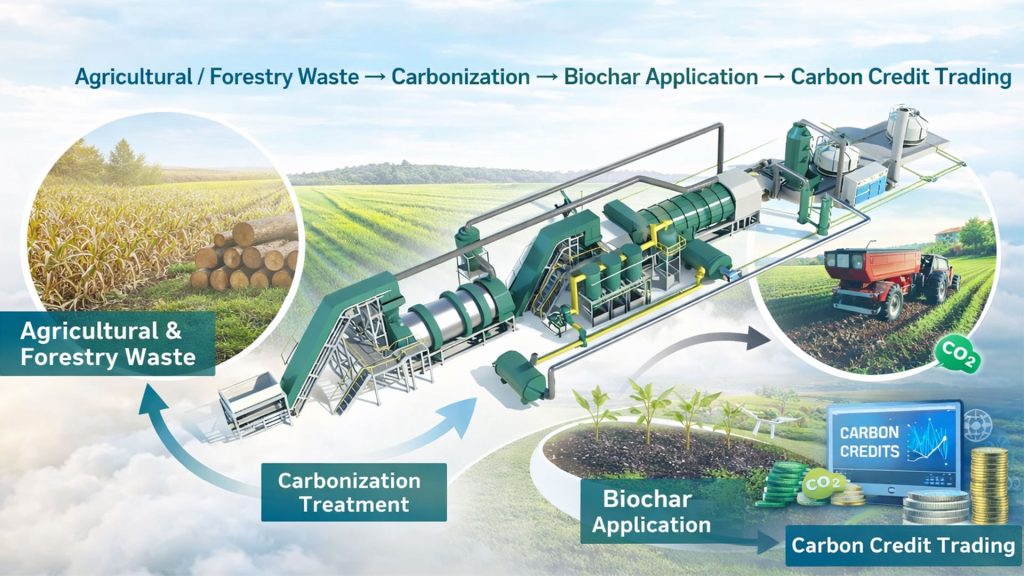
The industrialized continuous biochar production line differs from traditional intermittent earthen kilns and small-scale hanging carbonization furnaces. It consists of multiple systems, forming a fully closed-loop automated system encompassing raw material pretreatment, continuous pyrolysis carbonization, flue gas recycling, product collection, and tail gas purification. The entire biomass pyrolysis process is completely closed, achieving an energy self-sufficiency rate of over 90%.
The crushing and drying system processes the raw materials, pulverizing them into 5-20mm particles and reducing the moisture content to below 15%. Mingjie Biomass Carbonization Plant can process waste biomass such as sawdust, straw, rice husks, bamboo shavings, garden branches, and municipal sludge.
Large scale biochar production lines use a continuous rotary reactor as their core equipment, with a biomass processing capacity of 10-100T/D. It primarily employs a slow, low-temperature pyrolysis method, making the biochar products ideal for soil improvement and carbon sequestration. Pyrolysis gas is recovered and burned to supply heat to the reactor, achieving energy self-circulation.
After biomass pyrolysis, the high-temperature biochar is cooled and discharged through a water-cooled spiral system to prevent reignition and oxidation.
Large scale biochar production equipment is equipped with integrated pyrolysis gas recovery, desulfurization, and dust removal devices. This eliminates tar and soot pollution at the source, achieving ultra-low emissions standards.
Compared to traditional small-scale biochar kilns, large scale continuous biochar production equipment offers significant advantages. It features high automation, stable biochar quality, controllable pollution, and recyclable byproduct.
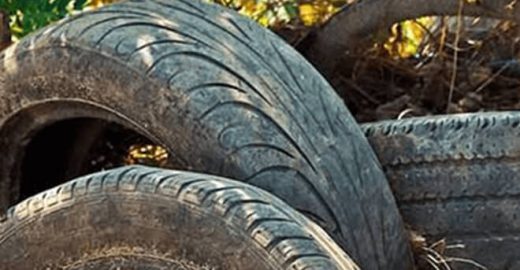
An Australian general waste and tire recycling authoritative body turned to Environment Minister Sussan Ley in November last year with a request to prohibit whole bale tire…
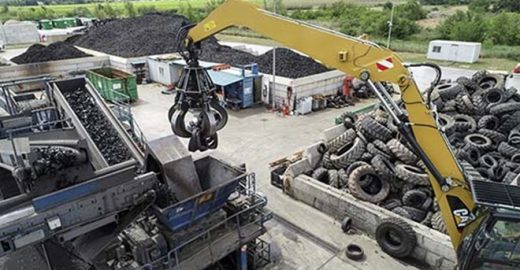
Aliapur – a French end-of-life tire management authority – recently announced a call for applications to participate in a tender to renew end-of-life tire collection and recycling contacts for 2021–2024..