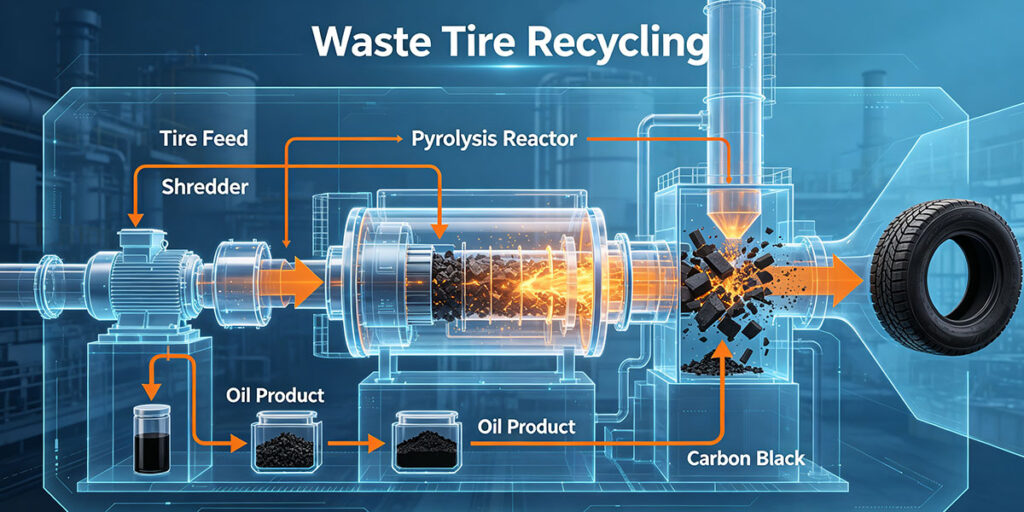
Every year, hundreds of millions of tons of automotive tires reach the end of their service life globally. These polymer-based rubber products take centuries to degrade naturally, and improper disposal leads to "black pollution." However, waste tires are also a valuable recyclable resource. Waste tire recycling typically involves physical shredding and thermochemical processes (pyrolysis), which transforms waste tires into a range of high-value products.
Mechanical shredding is the most fundamental and widely used method for waste tire recycling. It relies entirely on physical separation processes such as shearing, shredding, magnetic separation, and air classification. The chemical structure of the rubber remains unchanged throughout this recycling process.
After the steel wire is removed, waste tires are shredded into granules ranging from 3 to 50 mm in size. These granules are used for synthetic running tracks, basketball courts, infill for artificial turf on soccer fields, and cushioning layers for fitness trails. Additionally, they are used to manufacture rubber paving tiles, non-slip surfaces for residential areas, and shock-absorbing underlays.
Rubber granules are further ground into ultra-fine powder (80–200 mesh). This powder can be directly blended into asphalt to produce modified asphalt pavement or used to manufacture new rubber, plastic, and waterproofing materials.
The internal steel wire layers are completely separated through magnetic separation. These wires are sent to steel mills for smelting and reprocessing into steel products, rebar, and metal components.
Internal nylon and polyester cords are separated via air classification. The recovered fibers can be processed into recycled plastics, filler fibers, and industrial filtration fabrics.
Waste tire pyrolysis plant utilizes an oxygen-free, high-temperature process to decompose whole tires, enabling the resource recovery of all components. This is a high-end recycling solution advocated by the circular economy, yielding pyrolysis oil, carbon black, steel wire, and syngas.
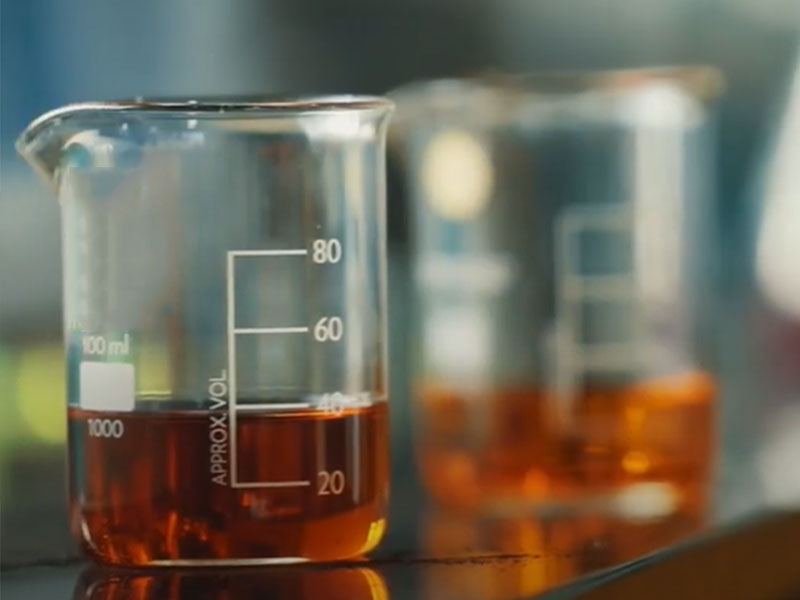
Hydrocarbons within the tire rubber are converted into a liquid fuel with a calorific value comparable to diesel. Tire pyrolysis oil can be used directly as a supplementary fuel for industrial boilers, ceramic kilns, thermal power plants, and marine vessels. After deep refining, it can partially substitute for diesel fuel used in heavy machinery.
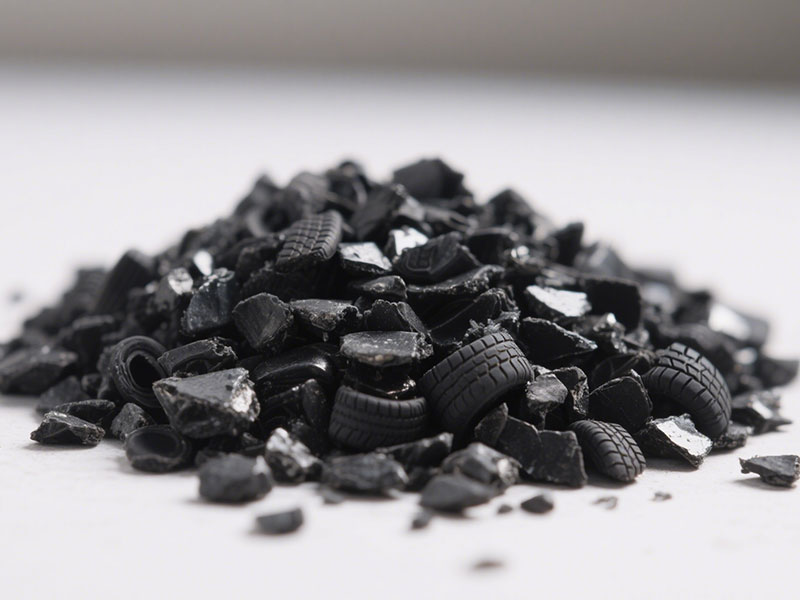
The primary solid product derived from the pyrolysis of waste tires. After further processing, it can serve as a substitute for petroleum-based virgin carbon black in the manufacture of new tires, rubber seals, inks, coatings, and plastic fillers.
A light, combustible gas generated during tire pyrolysis process. After undergoing desulfurization and purification, it is fed directly back into the pyrolysis furnace to provide heat through combustion. This enables energy self-sufficiency for the tire pyrolysis production line, thereby reducing energy consumption and carbon emissions.
An Australian general waste and tire recycling authoritative body turned to Environment Minister Sussan Ley in November last year with a request to prohibit whole bale tire…
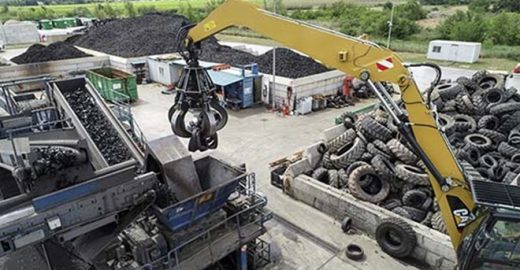
Aliapur – a French end-of-life tire management authority – recently announced a call for applications to participate in a tender to renew end-of-life tire collection and recycling contacts for 2021–2024..