In the past, the plastic pyrolysis industry primarily focused on converting waste plastic into fuel oil. The industry is now shifting toward chemical recycling, the high-value utilization of pyrolysis oil, and large-scale continuous production. Fully continuous plastic pyrolysis plant represents the most viable pathway for the industrial-scale chemical recycling of waste plastics.
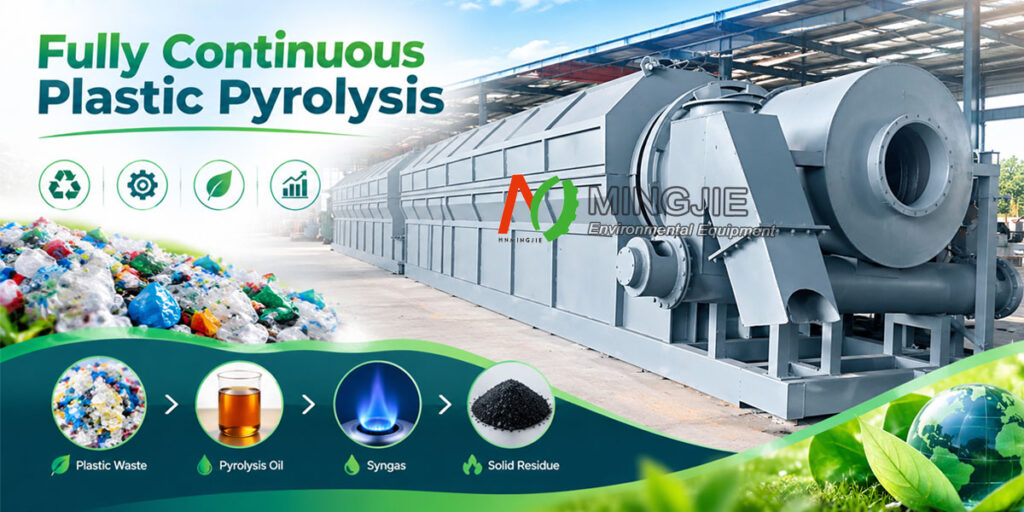
This system continuously conveys shredded and pre-treated plastic into the pyrolysis reactor, ensuring a stable feed rate while utilizing a sealed structure to minimize air ingress. A combination of material seals and airlocks excludes oxygen, maintaining an oxygen-free, slightly negative-pressure environment within the continuous pyrolysis reactor. Achieving stable, continuous feeding is a key technical challenge that distinguishes this process from batch-type pyrolysis.
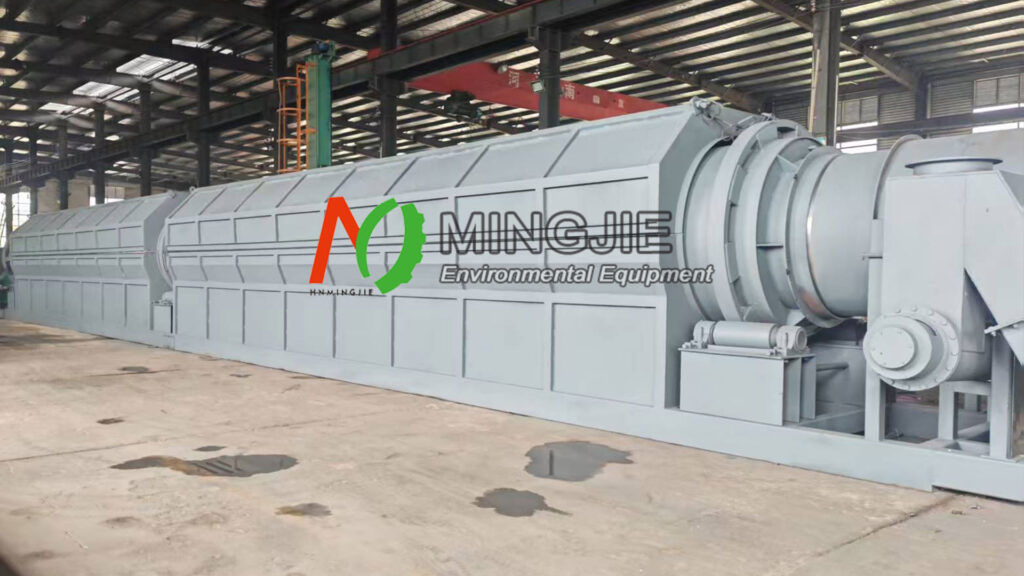
The core component of a fully continuous pyrolysis plant. Through indirect heating, waste plastic undergoes thermal decomposition (pyrolysis) within a sealed, oxygen-deficient environment. The Fully Continuous Plastic Pyrolysis system is designed for self-sustaining heat supply, primarily using the generated syngas as fuel, with natural gas or diesel used only for initial startup and ignition.
This system cools the high-temperature pyrolysis vapors, separating condensable liquids from non-condensable gases.
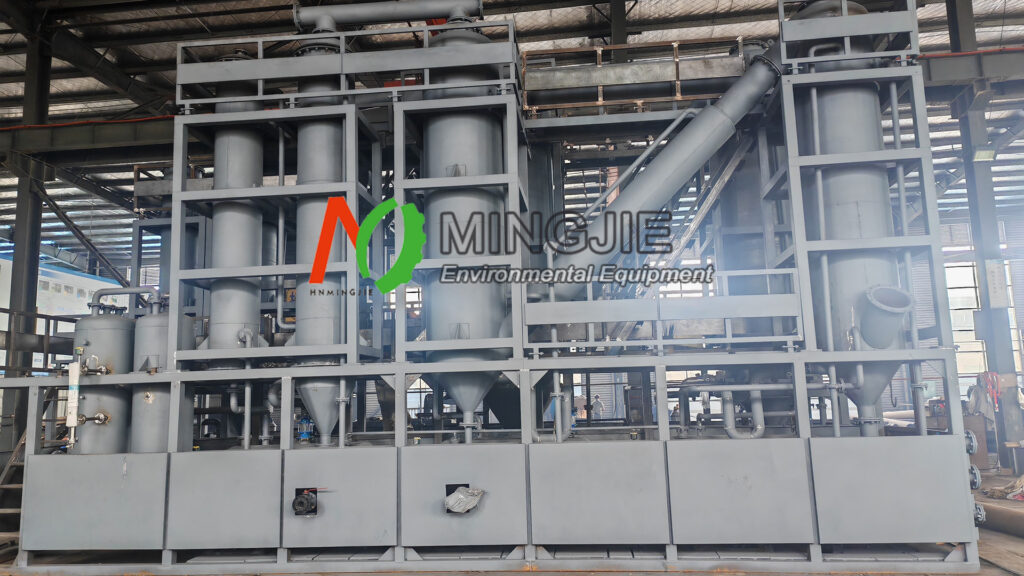
After impurities are removed, the purified syngas is routed back to the heating furnace to serve as fuel.
This system collects and stores the pyrolysis oil, preparing it for subsequent upgrading, processing, or compliant utilization.
Solid residues remaining after pyrolysis are continuously removed via a sealed screw conveyor. This continuous, airtight discharge process includes rapid cooling to prevent re-ignition caused by oxygen exposure. The resulting carbonaceous residue can serve as a feedstock for recovered carbon black (rCB), with the entire process designed to prevent dust emissions.
This system provides cooling for the condensers and the residue discharge cooler through independent, indirect heat exchange. It minimizes direct contact between process water and oil/gas, thereby reducing wastewater generation.
This system monitors temperature, pressure, feed rates, gas flow, and equipment operational status. It also incorporates exhaust gas purification, pressure relief mechanisms, and safety interlock systems.
An Australian general waste and tire recycling authoritative body turned to Environment Minister Sussan Ley in November last year with a request to prohibit whole bale tire…
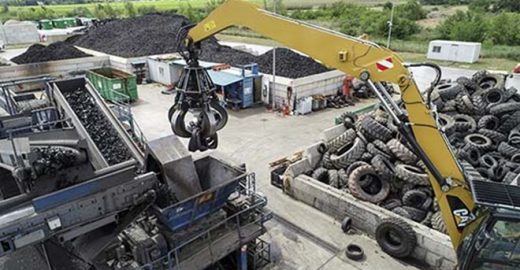
Aliapur – a French end-of-life tire management authority – recently announced a call for applications to participate in a tender to renew end-of-life tire collection and recycling contacts for 2021–2024..