Traditional ways of making charcoal by burning biomass in the open or using slow moving kilns are no longer needed using new pyrolysis technology. Pyrolysis involves the thermal decomposition of certain input materials from a temperature range of about 400-800°C in an oxygen deficient atmosphere. Bio – Wood pyrolysis plant helps in heating the feedstock in a highly controlled manner in the absence of an oxygen supply thereby prevents it from burning.
Stage 1: Drying
The pyrolysis process begins with drying, where engineers reduce the moisture content in the biomass feedstock. This step ensures high thermal efficiency in the subsequent stages.
Stage 2: Pyrolysis
As the moisture content decreases, the biomass undergoes thermal decomposition. Complex organic compounds in the feedstock break down and convert into gases and solid small-molecule substances.. The final carbonization stage results in the production of high-quality biochar.
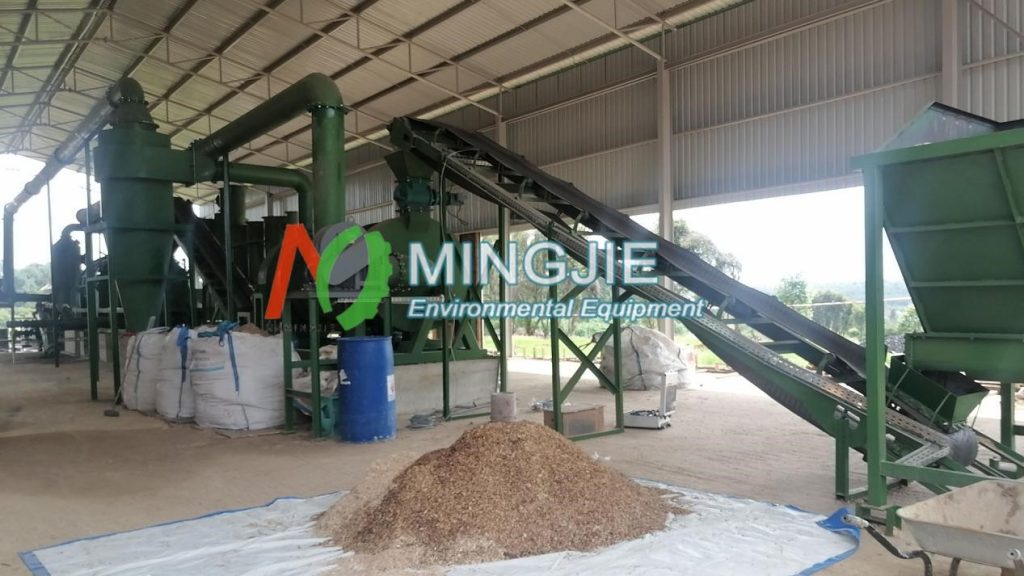
In general, most charcoal producers rely heavily on the traditional open air wooden burning method, or sometimes using some basic kilns. Most of the material are simply burnt away with no any effective use. The resulting charcoal produced by traditional method is quite irregular in both quality and quantities. In addition, such traditional methods have a negative impact on the atmosphere. By using wood charcoal making machine, it is possible to overcome the above-mentioned drawbacks.
Pyrolysis has a very high environmental benefit. By utilizing a closed system in which combustible gases are used, it reduces air pollution by strictly controlling the combustion process. Therefore it contributes to a reduction in the amount of carbon emissions released into the atmosphere.
Modern wood pyrolysis plant is equipped with advanced machineries and systems. The main part is the reactor. The heating system raises the material to the required temperature for the pyrolysis process. The gas cleaning system purifies the waste gases generated during pyrolysis.
Wood charcoal making machine is a key factor affecting the efficiency of production. The carbonization reactor optimizes heat transfer and processing efficiency for automatic, efficient production. The highly automated feeding system ensures consistent material input. Additionally, the temperature control system optimizes the pyrolysis process for the best conditions.
Automation provides numerous benefits to the plant operation and performance. Control systems give a ‘bigger picture’ view of process conditions. allow them to be tracked and monitored on a real-time basis. Automation of material handling functions also reduces labor intensity and costs. Real time condition monitoring helps prevent mechanical failures and associated downtime.
Our wood pyrolysis plants give you much more charcoal than with other technologies and of a much higher quality. At our disposal is a wide range of state-of-the-art reactors, which enable us to achieve conversion rates of over 25-30%. Consistent temperature conditions over the entire length of the reactor ensure homogeneous charcoal properties. a high carbon content – all of which result in a better quality of the fuel product.
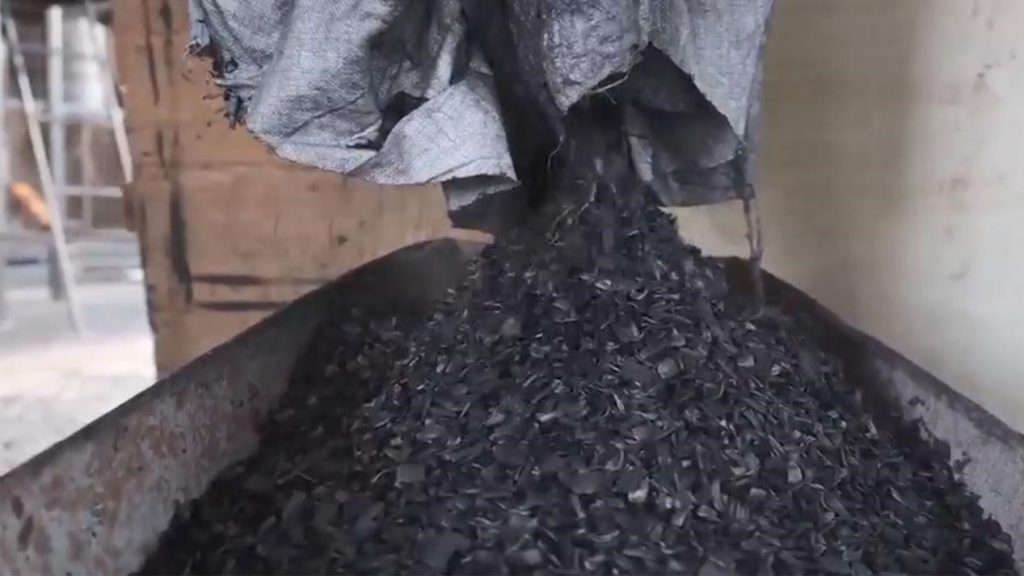
Reductions in production time constitute a very important operational advantage. Current practices for the complete carbonization of the feedstock usually require the passage of several days. With the new pyrolysis process the whole carbonization period does not exceed 6-12 hours. the possibility of running the system on a continuous basis has a further positive effect on the production capacity.
Energy recovery systems have a major impact on your operating costs and sustainability. Combustible gases are used to produce process heat and power. Waste heat recovery reduces the need for external energy sources. With an Energy Recovery System in place, your plant can become more self-sufficient. reduce your fuel consumption and operating costs.
Pyrolysis plants demonstrate substantially lower emissions and carbon footprints. Controlled combustion eliminates unburned particulates and harmful gases. Closed-loop systems prevent atmospheric pollution from volatile compounds. Carbon sequestration in charcoal provides long-term environmental benefits.
Biofuel from Waste Biomass Utilization of waste biomass for energy can turn environmental burden into resource. Waste biomass here includes agricultural residues, forestry waste and urban biomass. Using waste biomass for energy production helps in the reduction of landfill waste and methane emissions. Resource recovery from waste, recycling and reusing wastes can gain maximum value from the wastes.
Our innovative technology for turning wood into energy supports and even encourages sustainable forestry management. By utilizing waste, we relieve pressure on the world’s natural forests, improve forestry management through use of our technology for wood biomass residues and provide opportunities for generating carbon credits as well as timber.
Pyrolysis Wood to Biochar Projects appear to have promising long term economics. The higher capital investment needed to bring new systems online is offset by the potential for improved efficiency. This investment is partially balanced by reduced labor costs and increased sales from higher-grade iron ore production. Quality assurance further boosts the saleable iron grade by ensuring more consistent material delivery.
Beyond direct revenue from primary charcoal sales, there are many opportunities to generate revenue from bio-oil. gas, the latter being available as either a renewable fuel or as a chemical feedstock. Furthermore, syngas can be used as process energy or as a means of power generation. Additional by-product revenue also plays a significant role in increasing the overall project revenue and return on investment.
There is a global surge in demand for biodurables such as eco-friendly charcoal. The regulation of the environment is improving across the world. This is in line with the global growing trend towards the adoption of renewable. environmentally-friendly alternatives such as sustainable biomass fuels. A number of key export markets are fast developing a strong affinity towards environmentally-friendly charcoal and biomass products.
An Australian general waste and tire recycling authoritative body turned to Environment Minister Sussan Ley in November last year with a request to prohibit whole bale tire…
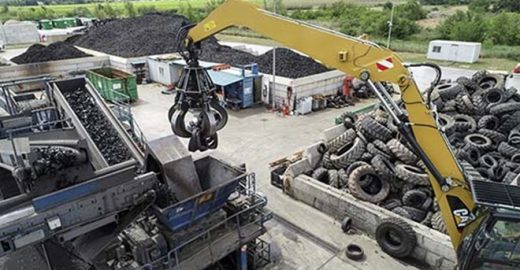
Aliapur – a French end-of-life tire management authority – recently announced a call for applications to participate in a tender to renew end-of-life tire collection and recycling contacts for 2021–2024..