For the continuous tire pyrolysis system, pre-treatment is crucial and serves as an essential foundation for ensuring the stable operation of the system. It not only determines the quality of the feedstock. but also directly influences operational stability, production efficiency, the quality of pyrolysis products, and the overall economic viability of the project.
Unlike traditional batch pyrolysis, continuous pyrolysis system requires a steady, uniform, and stable supply of feedstock. Consequently, there are stricter requirements regarding the size of the waste tires, their steel wire content, and their physical state upon entry.
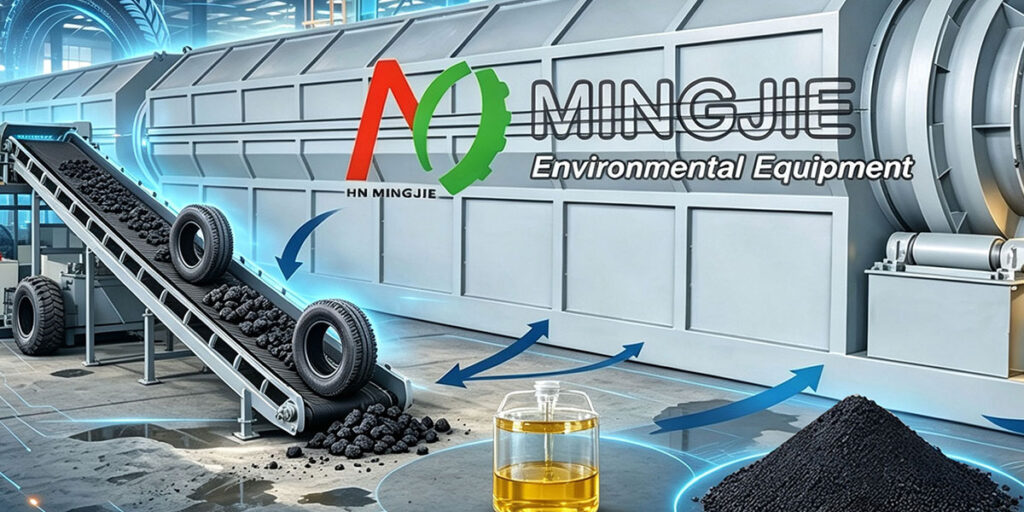
Waste tires contain significant amounts of steel wire. If whole tires are fed directly into the continuous waste tires pyrolysis system, these wires can easily become entangled with the internal components of the pyrolysis reactor, leading to material jams or reactor blockages—and in severe cases, causing damage to internal blades or linings. Pretreatment eliminates the risks of entanglement and wear at the source, extends the continuous operating cycle, and reduces costs related to maintenance and spare parts.
Uniformly sized rubber particles ensure consistent heat transfer rates, allowing the material's residence time within the reactor to align with design parameters. A stable material form enables precise, uniform feeding, which keeps the reactor temperature, negative pressure, and gas-phase output stable. This prevents localized overheating and rapid coking on the reactor walls, thereby extending the service life of the continuous pyrolysis plant.
Without pretreatment, fluctuations in the feed can disrupt internal operating conditions, creating safety hazards such as the risk of tail-gas deflagration or a loss of control over negative pressure.
The three primary products of continuous tire pyrolysis—pyrolysis oil, syngas, and carbon black—are all sensitive to the consistency of the feedstock. Consistent thermal decomposition ensures a stable yield of pyrolysis oil and allows for the control of heavy residue content. Furthermore, the ash and volatile matter content of the recovered carbon black can be regulated to meet industry standards, ensuring high added value.
An Australian general waste and tire recycling authoritative body turned to Environment Minister Sussan Ley in November last year with a request to prohibit whole bale tire…
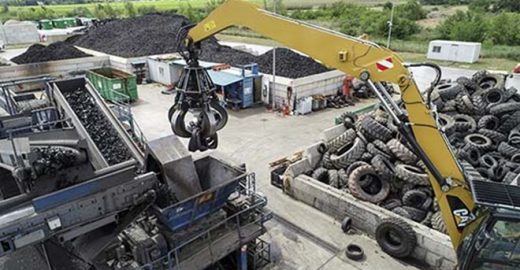
Aliapur – a French end-of-life tire management authority – recently announced a call for applications to participate in a tender to renew end-of-life tire collection and recycling contacts for 2021–2024..