South Asian grain regions face a massive waste crisis every harvest season. Rice husks pile up in mountains across the rural landscape. Traditional incineration releases dangerous smoke into the air and harms local communities. This burning season creates severe environmental hazards for many people. We must transition to a smarter biomass management strategy immediately. The Rice Husk Charcoal Making Machine provides a viable path forward for these regions. This technology transforms agricultural residue into high-value carbon products. It offers a profitable alternative to open-air burning for rural entrepreneurs. Sustainable development starts with efficient waste-to-energy solutions for agricultural residue.

Pyrolysis utilizes thermal decomposition in an oxygen-free environment for maximum efficiency. The Rice Husk Charcoal Making Machine operates at high temperatures to process biomass. This closed system converts organic husks into solid biochar. It prevents the release of harmful gases during the entire processing cycle. Traditional disposal methods release significant amounts of dioxins and sulfur dioxide. Modern carbonization technology reduces NOx and SO2 emissions significantly. This process creates a clean energy cycle for the agricultural sector. The machine captures energy that otherwise pollutes the local atmosphere. It represents a significant upgrade over traditional open-air disposal methods.
Mingjie Group offers various machine configurations for specific rural needs. Small projects utilize Portable Small Carbonization Equipment with skid-mounted designs. This unit processes dry materials between 5 and 20 millimeters in size. It requires a raw material moisture content of less than 15 percent. Larger industrial hubs need the Fully Automatic Biochar Making Machine for operations. This system handles larger materials exceeding 20 millimeters in size easily. It processes feedstock with moisture levels between 15 and 65 percent. These industrial units support massive daily throughput for regional agricultural hubs. The Rice Husk Charcoal Making Machine scales to meet any waste volume.
Mingjie Group maintains a strong and active presence in the global market. They have successfully implemented projects in over 30 different countries. One notable biomass carbonization project operates efficiently in South Africa today. This track record validates the technology for all South Asian stakeholders.
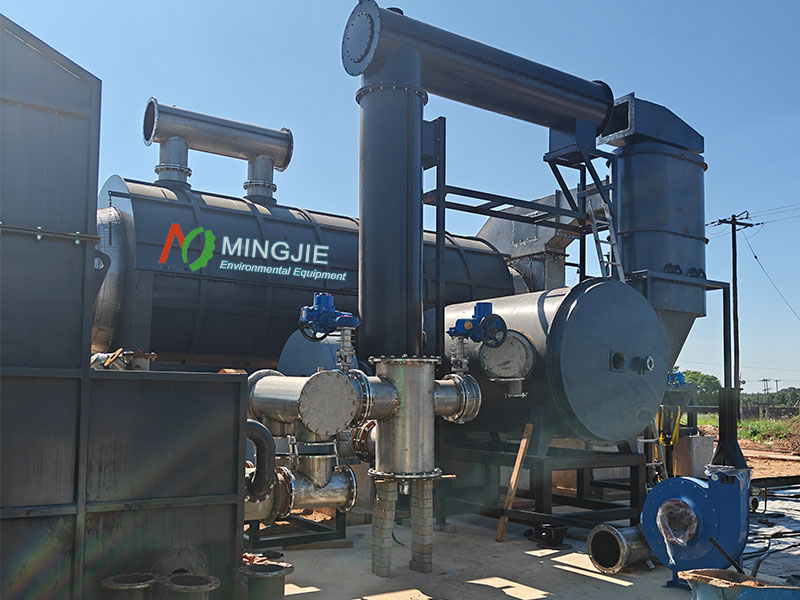
The fully automatic Rice Husk Charcoal Making Machine works 24 hours daily. A constant feeding and discharging system eliminates unnecessary and costly downtime. Materials enter the reactor while biochar exits through water-cooled systems. This high efficiency ensures a rapid return on initial capital investment. The water-cooled discharge prevents fly ash from entering the local workplace. Operators enjoy a clean and safe environment during the entire cycle. Robust seals prevent gas leaks and ensure technical safety for workers. Continuous production meets the heavy demands of large-scale waste management.
Rural entrepreneurs can unlock new revenue streams with this advanced equipment. The Rice Husk Charcoal Making Machine produces premium biochar consistently. This material has diverse applications in global and local industrial markets. It serves as an effective soil conditioner for small-scale farmers. Fertilizer manufacturers use biochar as a stable and efficient nutrient carrier. Some regions process the output into high-energy fuel briquettes for heating. This circular model generates high returns for savvy rural investors. It creates sustainable jobs in local manufacturing and specialized processing. Waste becomes a valuable commodity through advanced carbonization technology.
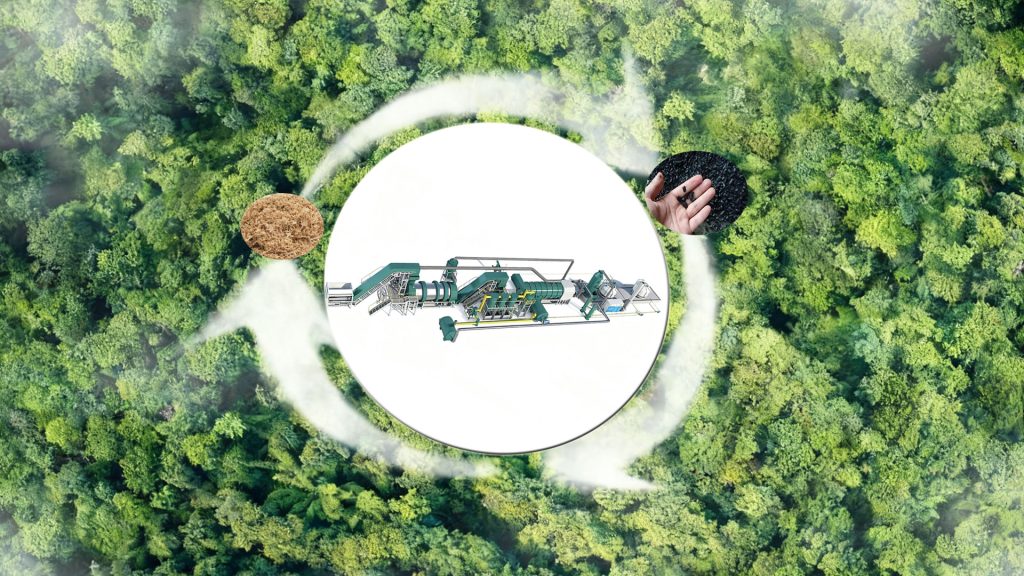
Carbon sequestration is a primary benefit of this innovative pyrolysis technology. The Rice Husk Charcoal Making Machine traps carbon in a solid form. This biochar remains stable in the soil for several centuries. The process directly reduces agricultural CO2 emissions into the atmosphere. It supports global climate goals through permanent and safe carbon storage. Using this machine lessens the burden on local landfill infrastructure significantly. It protects groundwater from pollution caused by rotting organic waste piles. Sustainable carbon circulation becomes a reality with this modern hardware.
Investors can maximize profits by refining pyrolysis byproducts further for sale. The Rice Husk Charcoal Making Machine produces valuable biochar. The process also generates syngas for the reactor's own heating needs. Self-sustaining energy cycles reduce the operational costs for the entire plant.
An Australian general waste and tire recycling authoritative body turned to Environment Minister Sussan Ley in November last year with a request to prohibit whole bale tire…
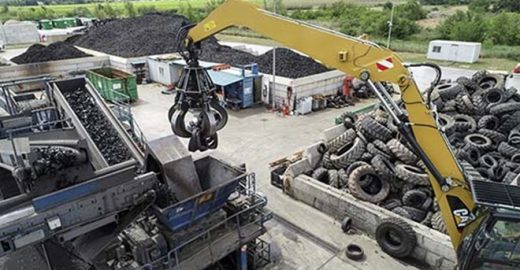
Aliapur – a French end-of-life tire management authority – recently announced a call for applications to participate in a tender to renew end-of-life tire collection and recycling contacts for 2021–2024..