The amount of plastic waste generated globally has far exceeded the capacity of mechanical recycling. Plastic pyrolysis technology offers advantages such as broad adaptability to plastic waste and high resource conversion rates. Waste plastic pyrolysis system is injecting new momentum into the development of the circular economy.
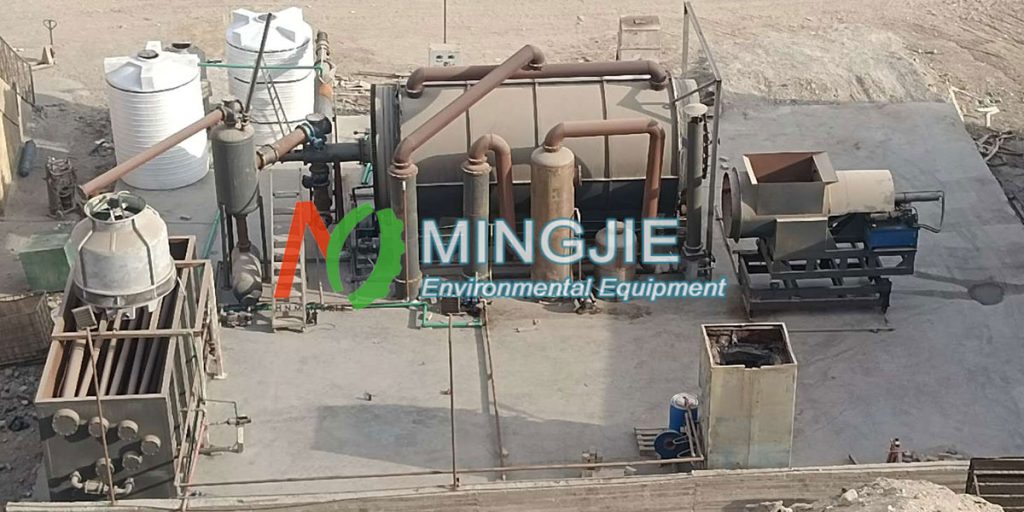
The continued expansion of the global plastics industry has led to an explosive growth in plastic waste generation. Industry estimates suggest that global annual plastic production exceeds 400 million tons, with over 70% ultimately becoming waste.
Of this waste, less than 10% can be effectively reused through mechanical recycling. The vast majority cannot enter the mechanical recycling system due to high recycling costs, mixed materials, and severe pollution.
Mechanical plastic recycling itself has significant capacity limitations and technological shortcomings:
Firstly, mechanical recycling has extremely high requirements for the purity and uniformity of plastic waste. In reality, a large amount of plastic waste is a mixture of materials and contaminated with pollutants, exceeding the processing capacity of mechanical recycling.
Secondly, mechanical plastic recycling has limited capacity. A conventional mechanical crushing production line has an annual capacity of only 6,000-10,000 tons. This is insufficient to handle the hundreds of millions of tons of plastic waste generated annually, making centralized processing of decentralized waste impossible.
Thirdly, the mechanical recycling industry chain is weak, with high raw material storage costs and low added value of end products.
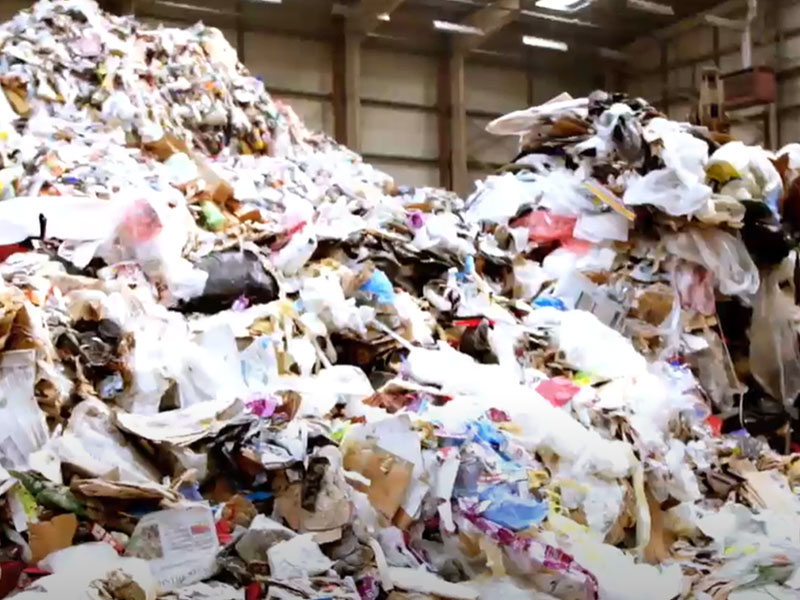
The generation of waste plastics far exceeds recycling capacity, causing a supply-demand imbalance. This not only creates severe environmental pressure but also wastes the enormous resource value inherent in plastics.
Plastics are essentially high-molecular-weight hydrocarbons with an energy density similar to crude oil. Plastic pyrolysis plant can transform waste plastics into fuel oil through pyrolysis technology, making them an important raw material for replacing fossil fuels. Waste plastic pyrolysis system can achieve a win-win situation for both environmental and economic benefits.
Major economies worldwide have incorporated plastic pollution control and solid waste resource utilization into their national strategies. A series of supportive policies have cleared obstacles and reduced costs for the plastic pyrolysis industry. The EU and the US, through carbon emission reduction policies and mandatory plastic recycling targets, have created a vast market space for plastic pyrolysis.
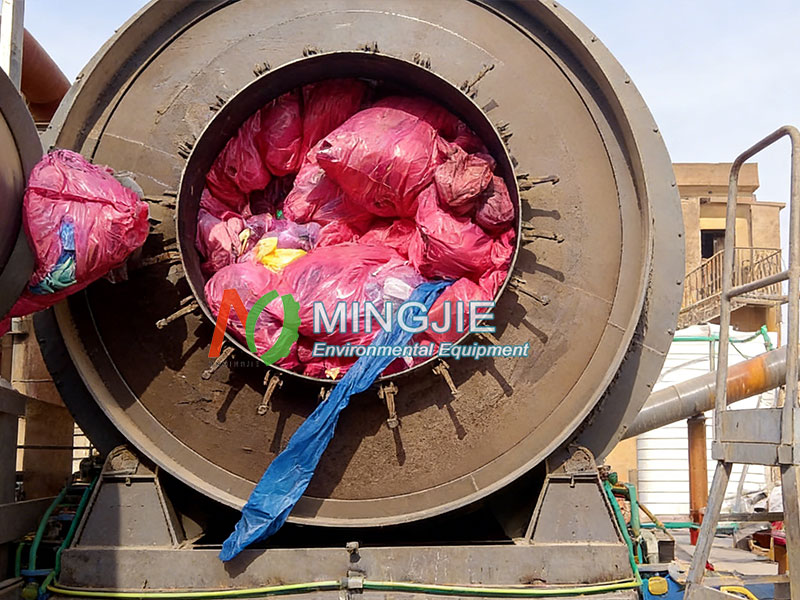
Plastic pyrolysis has deeply integrated with industries such as petrochemicals, solid waste treatment, and new energy, forming a new industrial chain.
Upstream, the plastic waste collection and storage system is gradually improving. Centralized recycling and pretreatment of plastic waste provides a stable and low-cost raw material supply for plastic pyrolysis system.
Midstream, continuous updates to pyrolysis technology and equipment have reduced the cost of plastic pyrolysis system. This further promotes the large-scale development of the plastic pyrolysis industry.
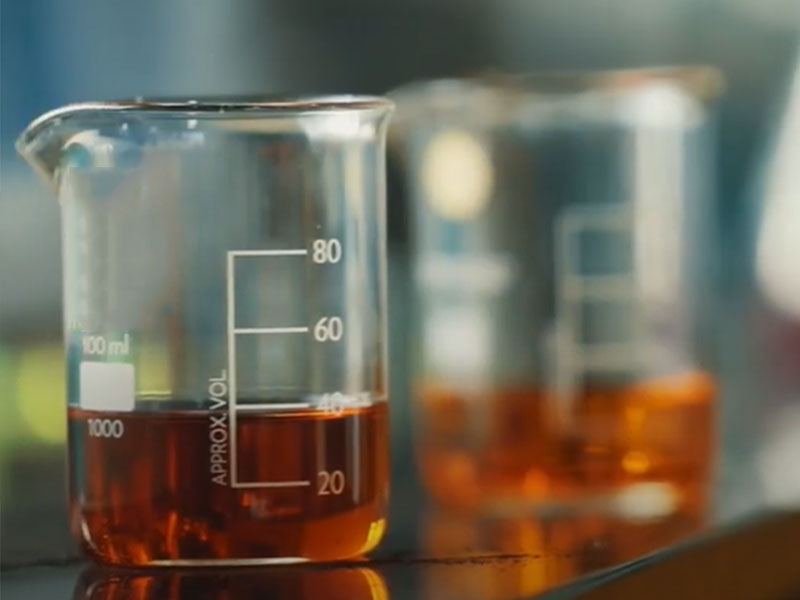
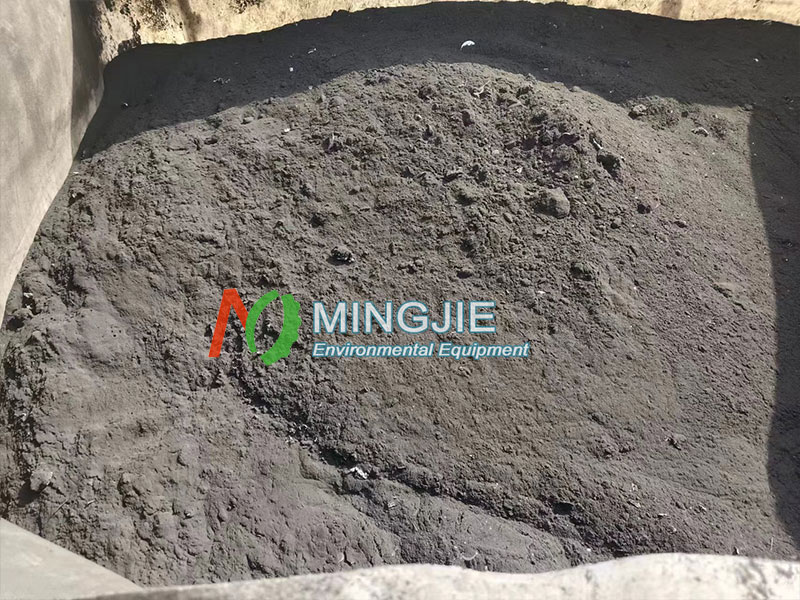
Downstream, the products of plastic pyrolysis (pyrolysis oil, syngas, and carbon black) can be deeply integrated with industries such as petrochemicals and energy. Pyrolysis oil can be used as fuel oil or refined as a raw material for further processing into finished oil products and chemicals. Pyrolysis gas can be used for self-heating or power generation. Pyrolysis carbon black can be used in activated carbon production, soil improvement, and other fields.
For businesses, plastic pyrolysis projects offer attractive returns, a reasonable cost structure, and diversified profit models. The costs of plastic pyrolysis projects are mainly concentrated in three areas: investment in the pyrolysis plant, raw material procurement, and operation and maintenance.
With technological innovation and large-scale production, the investment cost of plastic pyrolysis plant has continued to decline. It is significantly lower than that of mechanical recycling or incineration projects of the same scale. At the same time, local government subsidies further reduce the initial investment pressure on enterprises.
Regarding raw material costs, the low-cost advantage of plastic waste is extremely prominent. Plastic pyrolysis technology can process various mixed and contaminated plastic wastes without complex pretreatment.
In terms of operation and maintenance, the automation and intelligence levels of plastic pyrolysis technology are continuously improving, requiring fewer personnel. Furthermore, the pyrolysis gas generated during the process can be used for self-heating, significantly reducing energy consumption costs.
It is estimated that the investment payback period for plastic pyrolysis projects is approximately 5 years, with an internal rate of return (IRR) greater than 20%. This is significantly higher than traditional solid waste treatment projects, giving them strong market competitiveness.

An Australian general waste and tire recycling authoritative body turned to Environment Minister Sussan Ley in November last year with a request to prohibit whole bale tire…
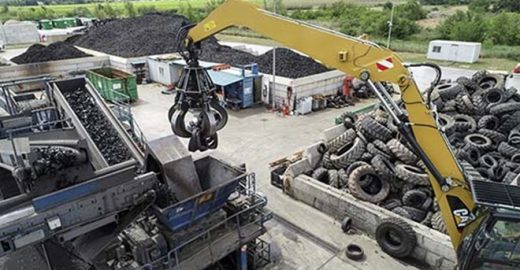
Aliapur – a French end-of-life tire management authority – recently announced a call for applications to participate in a tender to renew end-of-life tire collection and recycling contacts for 2021–2024..