Waste tyre pyrolysis represents a thermal decomposition process that converts discarded tyres into valuable energy products under controlled conditions. Pyrolysis plant can convert waste plastics and tires into pyrolysis oil and carbon black. Tyre and Plastic Pyrolysis in an oxygen-deficient environment at elevated temperatures, typically around 400-500°C, where the complex polymer structures in tyres break down into smaller molecular components.
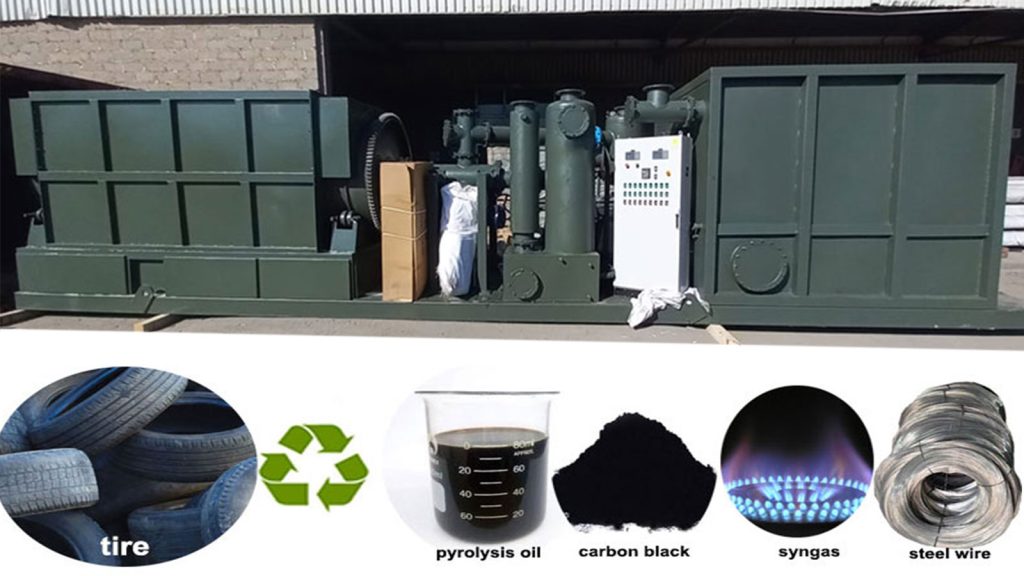
The key stages in the pyrolysis process for tyres involve several critical phases. Initially, the feedstock undergoes heating to reach the optimal operating temperature, followed by the actual decomposition phase where thermal cracking occurs. MJ-2 process for waste Plastic can be expected to be finished within 20 hours, highest temperature in the reactor around 420 ℃. The process continues with condensation of vapors and collection of products, concluding with cooling and discharge phases.
Types of products derived from waste tyre pyrolysis include three primary outputs: pyrolysis oil, carbon black, and syngas. Pyrolysis equipment has been widely used in MSW treatment, which not only provides solutions for MSW treatment, but also provides solutions for energy and value-added product recovery. Each product stream offers distinct commercial applications and market opportunities.
Waste plastic pyrolysis operates on similar thermochemical principles but with notable variations in processing parameters and product distributions. The mechanism involves breaking down long-chain polymer molecules into shorter hydrocarbon chains through controlled thermal degradation. PE(Thin film, bottle, electrical insulating materials, hand bag, water pipe, oil drum , staple goods etc.) oil yield is about 70-80% for pure material.you will get 700-800 kg fuel oil.
Process steps involved in plastic pyrolysis begin with feedstock preparation, where materials must be sorted and cleaned to remove contaminants. The machine can accept dirty materials, so, there is no need for washing . But washing process will absolutely improve the quality of the oil. The thermal treatment phase follows specific temperature profiles optimized for different plastic types.
Types of outputs from waste plastic pyrolysis vary significantly based on feedstock composition. PP(Thin film, rope, table ware, furniture, woven bag, bottle cap, car bumpers etc.) of pure oil yield is about 80% ,you will get about 800 kg fuel oil The product spectrum includes light oils, heavy oils, wax fractions, and residual char materials.
The integration of waste tyre pyrolysis plant and waste plastic pyrolysis plant operations faces substantial challenges due to fundamental differences in feedstock characteristics. Variations in chemical composition between tyres and plastics create complex operational requirements. Tyres contain natural rubber, synthetic rubbers, carbon black reinforcement, steel belting, and various chemical additives, while plastics consist primarily of thermoplastic polymers with different molecular structures and decomposition pathways.
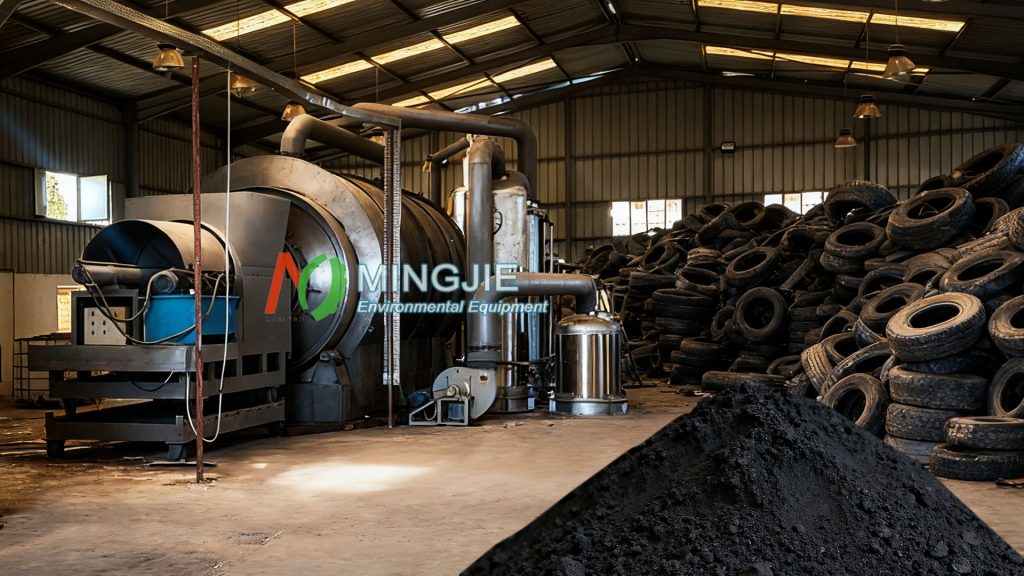
Our pyrolysis plant for sale is designed to process both waste tires and plastics, but we will suggest not to mix in one batch, better separately. This recommendation highlights the practical challenges manufacturers face when attempting to process mixed feedstocks simultaneously.
Impact of feedstock diversity on process efficiency manifests through varying decomposition kinetics, different optimal temperature ranges, and distinct product quality characteristics. The presence of steel wire in tyres requires additional handling systems, while plastic contamination levels significantly affect oil quality and yield rates.
Optimal conditions for tyre versus plastic pyrolysis differ substantially, creating operational complexity in integrated systems. Tyre pyrolysis typically requires higher temperatures and longer residence times compared to most plastic types. The thermal stability differences between rubber compounds and thermoplastic materials necessitate careful process control to optimize both feedstock types.
Challenges in maintaining consistent operational parameters for both materials include temperature ramping rates, pressure management, and heat distribution uniformity. Feeding 1 ton : 20 mins Pyrolysis Period: Around 4-5 hours Reactor cooling down: 4 hours ØCarbon discharging : 1 hours These timing requirements demonstrate the complexity of coordinating different processing cycles within integrated systems.
Initial investment requirements for combined systems typically exceed those for dedicated single-feedstock operations due to increased equipment complexity and control system sophistication. The need for flexible reactor designs, advanced process controls, and multiple product handling systems drives capital costs higher than conventional approaches.
Operational cost analysis compared to separate systems reveals both advantages and disadvantages. While integrated systems may achieve economies of scale in utilities and labor, they often require more sophisticated maintenance protocols and specialized operational expertise. Take the batch plant for example, we suggest to stop the machine once a week for regular checking mainly for the wearing parts and lubricant, for each month, stop for one day for maintenance , mainly do the cleaning jobs.
Fluctuations in market demand for pyrolysis products significantly impact the economic viability of integrated operations. Can be used for heating. Can be used in the low speed and heavy duty engines, like boat, diesel generator. The diverse application markets for pyrolysis products create both opportunities and risks for integrated facilities.
Economic viability based on product yield and quality depends heavily on maintaining consistent output specifications across different feedstock types. Quality variations between tyre-derived and plastic-derived products may require separate marketing strategies or additional processing steps to meet market specifications.
Types of emissions associated with tyre and plastic pyrolysis include volatile organic compounds, particulate matter, and potential trace contaminants specific to each feedstock type. Waste To Energy Pyrolysis is carried out under oxygen-deficient conditions, which avoids the generation of a large amount of harmful gases and smoke during the combustion process and reduces environmental pollution.
Strategies for minimizing environmental footprint during integration focus on comprehensive emission control systems and process optimization. Compared with traditional incineration, the pyrolysis process can effectively reduce the emission of CO₂ greenhouse gases. Advanced gas cleaning technologies and monitoring systems become essential components of integrated facilities.
Overview of relevant regulations affecting pyrolysis processes encompasses air quality standards, waste management regulations, and product quality specifications. The complexity increases when processing multiple feedstock types under varying regional regulatory frameworks.
Challenges in meeting compliance when integrating processes include demonstrating consistent emission performance across different operating modes and maintaining product quality standards regardless of feedstock variations. All the plants from Mingjie has a 12 months guarantee since the act of acceptance is signed, during the warranty period, all the problems cause by quality will be resolved by Mingjie at its own cost, which will be indicated in the contract.
Innovations in reactor technology to accommodate mixed feedstocks include modular reactor configurations, advanced heat transfer systems, and flexible processing chambers. Semi-continuous Pyrolysis Plant and Fully Automatic Pyrolysis Plant represent technological advances that enable more efficient processing of diverse feedstocks.
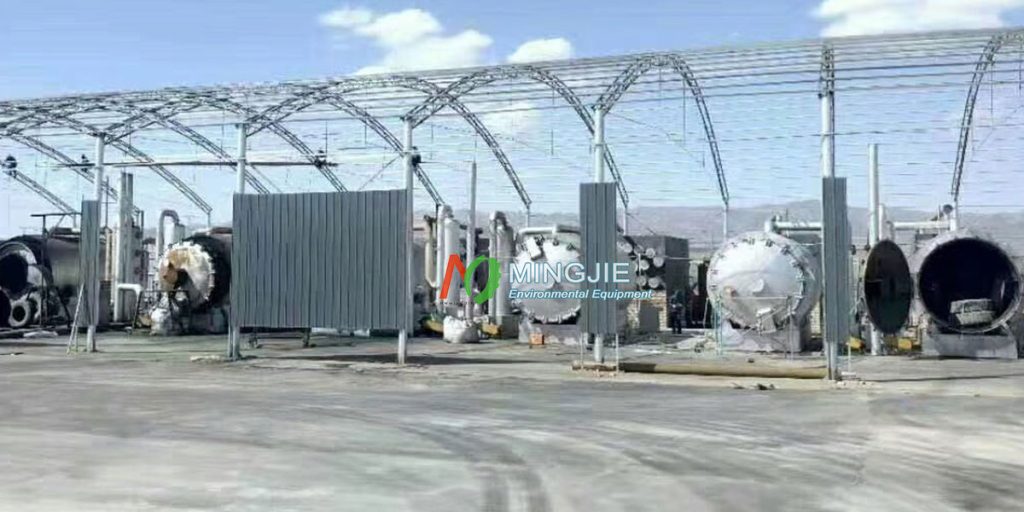
Benefits of modular reactor designs for integrated systems include operational flexibility, reduced downtime during maintenance, and the ability to optimize processing conditions for specific feedstock types. Equipped with an automatic feeding system, it can feed at high temperature without waiting for the main furnace to cool down.
Types of catalysts used in mixed feedstock pyrolysis include zeolite-based catalysts, metal-based catalysts, and specialized cracking catalysts designed to improve product selectivity and quality. The catalyst selection becomes critical when processing diverse feedstock mixtures with varying chemical compositions.
Impact on reaction rates and product distribution when using catalysts demonstrates significant potential for improving integrated system performance. Catalytic systems can help standardize product quality across different feedstock types while potentially reducing processing temperatures and residence times.
Emerging technologies that could streamline integrated systems include advanced process control algorithms, artificial intelligence-based optimization systems, and real-time product quality monitoring. Pyrolysis technology has broad application prospects in waste treatment, resource recovery and energy production, and is an important technical means to achieve sustainable development and environmental protection.
Research directions aimed at improving efficiency and output quality focus on catalyst development, reactor design optimization, and integrated process control systems. The development of adaptive processing technologies that can automatically adjust parameters based on feedstock characteristics represents a significant advancement opportunity.
Role of integrated systems in promoting sustainable waste management extends beyond simple waste processing to comprehensive resource recovery strategies. Waste Recycling Pyrolysis plant can convert waste into reusable energy and reduce resource waste.
Contribution to resource recovery and recycling initiatives encompasses multiple aspects of the circular economy model. Can be pressed to be briquettes and used as fuel. Can be further reprocessed to be higher quality, and used as fortifier and filler of plastic and rubber industry or as color master batch for producing some rubber products. These applications demonstrate the potential for creating closed-loop systems where waste materials become valuable inputs for other industrial processes.
The integration of waste tyre and plastic pyrolysis processes represents both significant challenges and substantial opportunities for advancing sustainable waste management technologies. Success in this integration requires careful attention to technical, economic, and environmental considerations while leveraging emerging technologies to overcome inherent operational complexities.
An Australian general waste and tire recycling authoritative body turned to Environment Minister Sussan Ley in November last year with a request to prohibit whole bale tire…
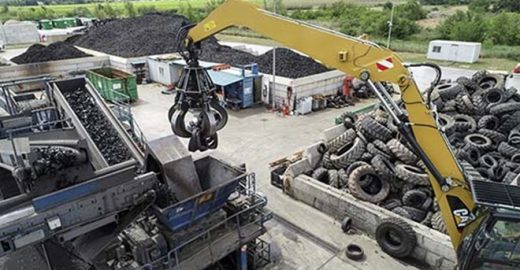
Aliapur – a French end-of-life tire management authority – recently announced a call for applications to participate in a tender to renew end-of-life tire collection and recycling contacts for 2021–2024..