

Technical Specifications
| Model | MJT-100 | MJT-500 | MJT-1000 | MJT-2000 | MJT-3000 | MJT-5000 |
| Capacity | 100KG/H | 500KG/H | 1000KG/H | 2000KG/H | 3000KG/H | 5000KG/H |
| Operation | Fully Continuous | |||||
| Accepted materials | Rice Husk, Saw Dust, Wood Waste, Straw, Palm Shell, Coconut Shell, Sludge, Animal Manure, Sugarcane Bagasse | |||||
| End products | Biochar, Syngas, Tar& Wood Vinegar(optional) | |||||
| Applicable fuel | Coal/Natural Gas/LPG/Diesel/Wood/Pyrolysis Oil | |||||
| Material of reactor | 304 Stainless Steel | |||||
| Reactor structure | Double Cylinders | |||||
| Cooling | Water Cooling | |||||
| Land Required | 300-400m2 | |||||
Wood pyrolysis plant adopts a continuous and slow pyrolysis process to stably convert woody feedstock into biochar. It simultaneously recovers syngas to provide self-sustaining heat. Continuous wood biochar production equipment represents the mainstream technological solution currently being deployed for Carbon Dioxide Removal (CDR) projects.
Raw Materials
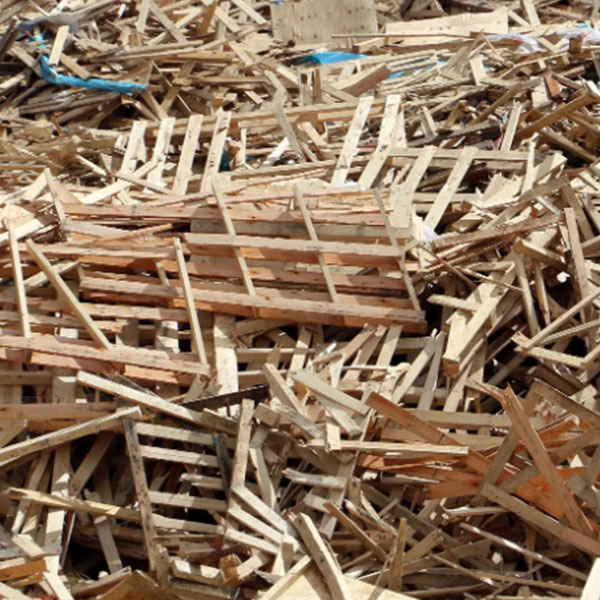
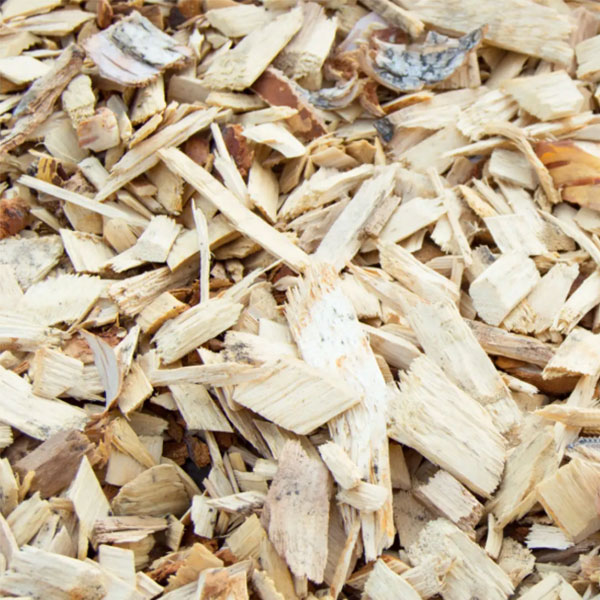
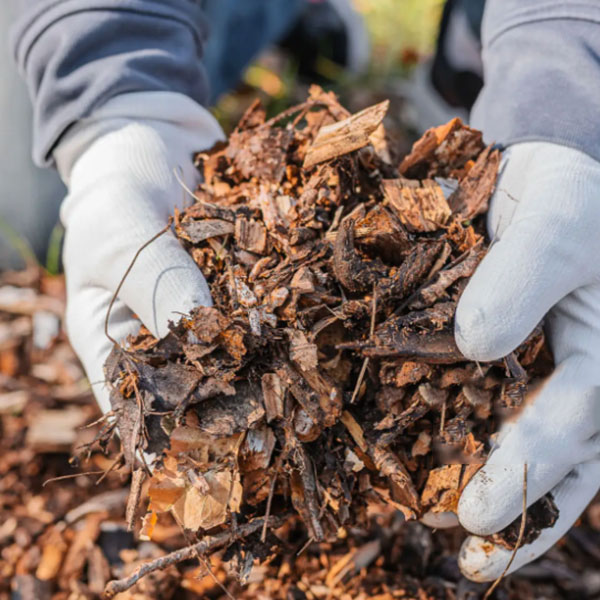
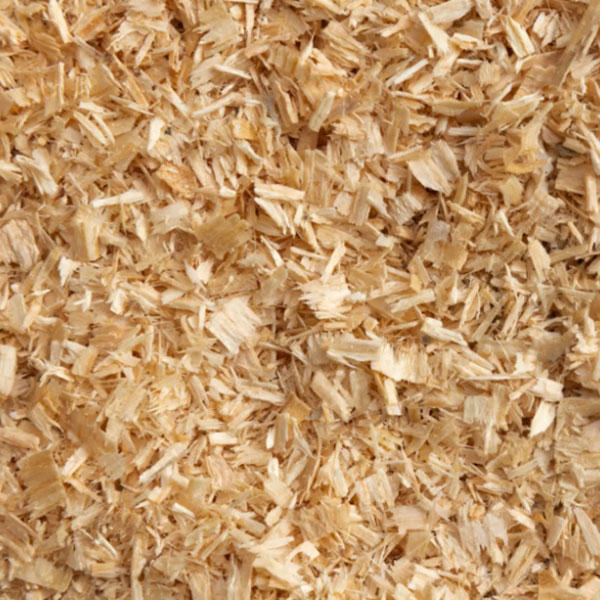
Waste wood is a quintessential biomass feedstock, particularly well-suited for continuous pyrolysis and carbonization systems.
Feedstocks suitable for biochar production include construction wood waste, waste wooden pallets, waste furniture wood, wood processing residues, sawdust and wood chips, waste packaging wood, orchard and forestry residues, and demolition wood.
In terms of the actual scale of biochar carbon removal projects, woody biomass is currently the dominant feedstock in the biochar industry. This dominance stems from the unique chemical composition of wood. Woody feedstocks possess a high natural lignin content, enabling the formation of highly aromatic carbon structures during pyrolysis, with carbon content that can easily exceed 80%.
Woody biomass is characterized by high volatile matter content and stable carbon content. The biochar produced by wood pyrolysis plant features a highly developed aromatic carbon structure and an excellent H/Corg ratio. Capable of remaining sequestered in the soil for over a century, this biochar meets the carbon credit development requirements of international carbon registries such as Verra and Puro.
Numerous studies consistently characterize woody biochar as a material with high carbon content, low ash content, and high aromaticity, making it exceptionally suitable for long-term carbon sequestration. From the perspective of carbon credit buyers, the predictability of this carbon stability ensures greater reliability in calculations regarding the permanence of carbon storage.
Final Products
|
Name |
Picture |
Application |
|
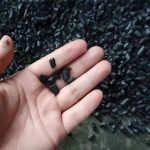
Biochar/ charcoal |
|
Used as soil conditioner, carbon sequestration, improve the quality of soil Used as fuel for industry heating and cooling or BBQ Can be reprocessed into activated carbon, widely used in the smelting, chemical fields. |
|
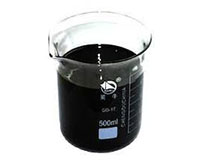
Tar & Wood vinegar |
|
Widely used as a crop insecticide, make leaf surface fertilizer |
|
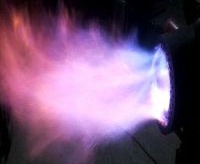
Syngas |
|
Can be recycled to heat the carbonization host. By this way, you can reduce a lot of fuel costs. |
Core Modules
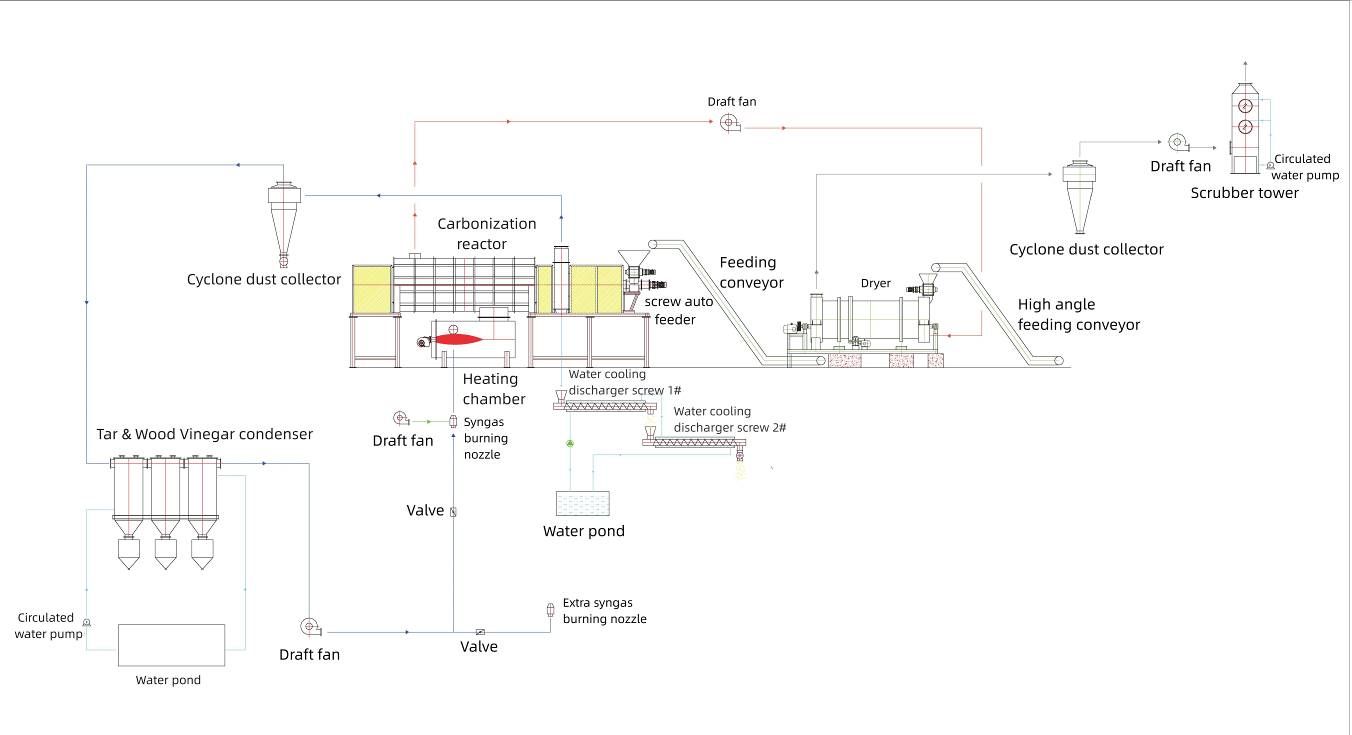
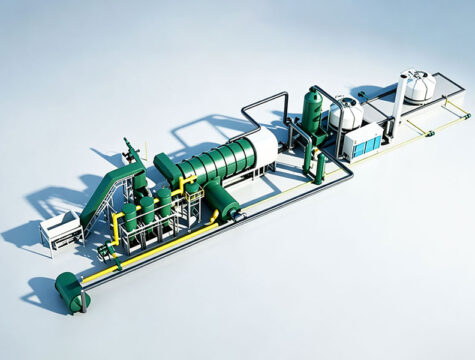
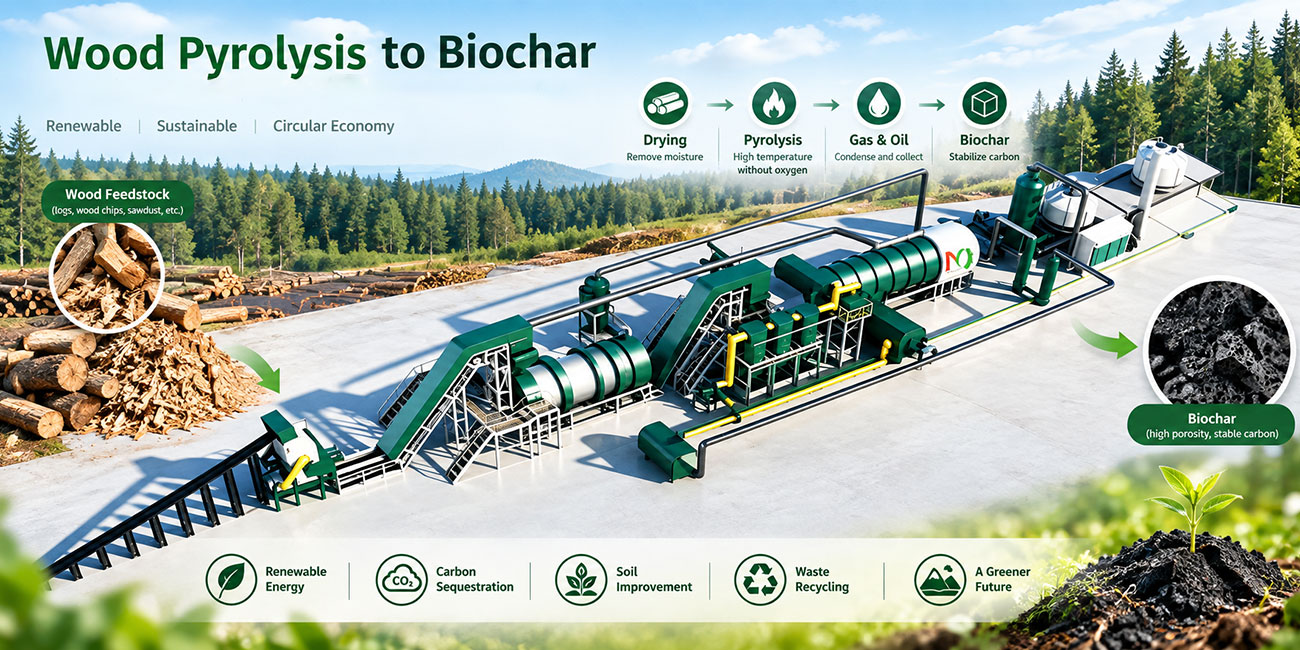
The core design objectives for continuous wood biochar production equipment are continuous operation, low-oxygen conditions, and constant-temperature slow pyrolysis. The wood biomass pyrolysis plant is designed to ensure consistent biochar quality, while enabling long-term, uninterrupted operation and reducing energy consumption and labor costs per unit of product. Centered on a horizontal rotary pyrolysis reactor, the equipment integrates modules for pretreatment, feeding, pyrolysis carbonization, syngas recovery, exhaust gas purification, and biochar cooling and discharge, forming a closed-loop production system.
Core Modules of the Wood Pyrolysis Plant
Feedstock Pre-treatment Unit
Comprising crushing, screening, and drying equipment. Crushing equipment reduces large wood waste to the appropriate particle size. After screening out stones and metal impurities, the drying system adjusts the feedstock moisture content to the optimal process range, ensuring uniform and stable feeding.
Sealed Continuous Feeding Unit
Comprising crushing, screening, and drying equipment. Crushing equipment reduces large wood waste to the appropriate particle size. After screening out stones and metal impurities, the drying system adjusts the feedstock moisture content to the optimal process range, ensuring uniform and stable feeding.
Continuous Pyrolysis and Carbonization Reactor
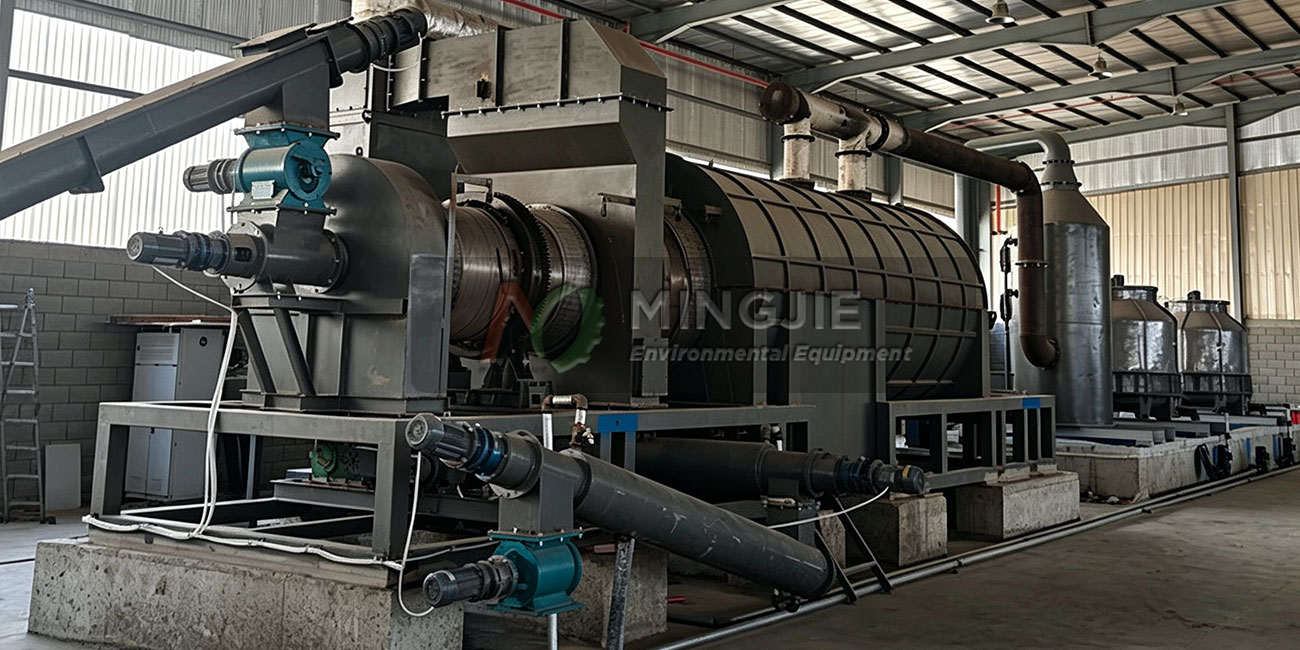
This is the core component of the wood pyrolysis plant. Wood material is slowly conveyed forward within a slow-rotating drum, undergoing slow pyrolysis in a low-oxygen environment at controlled temperatures of 500–600°C. Organic matter in the wood thermally decomposes into biochar, wood tar, and syngas.
Syngas Recovery and Utilization System
After purification, the syngas is recirculated and burned to provide heat for the reactor, achieving energy self-sufficiency. This process eliminates the need for additional fuel, significantly reducing the project’s lifecycle carbon footprint.
Biochar Cooling and Discharge Unit
High-temperature biochar cannot come into direct contact with air. A sealed water-cooling system rapidly cools the hot char to a safe temperature before discharge, preventing re-ignition.
Purification and Tail Gas Treatment Unit
Performs dust removal and condensation separation on pyrolysis volatiles. Flue gas from combustion undergoes purification to meet emission standards and environmental regulations.
dMRV System
Digital dMRV Monitoring Module (Optional)
The system integrates multiple sensors to collect real-time data during wood biochar production, automatically recording and retaining traceability evidence. It supports third-party verification, providing credible data to underpin biochar carbon removal projects.
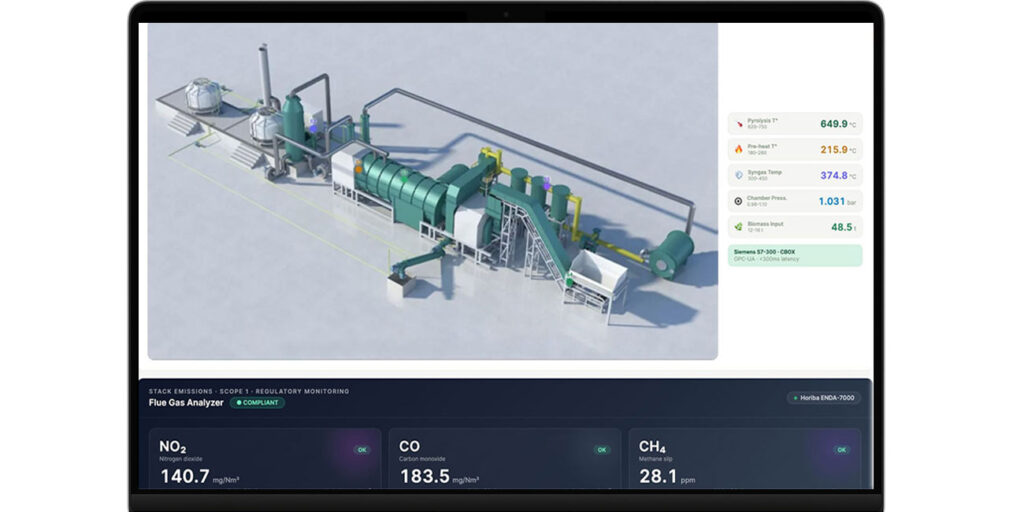
Customized Solutions for Top clients:
- Comprehensive data collection, visualization, and management.
- Premium equipment, PLCs, expanded sensor arrays, Cbox hardware, and after-sales service.
The large scale biochar production plant utilizes an integrated dMRV system to centrally manage data regarding operations, production, emissions, and carbon removal. Mingjie offers a highly cost-effective package: equipment paired with dMRV configuration, high-integrity carbon credits, rapid deployment and scalability, and "bankable" dashboards that meet investor standards.
The dMRV system addresses the challenges of trust and management associated with scaling up biochar carbon removal (BCR) projects, enabling full lifecycle traceability of the biomass. The quality of carbon credits generated by biochar projects depends heavily on the sustainability of feedstock sources, compliance during production, and whether the end-use effectively sequesters carbon.
The dMRV system enables digital tracking across the entire biochar value chain, covering every stage from biomass sourcing, production, and transportation to final application. This end-to-end traceability provides the foundational data to substantiate the authenticity of the carbon credits.
Our Advantages
Advantages of Biomass Pyrolysis Carbonization Plant
Reactor structure takes dual cylinder type, which has long stroke and can ensure the biomass carbonized completely
Complete Reactor made of 304 stainless steel, which can resist high temperature and give the machine service life much longer
Fully Continuous operation, non-stop running, keep feeding and carbon discharging 24 hours per day, high automation,
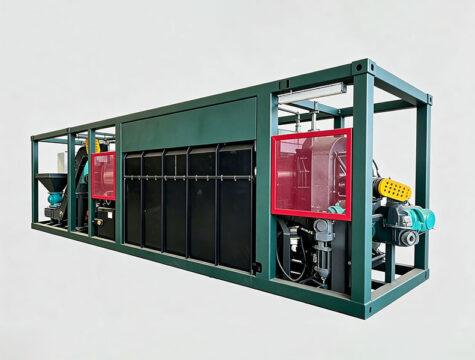
The complete line takes modular design, which is easy for transportation and installation, save a lot of installation cost
The machine use it own produced syngas as main fuel during the carbonization, save a lot of energy cost
PLC control system, the process is fully automatic