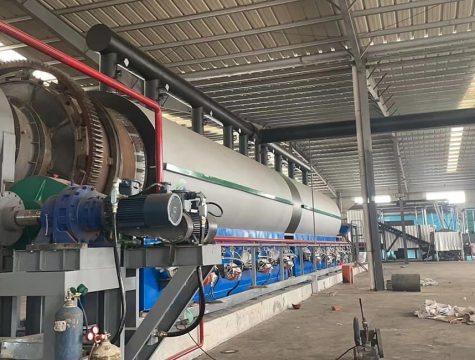
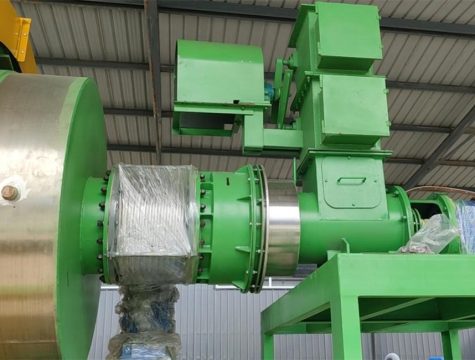
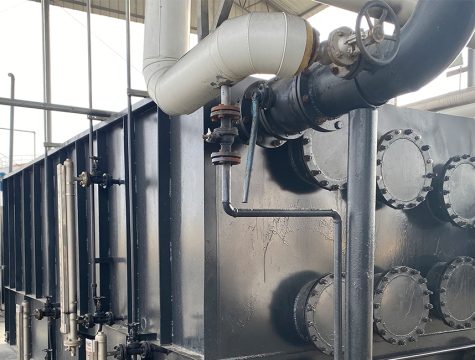
· Product: MJT-3000 Biomass Carbonization plant
· Country: Thailand
On October 20, 2026, Mingjie Group completed the factory inspection and shipment of MJT-3000 biomass carbonization plant for sale to Thailand. It will be used in a local coconut shell activated carbon production project. The biomass carbonization equipment uses a continuous pyrolysis carbonization process to convert waste biomass into charcoal. This charcoal is then processed into activated carbon through activation treatment.
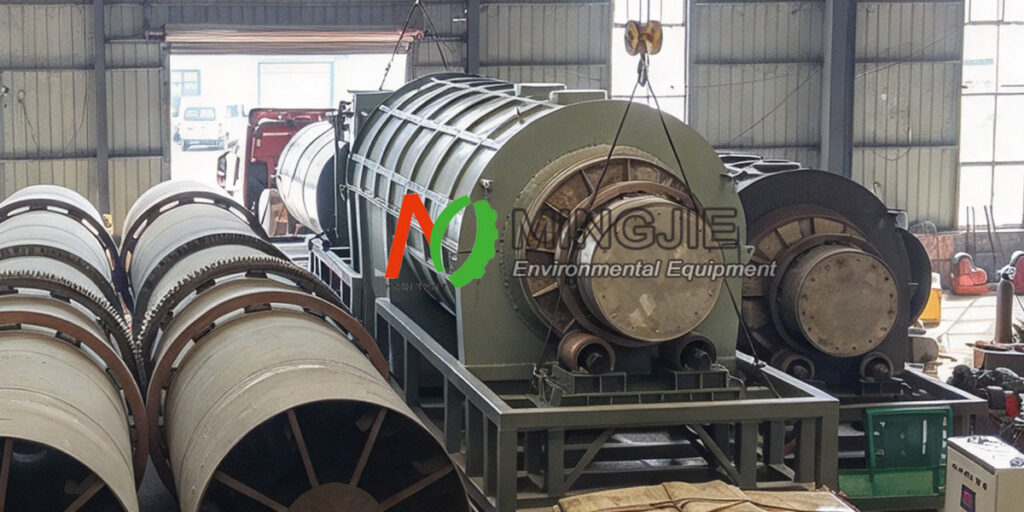
As a major agricultural country, Thailand generates a large amount of biomass byproducts such as coconut shells, palm shells, and rice husks every year. Traditional methods of disposal mainly involve incineration or disposal, which leads to resource waste and environmental pressure. Biomass carbonization plant for sale can incorporate these low-value wastes into the raw material chain for activated carbon production, achieving a leap in resource value.
The Thai client faced challenges due to significant fluctuations in the moisture content of their biomass feedstock and stringent local environmental regulations. Simultaneously, the client required stable production capacity, ease of operation, and controllable maintenance costs. Mingjie technical staff customized a tailored solution based on these conditions.
Mingjie Group offers more than just biomass carbonization plant output. We provide a one-stop solutions, encompassing process design, equipment manufacturing, export, on-site installation and commissioning, and personnel training.
This custom biomass carbonization plant for sale to Thailand is a continuous activated carbon production line, covering all processes including raw material crushing, drying, carbonization, activation, cooling, screening, and flue gas purification. The core equipment is a rotary carbonization reactor, equipped with PLC control system.
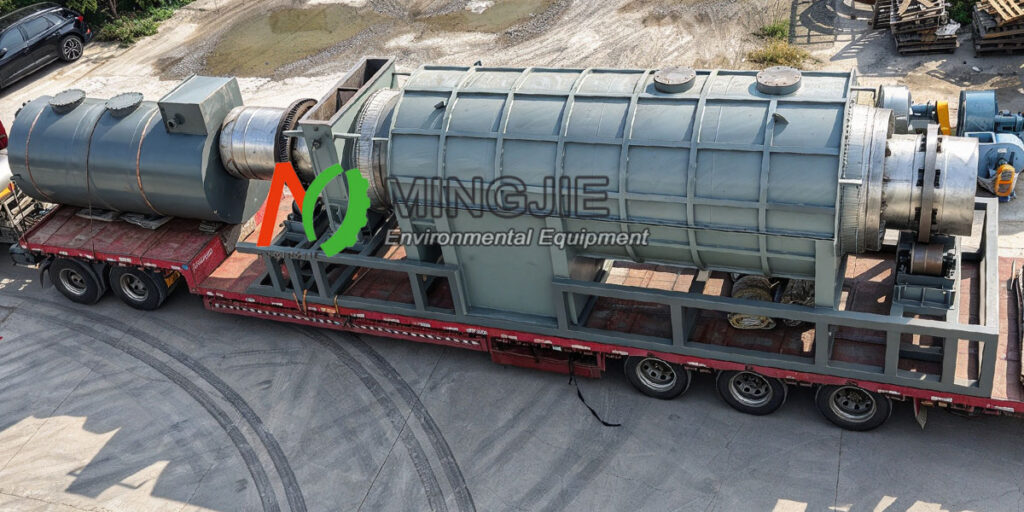
Once the custom biomass carbonization plant for sale to Thailand is operational, it will transform local waste coconut shells into valuable resources. The coconut shell activated carbon will be supplied to water purification and waste gas treatment industries. This will realize the resource utilization of agricultural and forestry solid waste, reduce reliance on imported activated carbon, and achieve both economic and environmental benefits.
The core pathway for converting waste biomass into activated carbon involves two steps: carbonization and activation.
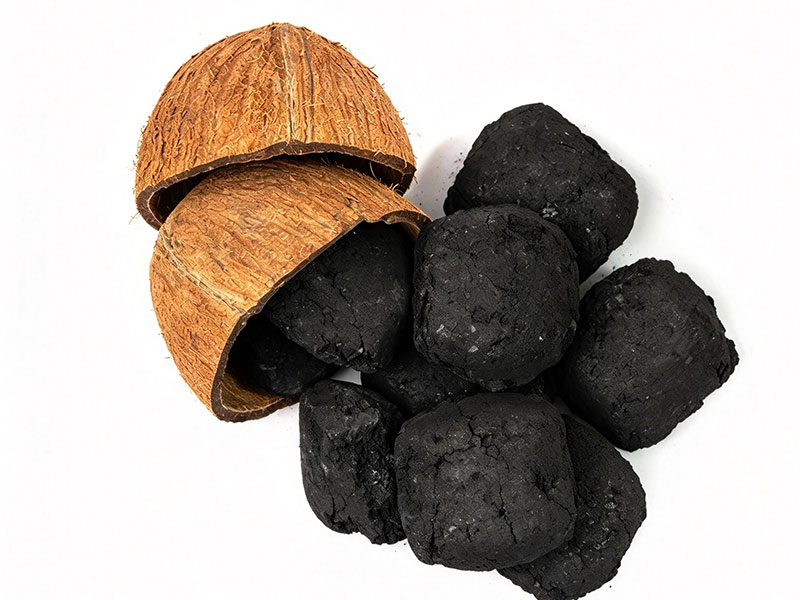
Biomass first undergoes low-temperature pyrolysis in a continuous carbonization reactor to remove volatiles, forming biochar with a preliminary framework. The material is then transported to a separate continuous activation furnace, where it reacts with activation gases at high temperatures.
This continuous biochar production plant differs from batch carbonization equipment. It enables continuous material feeding, continuous pyrolysis and carbonization, and continuous discharge. The entire process is closed and oxygen-controlled, with the syngas generated during carbonization being recovered for heat supply. It combined with steam physical activation to produce granular activated carbon.
Utilizing continuous biomass carbonization and activation equipment, agricultural and forestry waste biomass can be stably converted into high-quality activated carbon, realizing the resource utilization of solid waste. The produced activated carbon is widely used in water purification, waste gas treatment, solvent recovery, food decolorization, and other fields.
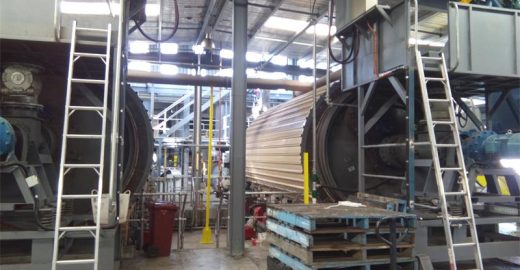
· Product: semi-continuous waste tires pyrolysis plant
· Country: Australia
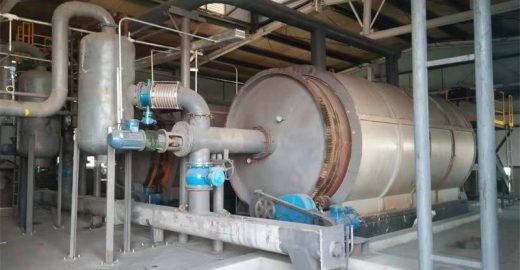
· Nissan: daily capacity 30T
· Country: Lebanon