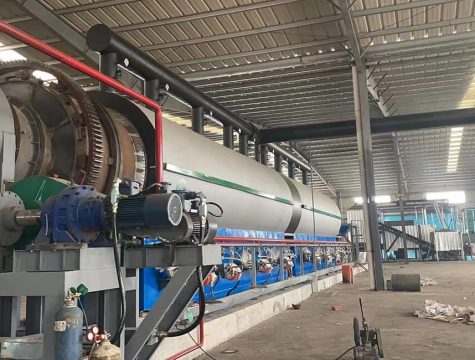
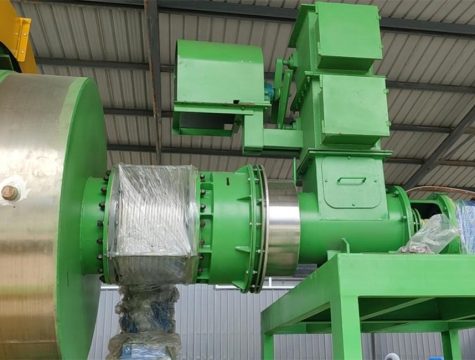
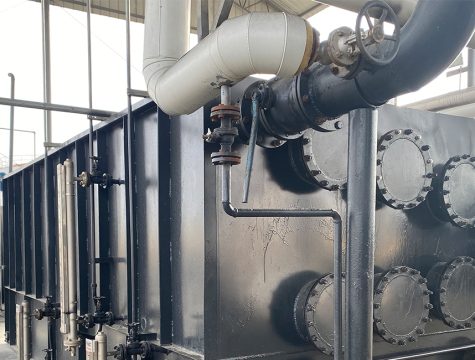
· Product: MJ-15 pyrolysis plant, MJZ-20 distillation plant
· Country: Vietnam
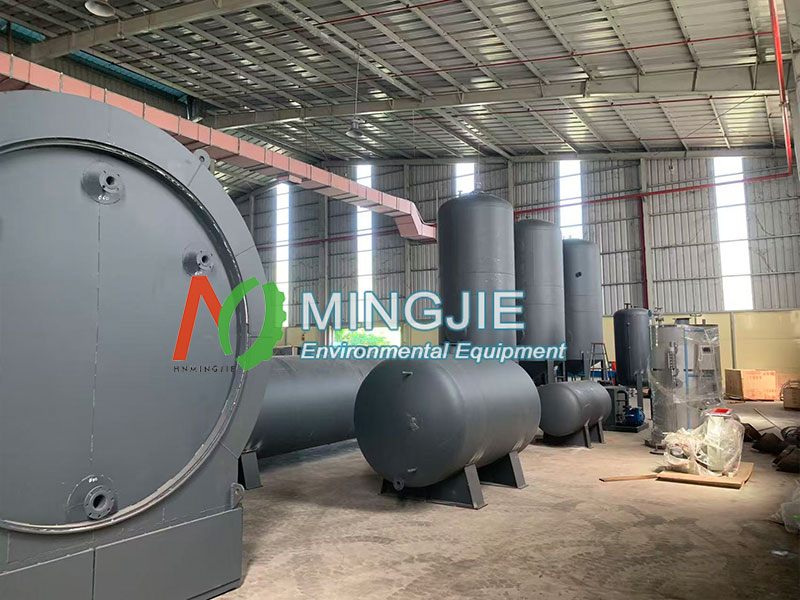
In late July 2026, after our Vietnamese customer received our MJ-15 pyrolysis equipment and MJZ-20 distillation equipment, Mingjie Group dispatched engineers to the site to install the plastic to diesel plant in Vietnam.
The plastic to diesel plant utilizes pyrolysis and distillation technologies to convert waste plastics into high-quality diesel fuel. It provides a practical dual solution to address both plastic waste pollution and energy resource shortages.
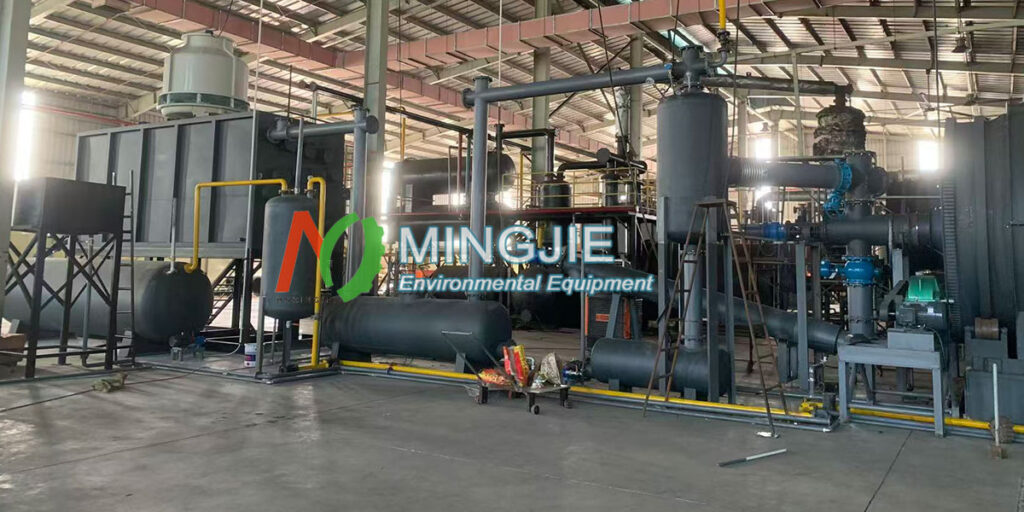
Waste plastics are first pyrolyzed at high temperatures in plastic pyrolysis plant, and the resulting oil and gas are condensed to obtain crude oil. The crude oil is then separated into diesel fractions through distillation plant. Further refining processes, including acid washing, alkali washing, and adsorption, remove impurities such as sulfur, nitrogen, and gum, ultimately producing finished diesel fuel.
A complete waste plastic to diesel plant typically includes the following core units: feeding system, pyrolysis reactor, condensation system, distillation system, refining system, and exhaust gas treatment system.
Feeding System: Uses a screw feeder to achieve closed-loop feeding, preventing air ingress and potential safety hazards.
Pyrolysis Reactor: A rotating reactor with an external heating chamber to ensure uniform heating of the material.
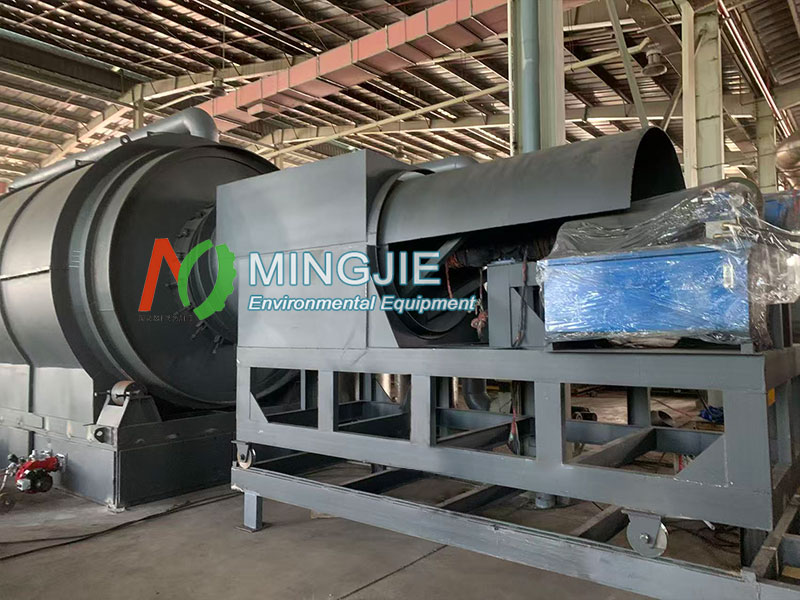
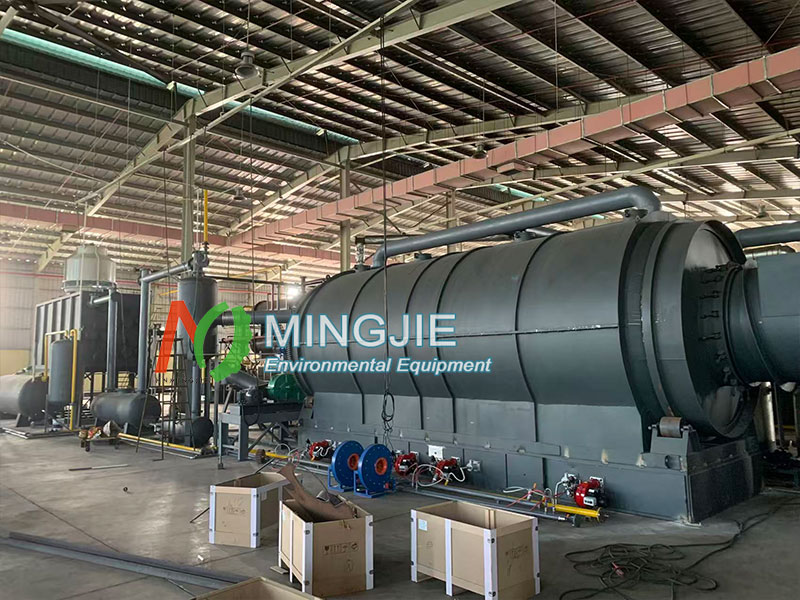
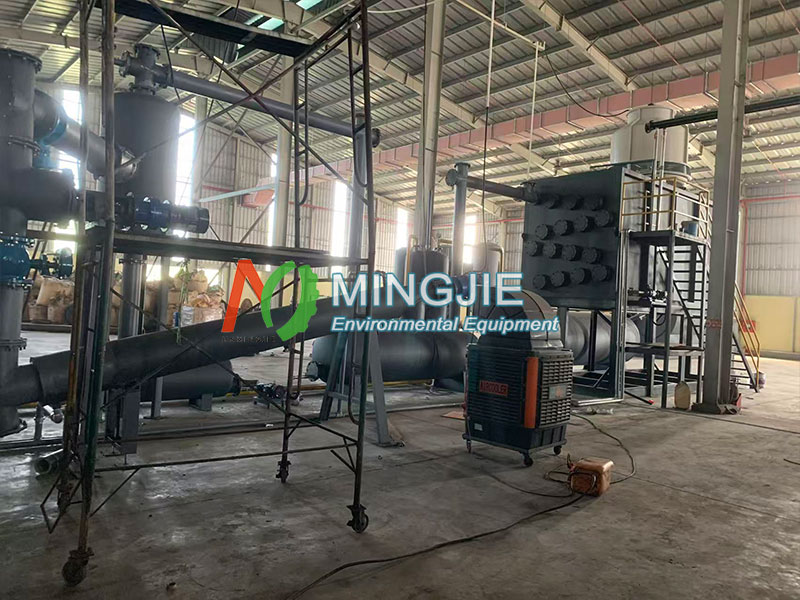
Condensation System: A horizontal composite condenser with indirect cooling via circulating cooling water, rapidly liquefying the mixed oil and gas. A buffer tank and oil-water separator separate free water from crude oil, preventing water from entering the reactor.
Distillation System: Consists of a vacuum distillation reactor, heating device, negative pressure unit, fractionation tower, and condensate collection tank. Low-temperature fractionation under negative pressure precisely cuts the diesel fraction.
Refining Unit: Includes pickling tank, alkali washing tank, and adsorption filter, used to remove sulfides, colloids, and pigments from pyrolysis oil.
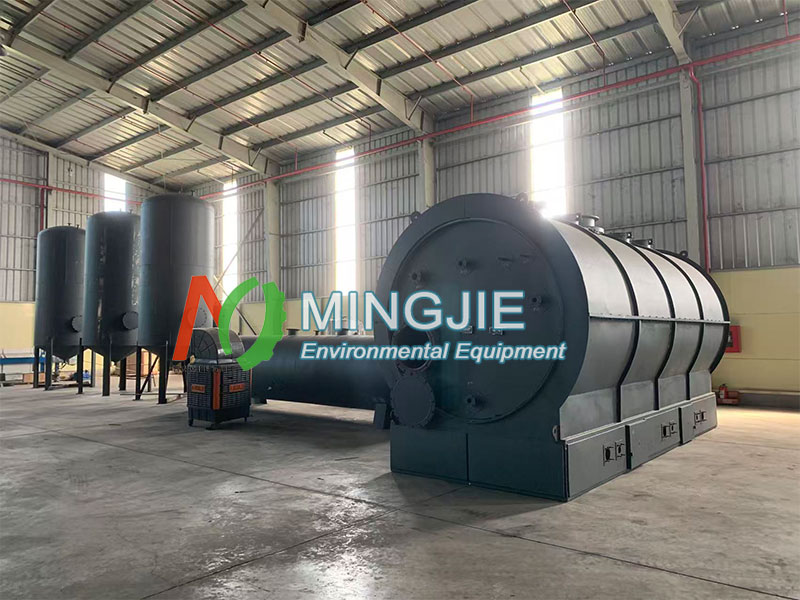
Discharge System: Water-cooled, sealed, and automatically Discharges residual carbon black from pyrolysis, eliminating dust pollution.
Tail Gas Treatment System: The combustion flue gas from the reactor sequentially passes through dust removal, spray washing, and activated carbon adsorption purification systems. Particulate matter, VOC, and dioxin emissions all meet domestic and EU environmental standards.
Intelligent Control System: Precisely controls temperature, pressure, and feed rate to ensure long-term continuous operation.
In plastic to diesel projects, not all plastics are suitable for diesel fuel production. Studies clearly indicate that HDPE (high-density polyethylene), LDPE (low-density polyethylene), and PP (polypropylene) are the most suitable plastics for pyrolysis. PVC (polyvinyl chloride) releases corrosive hydrogen chloride during pyrolysis, requiring controlled hydrogen chloride content or pretreatment. PET (polyester) has a low oil yield and is generally not recommended.
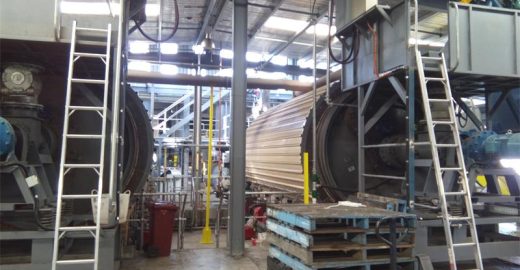
· Product: semi-continuous waste tires pyrolysis plant
· Country: Australia
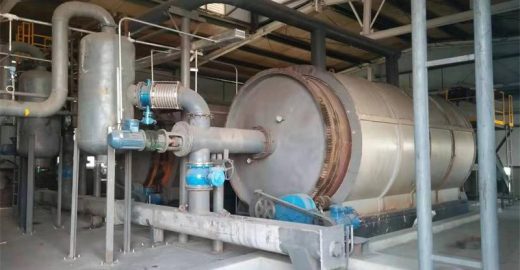
· Nissan: daily capacity 30T
· Country: Lebanon