With its core advantages of harmlessness and resource recovery, the pyrolysis system has become an innovative solution for the green disposal of World Cup event waste. It provides a new path for the environmental upgrading of large-scale international sporting events.
The World Cup, held every four years, is a sporting extravaganza for hundreds of millions of fans worldwide, but also a tremendous environmental challenge. During the event, the massive gatherings of spectators generate enormous amounts of mixed waste. This includes disposable plastic tableware, beverage bottles, food scraps, and paper promotional materials. Traditional landfill and incineration methods are not only inefficient but also easily cause soil, water, and air pollution. This contradicts the green, low-carbon, and sustainable development principles advocated by international sporting events.
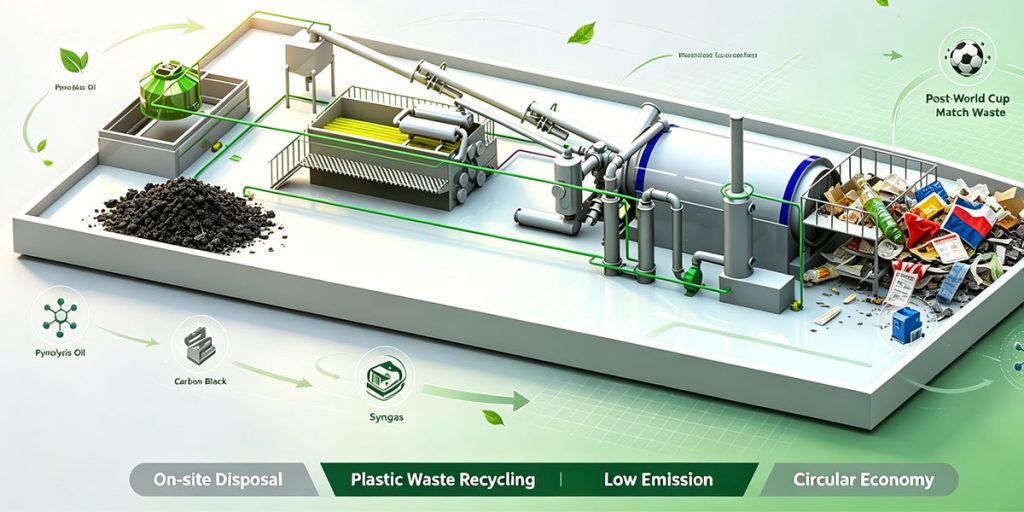
The emergence of pyrolysis plant has precisely addressed the pain points of World Cup waste disposal. Solid waste pyrolysis avoids the pollution shortcomings of traditional treatment processes throughout the entire process, achieving the triple benefits of waste decontamination, volume reduction, and resource recovery.
The pyrolysis system is an advanced solid waste resource recovery technology. Its core principle is to weaken the carbon-carbon and hydrocarbon chemical bonds in the organic matter of the waste through gradient heating in a closed, anaerobic environment, thus directionally breaking down the mixed organic waste. Ultimately, the solid waste is converted into three types of usable resources: pyrolysis oil, syngas, and solid charcoal slag.
The pyrolysis system demonstrates exceptional adaptability to the complex composition of World Cup waste. It efficiently processes various types of event waste without requiring meticulous sorting.
For biomass waste generated from spectators' consumption, pyrolysis system converts it into biochar and combustible fuel.
For difficult-to-recycle mixed plastic waste and composite packaging materials, pyrolysis system can break them down into industrial fuel oil, carbon black, and syngas.
Our pyrolysis equipment is primarily used for the pyrolysis of plastic and rubber products, while our biomass carbonization equipment converts waste biomass into biochar.
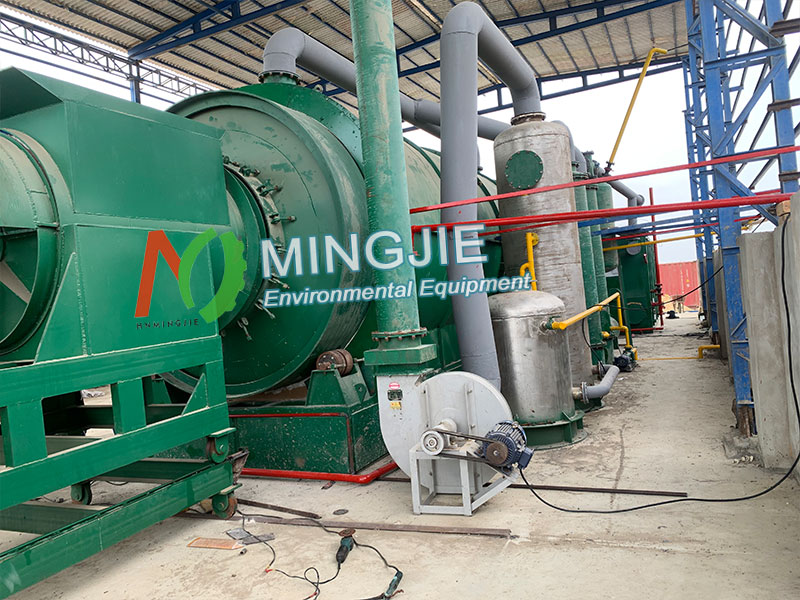
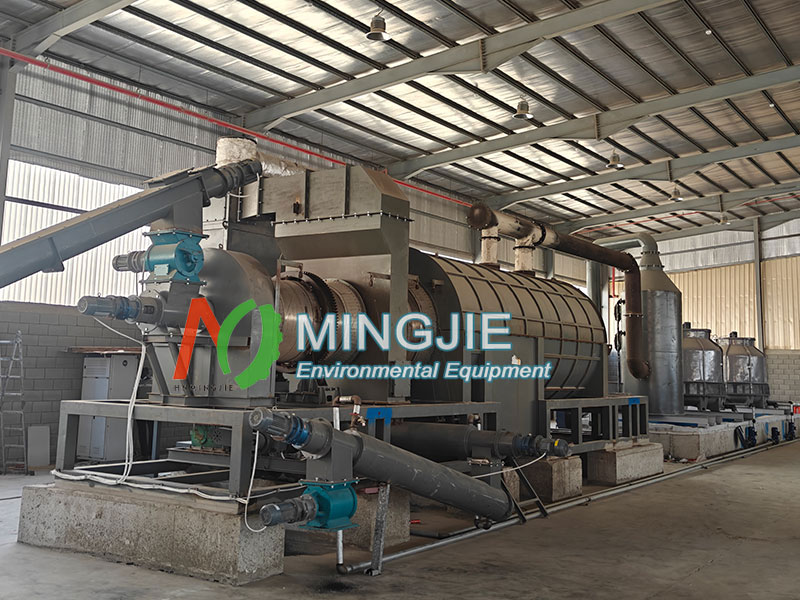
Under the trend of green sporting events, pyrolysis plants for treating World Cup waste possess significant ecological value and exemplary significance.
From an environmental perspective, plastic pyrolysis plant can achieve over 90% reduction in the volume of sporting event waste. This will eliminate waste pollution problems and comprehensively protect the ecological environment of the event host city.
From a resource perspective, pyrolysis technology breaks the vicious cycle of "consumption-waste-pollution" for large-scale sporting events. It transforms waste into clean energy and renewable resources, constructing a closed-loop ecological system of "sporting event waste—pyrolysis conversion—resource reuse."
From an industry perspective, it provides green solutions for solid waste treatment of various large-scale cultural and sports events such as the Olympics, the European Cup, and the Asian Games. This will promote the upgrading of environmental protection systems for large-scale sporting events globally.
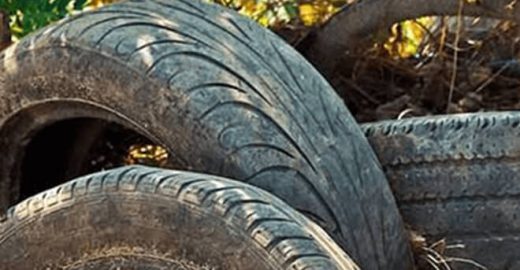
An Australian general waste and tire recycling authoritative body turned to Environment Minister Sussan Ley in November last year with a request to prohibit whole bale tire…
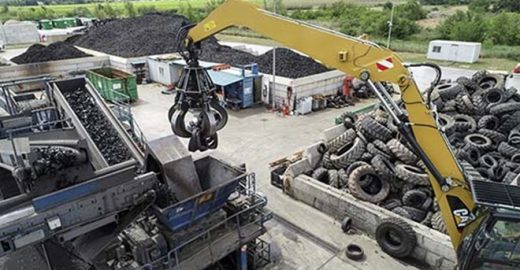
Aliapur – a French end-of-life tire management authority – recently announced a call for applications to participate in a tender to renew end-of-life tire collection and recycling contacts for 2021–2024..