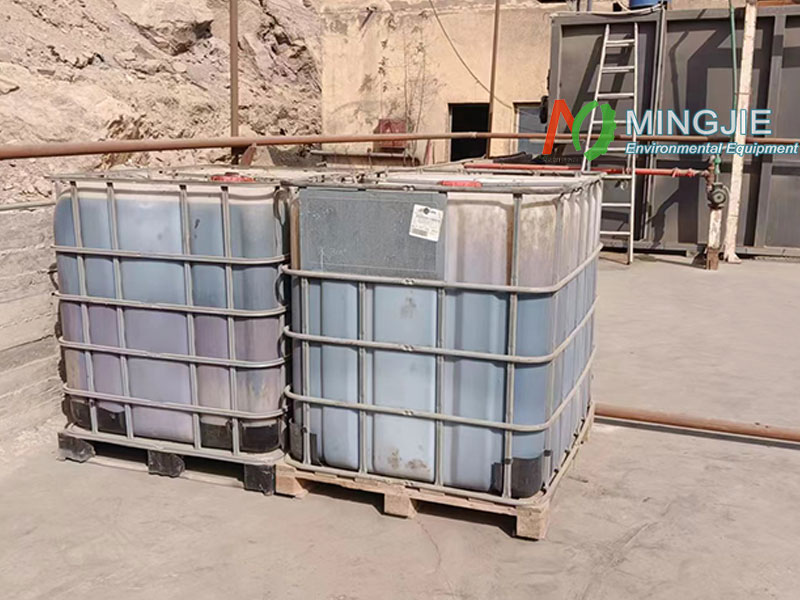
Global crude oil markets currently face extreme price volatility. Geopolitical shifts and supply chain constraints create significant risks for industrial fuel consumers. These fluctuations force modern industries to seek reliable and cost-effective alternative energy sources. Investing in a pyrolysis oil distillation plant offers a strategic hedge against these rising energy costs. This technology successfully processes low-value waste materials into high-purity industrial fuels. Companies can stabilize their energy supplies by utilizing this innovative and efficient equipment. They effectively reduce their reliance on expensive imported crude products and refined petroleum. This proactive approach ensures operational continuity even during major market shifts. Every modern business seeks financial stability in an unpredictable global economy. This plant provides the independence necessary for sustainable long-term industrial growth. It turns hazardous waste streams into a secure and predictable energy supply.
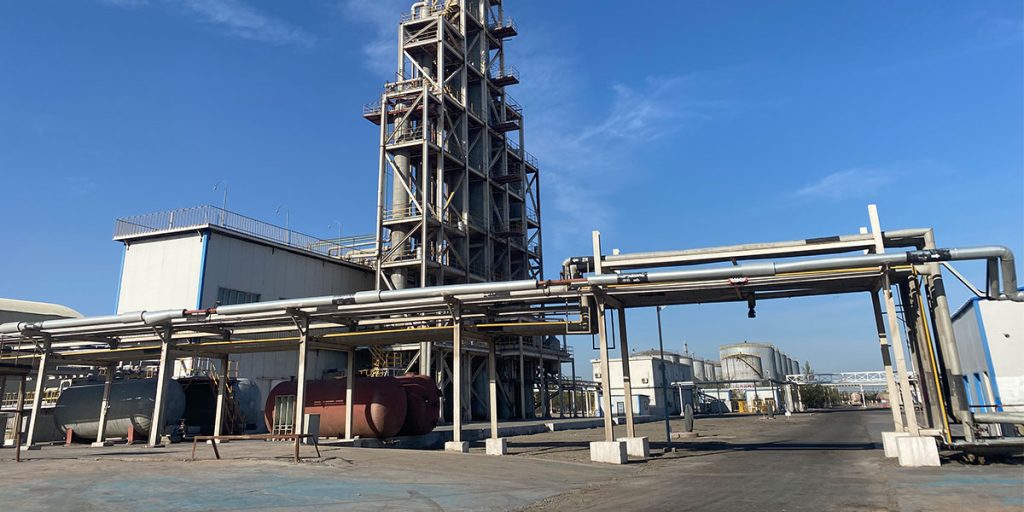
Rising crude oil prices directly increase the market demand for alternative diesel products. Non-standard diesel serves as an essential cost-effective alternative for heavy-load industrial engines. Large maritime ships and diesel power generators require massive fuel volumes for daily operations. Traditional diesel prices often place a severe strain on the operating budgets of these industries. A pyrolysis oil distillation plant meets this growing market need with high precision. It produces a refined fuel product at a significantly lower cost than traditional options. Shipping companies actively seek these alternatives to maintain their narrow profit margins. Power generation facilities use this fuel to lower their overall operational expenses. This high-intent market demand ensures a consistent buyer base for the refined output. Investors find reliable purchasers in the heavy industrial and maritime sectors worldwide.
A pyrolysis oil distillation plant functions as a vital tool for industrial purification. It successfully upgrades low-value raw oils into premium, marketable industrial fuels. Raw pyrolysis oil often contains heavy impurities and exhibits dark, undesirable colors. This equipment separates and refines these raw materials into bright-colored, non-standard diesel. The transition from waste oil to high-grade fuel drives substantial revenue growth for operators. Higher purity levels allow for much broader applications across diverse industrial sectors. Non-standard gasoline represents another valuable product derived from this intensive refining process. Each individual refining step increases the total market value of the processed material. This technology transforms a low-value byproduct into a primary revenue-generating asset. Investors capitalize on the widening price gap between waste materials and refined oil.
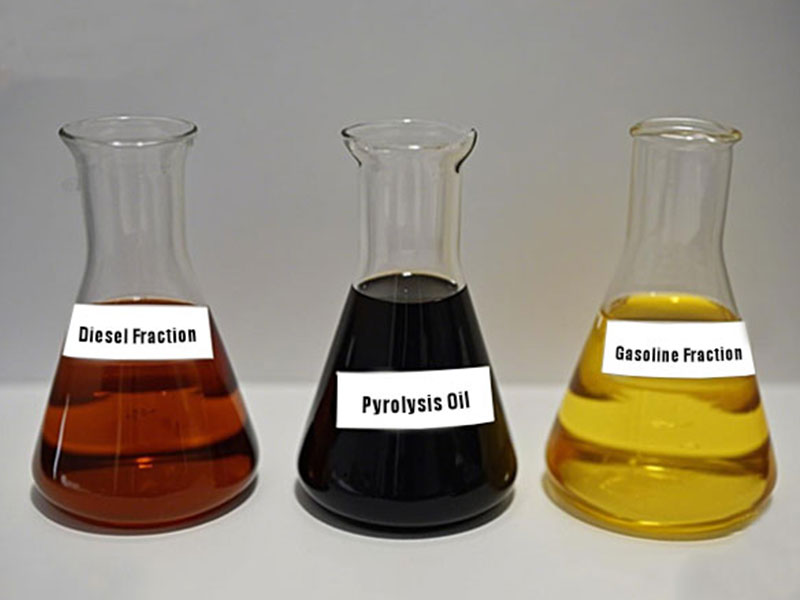
The regeneration process begins with the high-temperature decomposition of waste oil materials. The plant processes engine oil, transformer oil, and used lubricating oils with high efficiency. This distillation stage removes harmful impurities and various chemical pollutants from the feedstock. It recovers useful petroleum components to create a cleaner and more stable fuel product. The pyrolysis oil distillation plant effectively regenerates waste into reusable and valuable energy sources. Advanced systems further separate these materials based on their specific molecular weights. This controlled method ensures the final output meets rigorous industrial purity standards. The process creates a truly sustainable lifecycle for discarded petroleum products. Contaminants remain safely in the heavy byproduct, leaving the fuel clear and clean. This regeneration process gives a second life to hazardous petroleum waste materials.
This advanced plant handles diverse feedstocks including tyre oil and plastic oil. It effectively processes used motor oils collected from various global industrial sources. Pure Polyethylene materials deliver an impressive oil yield between 70% and 80%. These materials include thin films, hand bags, water pipes, and oil drums. Processing Polypropylene materials often results in a consistent 80% oil recovery rate. Common Polypropylene sources include car bumpers, furniture, and durable woven bags. High recovery potential makes these specific plastics ideal for industrial distillation projects. Operators do not strictly need to wash raw materials before the feeding process. However, washing the feedstock significantly improves the quality of the final fuel product. Flexibility in feedstock selection allows for continuous and highly profitable plant operations.
The MJ-2 system offers a robust solution for processing diverse waste plastics. Operators can expect the entire process to finish within approximately 20 hours. The reactor reaches an optimal highest temperature of around 420 ℃ during operation. Feeding one ton of material into the reactor takes about 20 minutes. The core pyrolysis period lasts between four and five hours for each batch. After processing, the reactor requires four hours to cool down safely. Carbon discharging takes one hour before the next cycle begins for the operator. This predictable cycle allows for efficient production planning and resource management. The pyrolysis oil distillation plant integrates perfectly with these existing thermal systems. It takes the output from the reactor and adds significant market value. Consistent temperature control ensures the highest possible quality for the distilled fuel.
The bright-colored fuel oil serves several high-demand and lucrative industrial applications. Heavy-duty ships utilize this non-standard diesel for efficient long-distance maritime transport. Diesel generators rely on this fuel for consistent and affordable power production. The distillation process also yields heavy oil as a useful byproduct for operators. Companies can sell this heavy oil as asphalt for local road construction projects. Alternatively, they can return it to the pyrolysis system for further intensive refining. This operational flexibility maximizes the utility and value of every gallon processed. The marketable products meet the diverse needs of many heavy industrial sectors. Companies also use the output for industrial heating and large-scale boiler fuel. This versatility ensures that the refined products remain in constant high demand.
Acquiring waste plastics and discarded tyres involves very low procurement costs. Used lubricants and engine oils are often available at minimal market prices. In contrast, purified non-standard diesel commands a very high market value today. A pyrolysis oil distillation plant offers a significant and rapid return on investment. It enables the secondary sale of purified energy products to industrial buyers. This strategy protects businesses from sudden and harmful spikes in global oil prices. The profit margin remains consistently high because waste costs stay relatively low. Investors leverage this financial gap to build sustainable and growing wealth. Every gallon of refined oil contributes directly to overall financial stability. This machine turns a waste liability into a highly valuable industrial asset. It transforms complex environmental challenges into lucrative and sustainable business opportunities.
Economic advantages align perfectly with critical global environmental sustainability goals. The plant promotes resource utilization by recycling discarded oils and hazardous waste. It prevents waste materials from entering fragile landfills and sensitive ocean ecosystems. This technology significantly reduces the environmental burden caused by industrial waste streams. Mingjie Group designs systems that achieve a successful closed-loop energy cycle. The distillation process avoids the harmful emissions associated with traditional waste incineration. It supports a circular economy by regenerating essential and finite resources. Reducing CO2 emissions represents a key benefit of adopting this advanced technology. Protecting the environment becomes a core component of overall business success. Sustainable practices ensure a greener and more resilient future for everyone. This technology realizes resource utilization while keeping harmful waste out of landfills.
Partnering with Mingjie Group provides access to over twenty years of manufacturing experience. They are a recognized world leader in the pyrolysis and distillation sector. Their 12,000 square meter workshop uses advanced CNC equipment. Every pyrolysis oil distillation plant meets the highest ISO and CE quality standards. They offer a comprehensive 12-month guarantee on all their industrial machinery. Over 200 customers worldwide trust their reliable and efficient environmental solutions. The company provides proven technical and commercial systems to a global market. Their research team focuses on constant technological innovation and quality control. They have successfully implemented large-scale projects in more than 30 different countries. Partnering with experts ensures your specific project reaches its financial goals efficiently. Their masters have extensive experience in manufacturing high-quality and durable equipment.
Investing in waste oil distillation technology offers clear and long-term economic benefits. It provides a reliable path toward energy independence for various industrial operators. The technology ensures high profitability by converting low-value waste into premium fuel. Businesses can navigate global market instability with much greater financial confidence. Refining pyrolysis oil remains a strategic move for sustainable and resilient growth. This equipment transforms difficult environmental challenges into lucrative and stable business opportunities. It secures a stable future for energy-intensive industrial sectors and companies. Modern corporations must adopt these technologies to stay competitive in today's market. Sustainable refining represents the clear future of the global industrial energy market. This investment supports the global transition to a profitable circular economy. Secure your energy future by choosing advanced refining technology from Mingjie Group today.

Strategic ROI with a Pyrolysis Oil Distillation Plant: Industrial Waste Refining Solutions
Refine waste oil into high-purity non-standard diesel. Discover how a pyrolysis oil distillation plant creates value, energy independence, and high ROI.
Global crude oil markets currently face extreme price volatility. Geopolitical shifts and supply chain constraints create significant risks for industrial fuel consumers. These fluctuations force modern industries to seek reliable and cost-effective alternative energy sources. Investing in a pyrolysis oil distillation plant offers a strategic hedge against these rising energy costs. This technology successfully processes low-value waste materials into high-purity industrial fuels. Companies can stabilize their energy supplies by utilizing this innovative and efficient equipment. They effectively reduce their reliance on expensive imported crude products and refined petroleum. This proactive approach ensures operational continuity even during major market shifts. Every modern business seeks financial stability in an unpredictable global economy. This plant provides the independence necessary for sustainable long-term industrial growth. It turns hazardous waste streams into a secure and predictable energy supply.
Rising crude oil prices directly increase the market demand for alternative diesel products. Non-standard diesel serves as an essential cost-effective alternative for heavy-load industrial engines. Large maritime ships and diesel power generators require massive fuel volumes for daily operations. Traditional diesel prices often place a severe strain on the operating budgets of these industries. A pyrolysis oil distillation plant meets this growing market need with high precision. It produces a refined fuel product at a significantly lower cost than traditional options. Shipping companies actively seek these alternatives to maintain their narrow profit margins. Power generation facilities use this fuel to lower their overall operational expenses. This high-intent market demand ensures a consistent buyer base for the refined output. Investors find reliable purchasers in the heavy industrial and maritime sectors worldwide.
A pyrolysis oil distillation plant functions as a vital tool for industrial purification. It successfully upgrades low-value raw oils into premium, marketable industrial fuels. Raw pyrolysis oil often contains heavy impurities and exhibits dark, undesirable colors. This equipment separates and refines these raw materials into bright-colored, non-standard diesel. The transition from waste oil to high-grade fuel drives substantial revenue growth for operators. Higher purity levels allow for much broader applications across diverse industrial sectors. Non-standard gasoline represents another valuable product derived from this intensive refining process. Each individual refining step increases the total market value of the processed material. This technology transforms a low-value byproduct into a primary revenue-generating asset. Investors capitalize on the widening price gap between waste materials and refined oil.
The regeneration process begins with the high-temperature decomposition of waste oil materials. The plant processes engine oil, transformer oil, and used lubricating oils with high efficiency. This distillation stage removes harmful impurities and various chemical pollutants from the feedstock. It recovers useful petroleum components to create a cleaner and more stable fuel product. The pyrolysis oil distillation plant effectively regenerates waste into reusable and valuable energy sources. Advanced systems further separate these materials based on their specific molecular weights. This controlled method ensures the final output meets rigorous industrial purity standards. The process creates a truly sustainable lifecycle for discarded petroleum products. Contaminants remain safely in the heavy byproduct, leaving the fuel clear and clean. This regeneration process gives a second life to hazardous petroleum waste materials.
This advanced plant handles diverse feedstocks including tyre oil and plastic oil. It effectively processes used motor oils collected from various global industrial sources. Pure Polyethylene materials deliver an impressive oil yield between 70% and 80%. These materials include thin films, hand bags, water pipes, and oil drums. Processing Polypropylene materials often results in a consistent 80% oil recovery rate. Common Polypropylene sources include car bumpers, furniture, and durable woven bags. High recovery potential makes these specific plastics ideal for industrial distillation projects. Operators do not strictly need to wash raw materials before the feeding process. However, washing the feedstock significantly improves the quality of the final fuel product. Flexibility in feedstock selection allows for continuous and highly profitable plant operations.
The MJ-2 system offers a robust solution for processing diverse waste plastics. Operators can expect the entire process to finish within approximately 20 hours. The reactor reaches an optimal highest temperature of around 420 ℃ during operation. Feeding one ton of material into the reactor takes about 20 minutes. The core pyrolysis period lasts between four and five hours for each batch. After processing, the reactor requires four hours to cool down safely. Carbon discharging takes one hour before the next cycle begins for the operator. This predictable cycle allows for efficient production planning and resource management. The pyrolysis oil distillation plant integrates perfectly with these existing thermal systems. It takes the output from the reactor and adds significant market value. Consistent temperature control ensures the highest possible quality for the distilled fuel.
The bright-colored fuel oil serves several high-demand and lucrative industrial applications. Heavy-duty ships utilize this non-standard diesel for efficient long-distance maritime transport. Diesel generators rely on this fuel for consistent and affordable power production. The distillation process also yields heavy oil as a useful byproduct for operators. Companies can sell this heavy oil as asphalt for local road construction projects. Alternatively, they can return it to the pyrolysis system for further intensive refining. This operational flexibility maximizes the utility and value of every gallon processed. The marketable products meet the diverse needs of many heavy industrial sectors. Companies also use the output for industrial heating and large-scale boiler fuel. This versatility ensures that the refined products remain in constant high demand.
Acquiring waste plastics and discarded tyres involves very low procurement costs. Used lubricants and engine oils are often available at minimal market prices. In contrast, purified non-standard diesel commands a very high market value today. A pyrolysis oil distillation plant offers a significant and rapid return on investment. It enables the secondary sale of purified energy products to industrial buyers. This strategy protects businesses from sudden and harmful spikes in global oil prices. The profit margin remains consistently high because waste costs stay relatively low. Investors leverage this financial gap to build sustainable and growing wealth. Every gallon of refined oil contributes directly to overall financial stability. This machine turns a waste liability into a highly valuable industrial asset. It transforms complex environmental challenges into lucrative and sustainable business opportunities.
Economic advantages align perfectly with critical global environmental sustainability goals. The plant promotes resource utilization by recycling discarded oils and hazardous waste. It prevents waste materials from entering fragile landfills and sensitive ocean ecosystems. This technology significantly reduces the environmental burden caused by industrial waste streams. Mingjie Group designs systems that achieve a successful closed-loop energy cycle. The distillation process avoids the harmful emissions associated with traditional waste incineration. It supports a circular economy by regenerating essential and finite resources. Reducing CO2 emissions represents a key benefit of adopting this advanced technology. Protecting the environment becomes a core component of overall business success. Sustainable practices ensure a greener and more resilient future for everyone. This technology realizes resource utilization while keeping harmful waste out of landfills.
Partnering with Mingjie Group provides access to over twenty years of manufacturing experience. They are a recognized world leader in the pyrolysis and distillation sector. Their 12,000 square meter workshop uses advanced CNC equipment. Every pyrolysis oil distillation plant meets the highest ISO and CE quality standards. They offer a comprehensive 12-month guarantee on all their industrial machinery. Over 200 customers worldwide trust their reliable and efficient environmental solutions. The company provides proven technical and commercial systems to a global market. Their research team focuses on constant technological innovation and quality control. They have successfully implemented large-scale projects in more than 30 different countries. Partnering with experts ensures your specific project reaches its financial goals efficiently. Their masters have extensive experience in manufacturing high-quality and durable equipment.
Investing in waste oil distillation technology offers clear and long-term economic benefits. It provides a reliable path toward energy independence for various industrial operators. The technology ensures high profitability by converting low-value waste into premium fuel. Businesses can navigate global market instability with much greater financial confidence. Refining pyrolysis oil remains a strategic move for sustainable and resilient growth. This equipment transforms difficult environmental challenges into lucrative and stable business opportunities. It secures a stable future for energy-intensive industrial sectors and companies. Modern corporations must adopt these technologies to stay competitive in today's market. Sustainable refining represents the clear future of the global industrial energy market. This investment supports the global transition to a profitable circular economy. Secure your energy future by choosing advanced refining technology from Mingjie Group today.
An Australian general waste and tire recycling authoritative body turned to Environment Minister Sussan Ley in November last year with a request to prohibit whole bale tire…
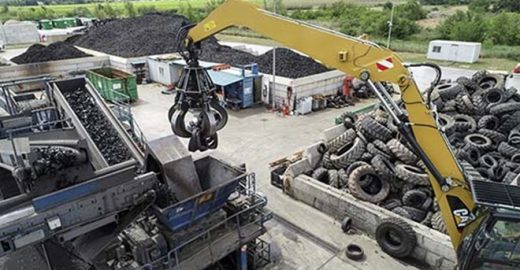
Aliapur – a French end-of-life tire management authority – recently announced a call for applications to participate in a tender to renew end-of-life tire collection and recycling contacts for 2021–2024..