The Philippines faces a massive waste management crisis that demands immediate attention from all sectors. Mountainous landfills threaten local ecosystems and the health of surrounding communities every day. Traditional disposal methods fail to keep pace with the rapid growth of our modern cities. The nation must adopt the "Zero Waste" initiative quickly to protect its natural beauty. Municipal Solid Waste Pyrolysis Plants offer a sustainable and vital technological solution for this challenge. These specialized systems turn common garbage into valuable industrial resources for various sectors. This shift promotes long-term industrial growth across the entire Philippine archipelago. We must act now to preserve our environment for future generations. High-tech waste processing protects our oceans and land from dangerous pollutants. Innovative solutions replace outdated dumping practices in every modern province.
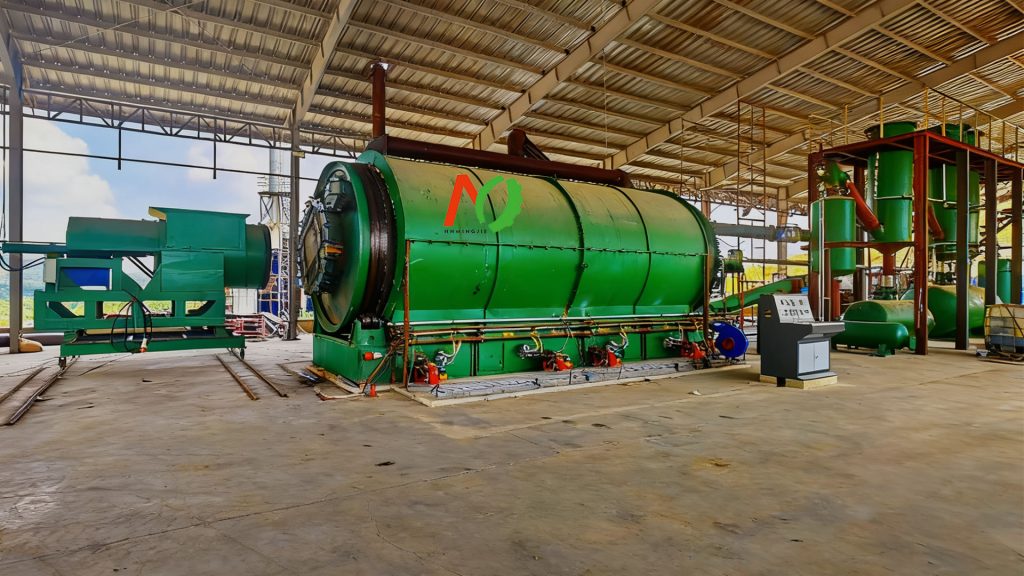
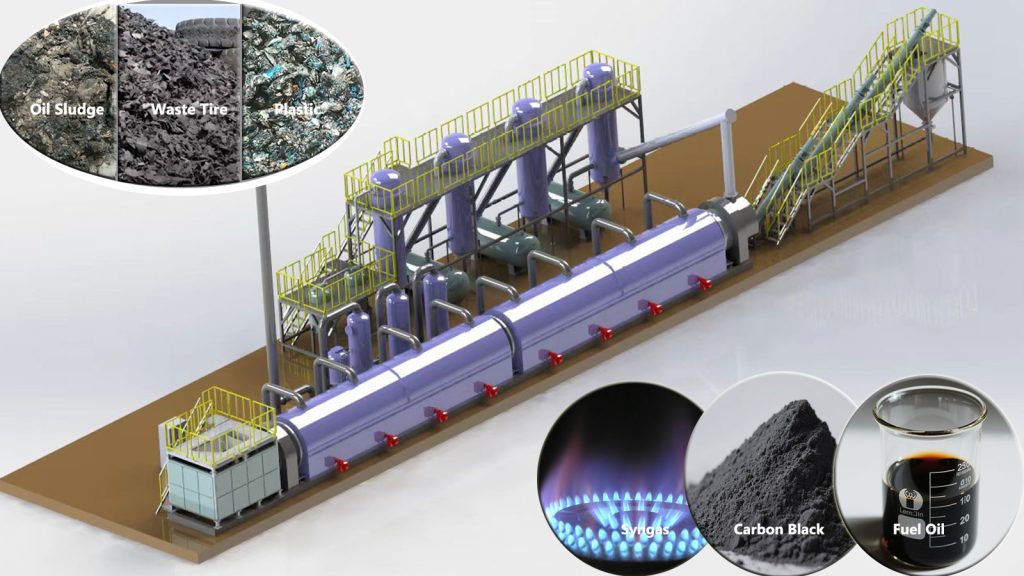
The pyrolysis process operates effectively within a strictly oxygen-deficient environment. High heat reaches approximately 420°C to break down organic matter without any combustion. The system transforms mixed waste into fuel oil and high-calorific syngas. It also produces a solid residue known as carbon black. This method differs significantly from the process of direct incineration. It prevents the uncontrolled burning of toxic materials and dangerous plastics. The technology converts diverse waste streams into usable energy for local factories.
Mingjie Group provides reliable pyrolysis equipment for this advanced thermal decomposition process. These Municipal Solid Waste Pyrolysis Plants generate sustainable products for the growing local economy. The pyrolysis system ensures a closed loop for all processed waste materials. It maximizes resource recovery while significantly minimizing long-term environmental damage.
Pyrolysis offers major environmental advantages over traditional mass-burn incineration methods. Municipal Solid Waste Pyrolysis Plants significantly reduce the emission of harmful dioxins. They also maintain much lower levels of NOx and SO2 output. Pyrolysis produces syngas with higher energy content than traditional gasification methods. These systems provide a safer and cleaner alternative to old mass-burn facilities. We achieve national environmental goals through advanced and precise thermal engineering. These plants avoid the generation of harmful greenhouse gases during operation. They contribute to a greener and healthier future for the entire country.
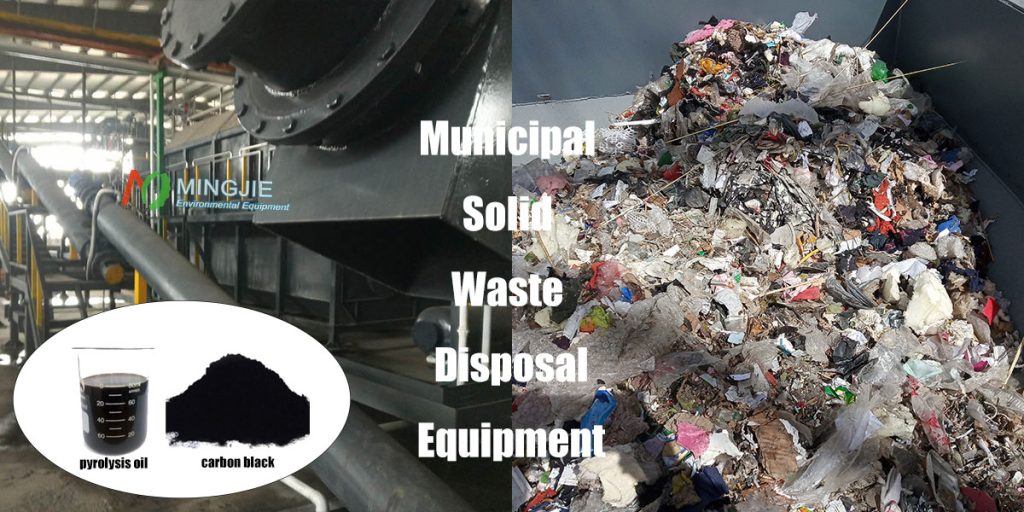
Mingjie pyrolysis plant can process municipal solid waste, waste tires, and mixed plastics. It also manages hazardous oil sludge and specialized medical waste. The pyrolysis system effectively processes medical waste and wind turbine blades as well. Workers must perform pre-sorting to remove inert materials from the raw waste. This important step removes heavy glass, stones, and other non-organic items. It also extracts metals for separate recycling and secondary sale. Proper pre-sorting ensures the highest level of machine performance and longevity. Municipal Solid Waste Pyrolysis Plants manage complex waste mixtures with great efficiency. This versatility makes the technology ideal for diverse Philippine urban centers. The systems handle varying feedstocks without damaging the internal reactor components.
Pyrolysis yields high-value outputs from various plastic and rubber materials. Pure PE and PP plastics offer the greatest financial returns for investors. These specific materials provide a significant oil yield of 70% to 80%. Processing 1000kg of pure PP produces exactly 800kg of fuel oil. Investors sell this fuel oil for a significant profit in industrial markets. High yields ensure the waste project remains financially viable for many years. The process turns difficult environmental problems into clear economic opportunities. Waste becomes a reliable and constant source of industrial heating fuel. The system also generates high-calorific syngas to power the heating process. Municipal Solid Waste Pyrolysis Plants create immense value from discarded plastic packaging. This secondary sale creates a strong financial incentive for local private investors.
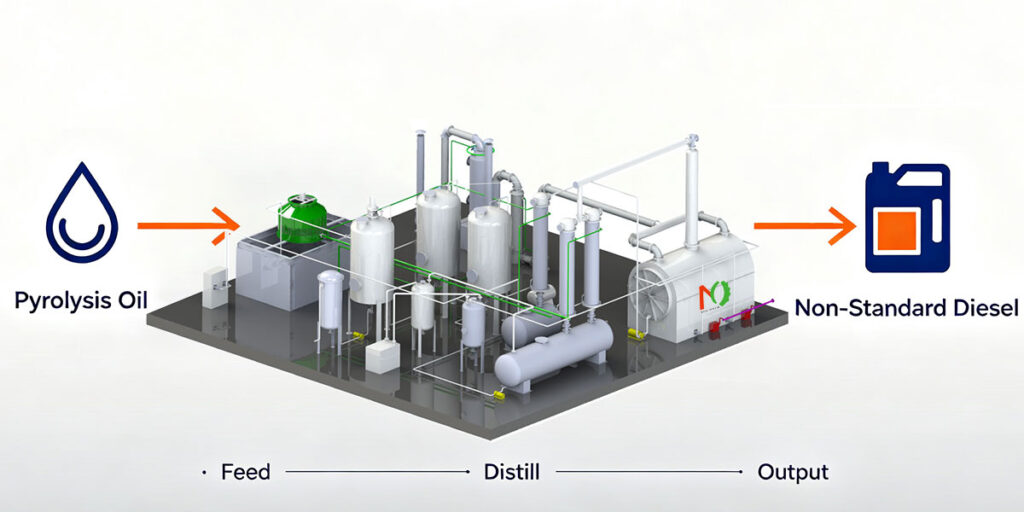
Mingjie Pyrolysis Oil Distillation Plant further refines the crude pyrolysis oil from waste plastics. It purifies dark raw oil into bright non-standard diesel or gasoline. The distillation process removes heavy impurities and various pollutants from the oil. This light fraction oil powers heavy-load low-speed diesel engines efficiently. It works perfectly for maritime ships and large industrial diesel generators. Distillation adds significant value to the initial output of Municipal Solid Waste Pyrolysis Plants. The process also handles waste engine oil and used transformer oil. It transforms hazardous waste fluids into high-quality and useful energy sources. Every liter of refined fuel reduces the local dependency on imported petroleum. The plant also produces asphalt as a byproduct from the heavy oil leftovers. Investors either sell this asphalt or re-refine it for further use.
The Philippines can solve its growing waste crisis through advanced technological adoption. Modern pyrolysis technology transforms common trash into clean energy and wealth. Municipal Solid Waste Pyrolysis Plants lead this essential environmental and industrial revolution. They offer a clean path toward a truly sustainable national future. We can reduce pollution while creating valuable non-standard diesel fuel. This approach directly supports the ambitious national Zero Waste goals. Innovation turns the massive waste crisis into a profitable industrial opportunity. Investors gain high returns from renewable energy products and biochar. This technology creates a cleaner and healthier world for every Filipino. Municipal Solid Waste Pyrolysis Plants provide the ultimate solution for sustainable waste management in the Philippines.
The circular economy provides consistent new revenue streams for smart investors. Selling carbon black and fuel oil generates steady income for the plant operators. Municipal Solid Waste Pyrolysis Plants significantly lower the total waste treatment costs. They reduce the urgent need for expensive and expansive new landfills. This technology turns an environmental liability into a highly profitable asset. Local governments save money on waste management and logistics every year. The system provides high returns on all green environmental investments. It fosters industrial growth while cleaning the natural Philippine landscape. This model builds a sustainable financial future for the waste management sector. Investors sell carbon black as industrial fillers for the rubber industry. These economic benefits support long-term national development and job creation.
Investors choose between different operational systems based on their specific local needs. Batch pyrolysis plants process between 2 and 15 tons of waste every day. These units suit small-scale or medium-scale waste projects in rural areas.
Semi-continuous pyrolysis systems process up to 16 tons of tires or 12 tons of plastics. They feature automatic feeding systems that operate at very high temperatures.
Fully automatic pyrolysis plants operate 24 hours a day. These advanced plants process up to 40 tons of tires daily. They handle 30 tons of waste plastics within the same 24-hour period. Large cities benefit most from this fully continuous and automated technology. Continuous feeding and discharging maximize the total daily throughput for urban centers. These industrial systems scale effectively for the large populations of Manila or Cebu.
Mingjie Group is a global leader in the pyrolysis industry, with over 20 years of experience in professional equipment manufacturing. The factory covers 12,000 square meters, and all equipment is ISO and CE certified. Mingjie has successfully implemented projects in more than 30 countries worldwide.
Mingjie provides technically and commercially proven, mature equipment suitable for various types of waste treatment, offering customized solutions for its clients. Its global expertise and efficient waste treatment systems have earned the trust of its customers.
Advanced carbonization technology expands the total scope of national waste management. Biomass carbonization plants process bamboo, wood waste, and agricultural scrap. These systems convert organic waste into high-quality industrial biochar. This process reduces greenhouse gas emissions and supports the carbon cycle. Biochar serves as an excellent soil conditioner for local Philippine farms. It also works as an effective carrier for specialized organic fertilizers. This technology promotes healthy carbon circulation within the natural ecosystem. It prevents the environmental dangers associated with traditional biomass incineration. Sustainable biochar production revitalizes local rural economies in the provinces. Rice husks and coconut shells become valuable biochar through this process. Municipal Solid Waste Pyrolysis Plants integrate with biomass systems to create a total solution.
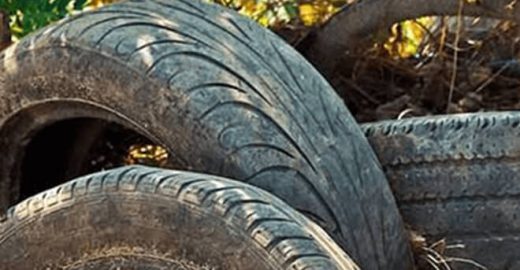
An Australian general waste and tire recycling authoritative body turned to Environment Minister Sussan Ley in November last year with a request to prohibit whole bale tire…
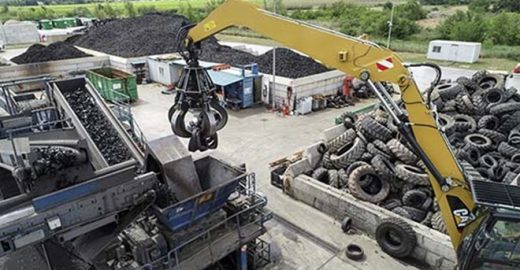
Aliapur – a French end-of-life tire management authority – recently announced a call for applications to participate in a tender to renew end-of-life tire collection and recycling contacts for 2021–2024..