Global shipping industries face rising fuel costs and supply shortages today. Ship owners urgently need affordable and reliable energy alternatives for their fleets. The Waste Oil Distillation Plant provides a strategic solution for this pressing resource problem. This technology converts common industrial waste into high-purity fuel oils for ships. Companies now transition from simple waste management to active energy production. This change helps the environment and improves corporate profitability simultaneously. Recovering resources from waste oil reduces the global need for new crude oil. It transforms a costly liability into a high-value asset for many organizations. Modern facilities prioritize resource recovery over simple disposal methods. This shift addresses global fuel shortages and protects our natural ecosystems. Managers gain a competitive edge by producing their own fuels locally. High-quality fuel production from waste supports a stable global supply chain.
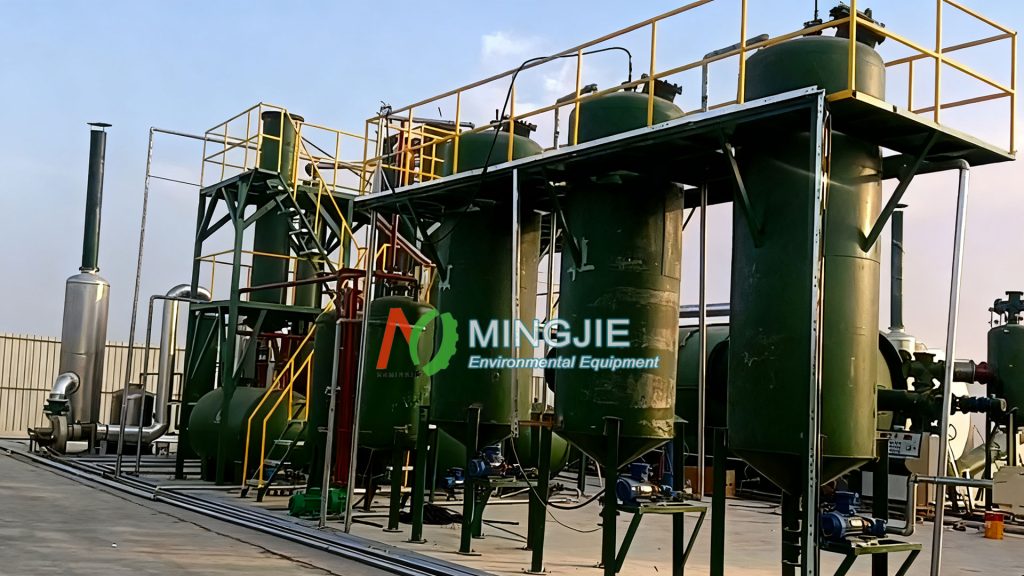
The distillation process regenerates various types of used oils through thermal separation. The Waste Oil Distillation Plant uses high heat to boil waste liquids inside a reactor. Operators maintain the system at an optimal operating temperature of 420°C. This intense heat turns the liquid oil into a clean vapor. The system then condenses these vapors back into a purified liquid state. This method separates useful fuel components from heavy sludge and pollutants. The equipment cleans waste engine oil and used transformer oil effectively. It also purifies waste lubricating oil into bright non-standard diesel. This high-purity result allows for wide use in demanding industrial applications. The final product meets the high standards of the modern maritime industry. Each stage of the process ensures a high-quality light fraction oil output. Purification removes hazardous contaminants that damage high-performance diesel engines.
Modern distillation systems accept a wide range of organic waste inputs for processing. The Pyrolysis Oil Distillation Plant handles raw pyrolysis oil and heavy lubricants. It also processes used fuel oils from various industrial sources efficiently. PP and PE plastics serve as excellent precursors for high-yield fuel production. PE plastics include thin films, bottles, and electrical insulating materials. Hand bags and oil drums also provide good results for refinery operators. Pure PE yields between 700 and 800 kilograms of oil per ton. PP materials include ropes, furniture, and woven bags for the system. Car bumpers and bottle caps also work well as feedstock. One ton of pure PP produces about 800 kilograms of fuel oil. The plant creates a unified energy product from these diverse waste sources. Diverse feedstocks ensure a steady production of maritime fuel throughout the year.
The distillation process can convert pyrolysis oil into high-purity non-standard diesel and non-standard gasoline fractions. This bright-colored fuel oil has a high commercial and functional value today. The Waste Oil Distillation Plant produces fuel specifically for heavy-load diesel engines. Maritime vessels utilize this light fraction oil for long-distance ocean transport. Diesel generators also run efficiently on this alternative energy source in remote areas. The fuel provides high calorific value for heating and industrial heating needs. It offers a clean alternative to traditional heavy fuel oil products. Engines maintain better performance with this purified and high-quality fuel source. The technology ensures a steady supply of energy for the vital shipping sector. Investors value the visual clarity and high performance of the final oil. The distillation unit effectively removes the dark color from raw pyrolysis oil. Clean fuel burning reduces the buildup of soot in engine cylinders.
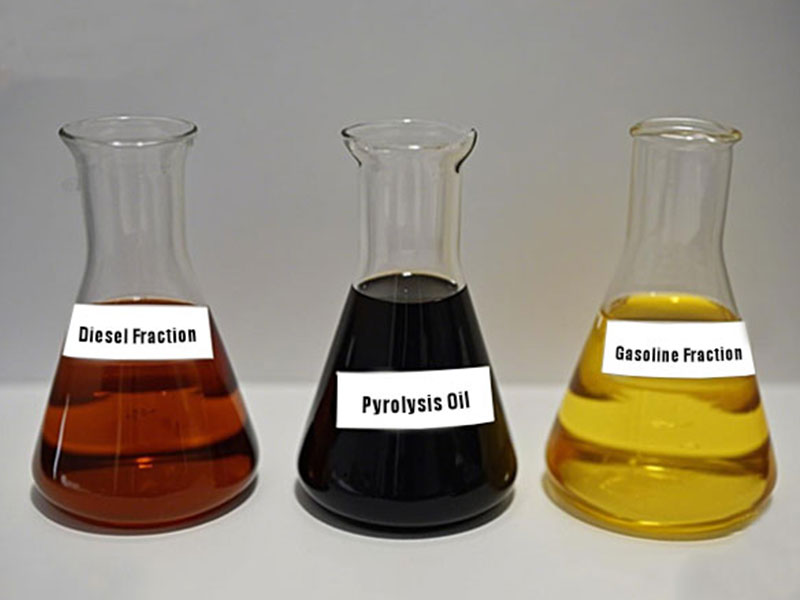
The Waste Oil Distillation Plant often acts as a post-treatment system for pyrolysis plant. Tires and plastics enter a pyrolysis reactor to produce raw liquid oil first. Distillation then refines this oil for much higher purity levels. Raw pyrolysis oil often contains impurities that limit its general industrial use. Distillation upgrades this low-value material into high-grade non-standard diesel.
This two-step process maximizes the profitability of waste recycling facilities everywhere. Operators can recycle heavy oil residuals back into the pyrolysis machine easily. They can also sell the heavy oil as asphalt on local markets. This approach creates a closed-loop system for modern waste management projects. The technology turns solid waste into high-value energy products with high efficiency. Low-oxygen environments inside the reactor prevent unwanted chemical reactions during processing. Synergistic systems provide a complete solution for large-scale waste-to-energy projects.
Investors gain high returns by converting waste into valuable energy products. The Waste Oil Distillation Plant helps organizations achieve sustainable development goals. This technology reduces the need for landfills and expensive waste disposal services. The process produces fewer harmful emissions than traditional waste incineration methods. It generates less dioxins, NOx, and SO2 during the refining stage. The system also helps to lower the overall CO2 footprint of industrial facilities. Converting oil sludge and medical waste into fuel protects the environment from pollution. Value-added products from waste create new revenue streams for local and regional economies. A circular economy becomes possible through these advanced and innovative recovery technologies. High yields and low operational costs drive profitability for plant owners. Carbon sequestration through biochar production further enhances the environmental value. Sustainable energy solutions reduce the global reliance on traditional fossil fuels.
Long-term operational efficiency requires a commitment to regular machine maintenance tasks. Operators must perform weekly checks on all wearing parts and lubricants. The Waste Oil Distillation Plant requires a thorough cleaning every single month. Following these professional guidelines ensures the safety and longevity of the equipment. Mingjie Group provides a 12-month guarantee from the date of final acceptance. The contract covers quality issues resolved at the company's own expense. Technical support helps operators maintain consistent production of quality maritime fuels. Proper care prevents unexpected downtime and maximizes the total return on investment. High-quality after-sales service builds strong relationships with customers around the world. Trained technicians ensure the plant operates at peak performance throughout its life. Specific maintenance for continuous machines differs from batch processing maintenance needs. Regular cleaning prevents the accumulation of carbon deposits inside the distillation reactor.
The future of maritime fuel lies in innovative and sustainable alternatives. Non-standard diesel offers a viable path for the global shipping industry today. The Waste Oil Distillation Plant bridges the gap between waste and energy needs. Innovation continues to drive the growth of the green maritime sector globally. Industries decrease their reliance on fossil fuels by refining waste oils locally. This technology supports the global transition toward a carbon-neutral future for transport. Businesses can achieve energy security while protecting the natural environment every day. The maritime sector can thrive by adopting these advanced and clean recycling solutions. Resource recovery provides a stable foundation for the next generation of shipping fuels. Innovation ensures a sustainable future through the implementation of the Waste Oil Distillation Plant.

An Australian general waste and tire recycling authoritative body turned to Environment Minister Sussan Ley in November last year with a request to prohibit whole bale tire…
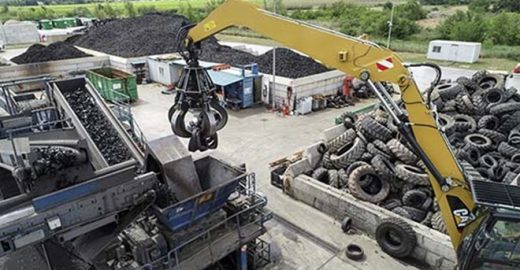
Aliapur – a French end-of-life tire management authority – recently announced a call for applications to participate in a tender to renew end-of-life tire collection and recycling contacts for 2021–2024..