Arid regions in Africa face severe land degradation through spreading desertification. This process destroys fertile soil and threatens local agricultural production. A biomass carbonization plant provides a sustainable technological solution for soil restoration. It utilize advanced pyrolysis to convert organic waste into high-purity biochar. This biochar plant helps rebuild necessary nutrients in depleted African soil, serves as a cornerstone for sustainable agriculture.
Biochar is a carbon-rich porous material produced by the high-temperature pyrolysis of biomass under anaerobic or hypoxic conditions. It possesses exceptional soil-improving, carbon sequestration, water and fertilizer retention properties, and its stable carbon structure allows it to be stored in soil for thousands of years.
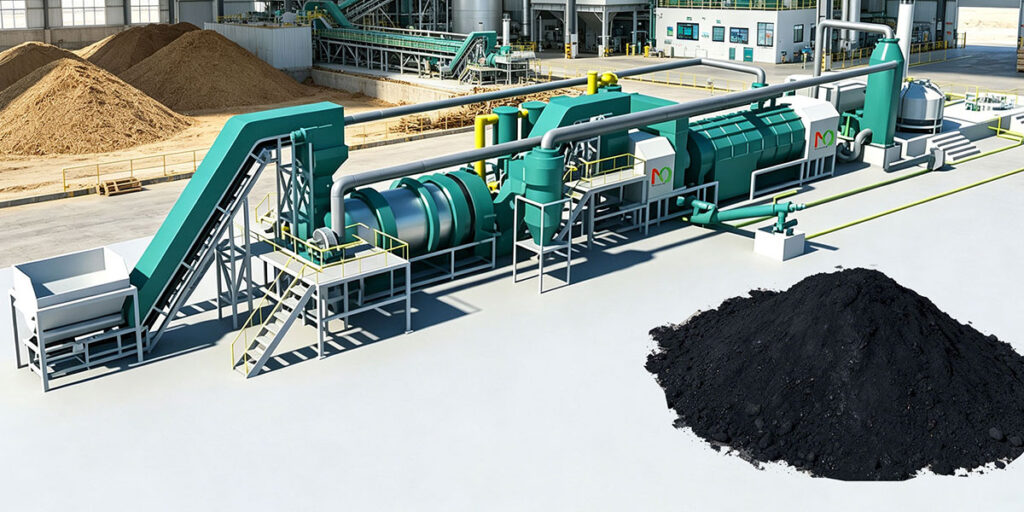
The biomass carbonization plant creates biochar that serves as an excellent soil conditioner. Biochar improves water retention in the sandy soils of arid African regions. It acts as a reliable fertilizer carrier to boost crop yields. A biochar plant helps restore the natural carbon cycle in depleted land. Carbon sequestration through biochar production reduces the overall environmental impact of farming. This product has high market demand for various industrial applications. Local enterprises use the biomass carbonization plant to generate additional income streams. Biochar production aligns with the principles of a sustainable circular economy. It transforms agricultural waste into a high-value commodity for local markets.
The biomass carbonization plant is available in various operational configurations. Skid-mounted systems serve as portable verification machines for smaller testing projects. These units handle dry materials like bamboo chips with 15 percent moisture. Fully automatic systems enable continuous feeding and discharging over 24 hours. A professional biomass carbonization plant maintains a reactor temperature around 420 degrees Celsius. This optimal heat ensures the high quality of the resulting biochar.
Our fully automatic biochar production plant can process 30 to 50 tons waste biomass daily. Every biomass plant includes a water-cooled automatic slag discharge system. This design prevents fly ash and maintains a very clean environment. Mingjie ensures that every biomass carbonization plant carries CE and ISO certifications.
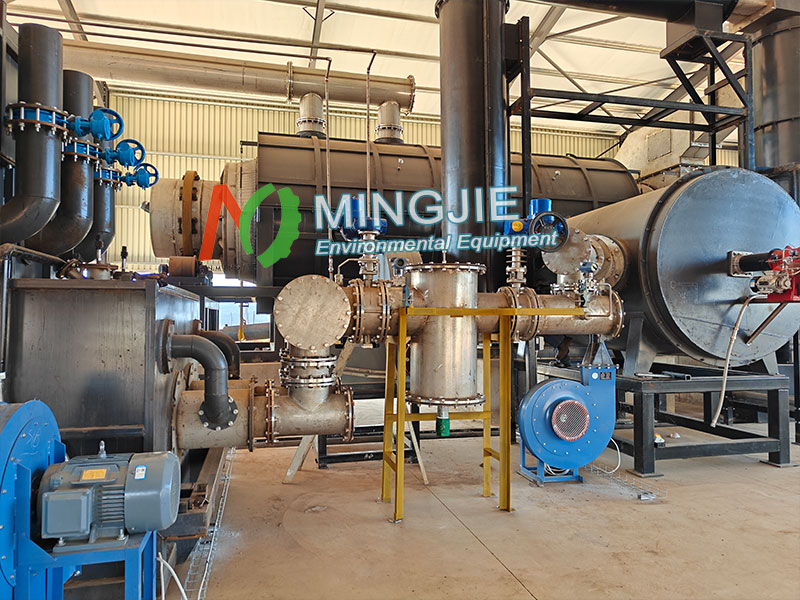
Our engineering team focuses on precision when building each biomass plant. Small-scale operators often prefer the skid-mounted biomass plant for its mobility. This unit excels at processing dry bamboo shavings and coffee shells. Larger operations require the power of a fully automatic biomass carbonization plant. These industrial units need a continuous supply of shredded and dried materials. We recommend keeping the moisture content below 65 percent for optimal performance. The biomass carbonization plant reactor reaches a peak temperature of 420 degrees Celsius. This specific heat level triggers the chemical decomposition of the biomass. The resulting biochar is stable and rich in carbon content. Our water-cooled system allows for high-temperature slag discharge without delays.
Pyrolysis technology produces fewer pollutants than traditional direct incineration methods. A biomass carbonization plant generates less dioxins, NOx, and SO2 during operation. This makes it a much cleaner choice for sensitive ecological zones. Traditional incineration creates significant amounts of harmful smoke and ash. In contrast, a biomass plant operates within a completely sealed system. This prevents the release of volatile organic compounds into the atmosphere. Our biomass plant utilizes a unique flue gas treatment system. This system removes impurities before any gas leaves the industrial plant. The reduction of greenhouse gas emissions is a primary goal for Mingjie. A biomass carbonization plant effectively captures carbon that would otherwise enter the sky.
South Africa represents a key market for sustainable waste management solutions. Our wood carbonization projects in this region demonstrate the technology's effectiveness. A biomass carbonization plant allows local businesses to diversify their revenue. They can process mountain-high piles of wood waste into premium biochar. This industrial biochar has a high calorific value for heating. The biomass plant creates local jobs in the collection and processing sectors. Agricultural investors achieve economic recovery by reducing their waste disposal costs. Instead of paying for landfills, they generate valuable fuel and soil conditioners. A biomass plant strengthens the local economy through resource recovery. It fosters industrial growth while protecting the precious natural landscape.
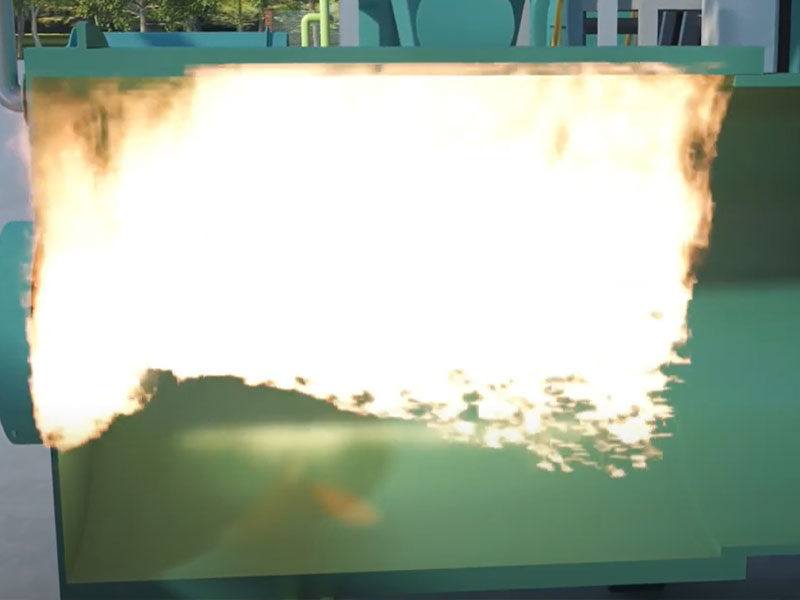
The biomass carbonization plant also produces syngas as a valuable by-product. Syngas provides renewable energy for industrial heating or reactor self-heating. This gas product often has higher energy than syngas from gasification. Investors in a biomass carbonization plant see high returns on their capital. We offer customized solutions to meet the specific needs of 200 customers. Biochar can be further processed into activated carbon for other markets. Syngas generated during the process can provide renewable heating energy. The biomass plant reduces the need for expensive landfills. Every biomass carbonization plant contributes to a much cleaner future. Liquid by-products like wood vinegar also offer agricultural benefits.
Mingjie Group operates a modern 12,000 square meter CNC manufacturing workshop. Our masters bring over 20 years of experience to equipment manufacturing. We provide comprehensive after-sales service for every biomass carbonization plant sold. Technical support ensures the long-term sustainability of projects in South Africa. Our team offers specialized crushing and drying systems for wood charcoal production. These systems handle materials with moisture content between 15 and 65 percent. A high-quality biomass carbonization plant provides lasting value to international investors. We focus on cost-effectiveness and durability for all our environmental machinery. Global recognition proves the reliability of our waste-to-energy solutions. Mingjie has implemented projects in more than 30 countries.
Modern environmental challenges require the integration of advanced pyrolysis systems. Every biomass plant from Mingjie represents decades of research. We ensure that our machines meet the highest international quality standards. This includes rigorous testing for safety and operational durability. The biomass carbonization plant is designed for easy maintenance and longevity. We provide training for local teams to ensure peak machine performance. Our engineers assist with the initial installation and commissioning of the plant.
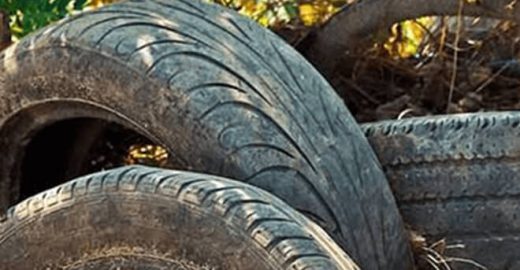
An Australian general waste and tire recycling authoritative body turned to Environment Minister Sussan Ley in November last year with a request to prohibit whole bale tire…
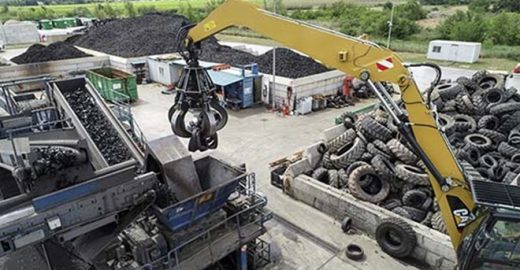
Aliapur – a French end-of-life tire management authority – recently announced a call for applications to participate in a tender to renew end-of-life tire collection and recycling contacts for 2021–2024..