Incineration creates significant environmental challenges for the modern world. Traditional burning releases massive amounts of carbon dioxide into the air. This process contributes directly to the acceleration of global warming. Direct combustion also produces thick and toxic smoke. Open burning generates harmful gases such as dioxins and nitrogen oxides. Sulfur dioxide emissions further increase the environmental burden on our planet. These pollutants damage local air quality and harm surrounding ecosystems. They pose serious risks to human health and respiratory systems. Direct incineration offers no way to recover valuable resources from waste. It treats agricultural leftovers as a simple liability. The world needs cleaner waste management solutions to protect our future. Escape the Dangers of Biomass Incineration – A Biomass Carbonization Plant Offers a Cleaner, Safer Future
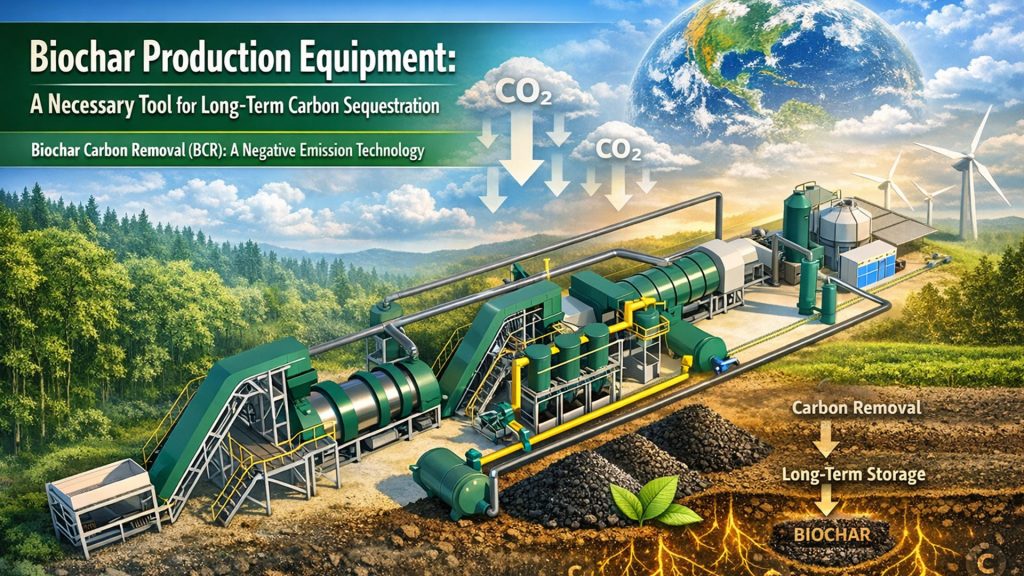
A biomass carbonization plant provides a modern and effective environmental solution. This technology uses a sophisticated thermal process to treat organic waste. It operates in a strictly low-oxygen environment within a sealed reactor. This specific setting prevents the direct combustion of organic matter. The biomass carbonization plant stops the creation of harmful smoke and ash. It converts raw waste into renewable energy and solid carbon. This method aligns perfectly with global circular economy principles. It focuses on resource recovery instead of simple waste disposal. Each biomass carbonization plant acts as a sustainable industrial tool. It changes how we view agricultural and forest waste products. This technology offers a superior alternative to dangerous open burning. Modern industries now prefer this method for managing large waste volumes. Carbonization effectively bridges the gap between waste management and energy production. It provides a reliable pathway toward a carbon-neutral industrial future.
The scientific mechanism behind the system is advanced biomass pyrolysis. High temperatures decompose the organic material inside a specialized reactor. Oxygen-deficient conditions are essential for the success of this process. These conditions stop the formation of toxic atmospheric gases. A biomass carbonization plant emits significantly fewer pollutants than traditional incineration. The system generates useful syngas instead of uncontrolled black smoke. This syngas can provide clean energy for the carbonization process itself. Pyrolysis significantly reduces the total carbon footprint of waste disposal. It traps carbon in solid form instead of releasing it. This technology protects the atmosphere from dangerous secondary pollution. It ensures that waste treatment does not compromise air quality. Modern reactors maintain a completely sealed environment during the entire operation. This sealing prevents the leakage of harmful vapors into the surrounding environment. Advanced emission purification systems further clean any remaining gases before release.
Many common raw materials are suitable for the carbonization process. A biomass carbonization plant easily processes wood chips and agricultural straw. It effectively handles large volumes of rice husks and coconut shells. Operators can also process palm shells, coffee shells, and various nut shells. The machine even treats sewage sludge and sawdust with high efficiency. A biomass carbonization plant turns these low-value materials into high-quality biochar. This transformation creates high-value products from common agricultural waste. Investors find great economic potential in the secondary sale of biochar. Selling these by-products provides a steady and reliable stream of income. The biomass carbonization plant solves environmental problems while generating profit. It ensures high returns for investors focused on sustainable development. Waste materials become valuable assets through this advanced technology. This resource recovery helps revitalize local economies in agricultural regions.
The biochar from the biomass carbonization plant has multiple practical uses. It serves as an excellent soil conditioner for large-scale farming. Farmers use it as a reliable carrier for various fertilizers. Biochar helps with long-term carbon sequestration in the ground. This process promotes healthy carbon circulation in the natural environment. The biomass carbonization plant produces material suitable for activated carbon. Industries also use biochar as a clean and efficient heating fuel. It has a high calorific value for demanding industrial applications. Biochar works well for domestic heating needs in many regions. It offers a sustainable and carbon-neutral alternative to coal. This product supports both environmental health and industrial energy needs. Solid biochar can also be pressed into briquettes for easier transport. These briquettes serve as high-quality fuel for industrial boilers and furnaces. The versatile nature of biochar ensures a constant market demand.
Small scale projects often utilize professional skid-mounted equipment. These portable units are ideal for initial validation tests. They feature a compact design for easy installation and transport. A small biomass carbonization plant handles dry bamboo chips efficiently. It requires materials with less than fifteen percent water content. The feed size should stay between five and twenty millimeters. These machines offer high cost-effectiveness for localized waste treatment projects. They have a very small footprint on the industrial site. This design allows for continuous operation even in remote areas. It provides a flexible and mobile solution for organic waste. Local economies can benefit from this manageable scale of technology. The biomass carbonization plant allows for quick setup in diverse locations. It requires minimal infrastructure to begin processing agricultural waste. This equipment serves as a perfect entry point for new environmental entrepreneurs.
Large-scale industrial use requires fully automatic biomass carbonization plant systems. An industrial biomass carbonization plant handles thirty to fifty tons daily. These massive machines require integrated shredders and dryers for operation. Continuous feeding systems ensure the plant runs at maximum efficiency. The machine discharges biochar without stopping the thermal process. High yields make these large plants very profitable for operators. They meet the needs of massive agricultural and forestry operations. A continuous biomass carbonization plant maximizes total material throughput. It provides a reliable way to manage mountain-high piles of waste. Automation reduces the need for constant manual labor during production. These systems operate twenty-four hours a day to maximize output. A water-cooled discharge system ensures safety during high-temperature operations. This technology handles moisture contents between fifteen and sixty-five percent effectively. Large plants represent the pinnacle of modern waste-to-energy engineering.
Mingjie Group leads the world in the field of pyrolysis manufacturing. They focus on global environmental protection through constant technological innovation. Their dedicated research team includes senior engineers and environmental experts. They constantly improve the biomass carbonization plant technology for customers. The factory covers a massive area of twelve thousand square meters. It uses advanced CNC equipment for high-precision manufacturing processes. Manufacturing masters with over twenty years of experience oversee every step. Their technically proven systems help utility customers improve overall performance. Technology from Mingjie Group reduces the total environmental impact of waste. They provide technical solutions that meet the highest global standards. Quality control remains a top priority during the entire manufacturing cycle. Precision engineering ensures the long-term durability of every biomass carbonization plant. This commitment to excellence builds strong trust with industrial partners.
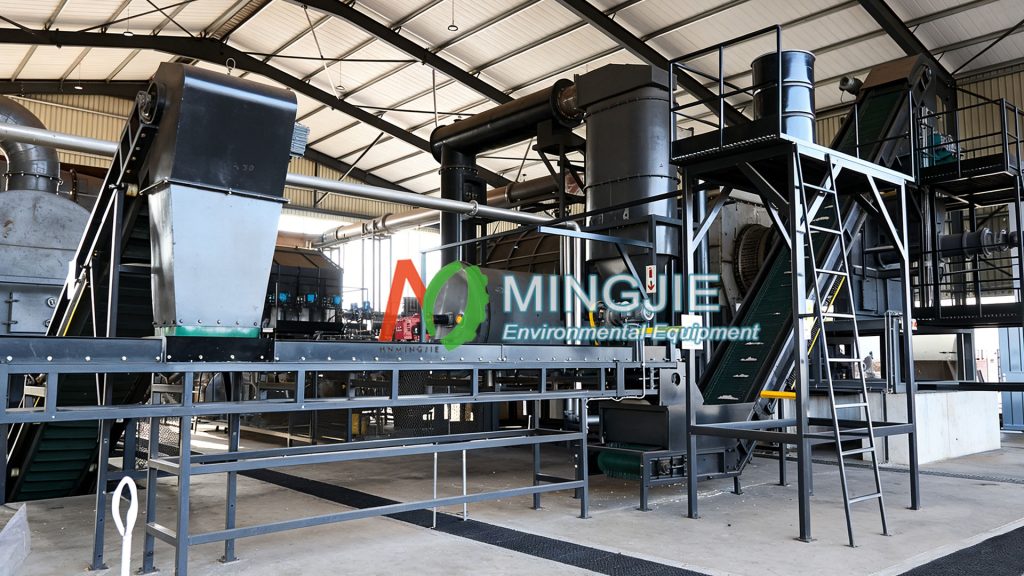
Mingjie delivers high-quality environmental solutions to the international market. They have successfully implemented projects in more than thirty countries. Every biomass carbonization plant holds strict CE and ISO certifications. They have served over two hundred global customers with success. This includes large-scale tire recycling and biomass carbonization projects. Their biomass carbonization plant offers reliable and professional after-sales service. Global customers trust the high quality and durability of their machinery. Mingjie provides customized environmental solutions for specific local challenges. Their massive global reach proves the effectiveness of their carbonization technology. They continue to win recognition for excellence across the world. Their equipment operates successfully in diverse climates and industrial settings. This global experience informs the continuous improvement of their plant designs. Reliable service ensures that every project achieves its environmental goals.
Carbonization technology offers significant and immediate financial benefits. It achieves economic recovery by creating valuable energy products. Traditional waste disposal costs are often a burden for businesses. A biomass carbonization plant turns these costs into sustainable profits. The process also generates useful liquid and gas by-products. These fuels power heavy-duty engines, ships, and diesel generators. Biochar sales generate additional revenue for the modern enterprise. This technology turns environmental liabilities into solid economic assets. Sustainable waste treatment leads to long-term profitability and growth. Investors benefit from both energy recovery and material secondary sales. The biomass carbonization plant creates multiple revenue streams from a single waste source. These financial gains make the transition to green technology very attractive.
The shift from dangerous incineration to clean carbonization is necessary. Advanced technology allows for much cleaner waste management practices. We must reduce greenhouse gas emissions to protect the planet. A biomass carbonization plant makes this goal achievable and affordable. It offers a clear path toward a green future. Resource recovery should be the primary goal for every industry. We must all take responsibility for our environmental impact today. This technology provides the necessary tools for a cleaner world. Adopting a biomass carbonization plant supports sustainable global growth. Join the movement toward effective and clean organic waste recycling. Choose carbonization to protect the atmosphere and generate value. Our planet requires innovative solutions to handle the growing waste crisis. Advanced technology from Mingjie Group provides the answer to this challenge. Professional engineering creates a cleaner and more profitable world for everyone. Together we can build a sustainable future through smart carbonization.

An Australian general waste and tire recycling authoritative body turned to Environment Minister Sussan Ley in November last year with a request to prohibit whole bale tire…
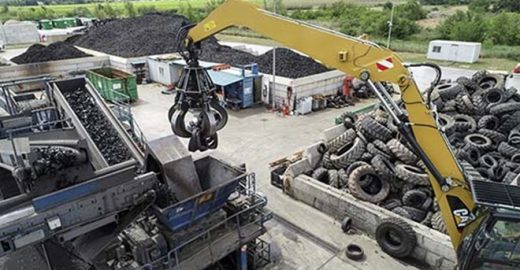
Aliapur – a French end-of-life tire management authority – recently announced a call for applications to participate in a tender to renew end-of-life tire collection and recycling contacts for 2021–2024..