Waste tires create an enormous environmental burden for every nation worldwide. Huge piles of scrap rubber often fill landfills and create fire hazards. These materials also pose significant health risks to local communities. Henan Mingjie Environmental Protection Equipment Co., Ltd. offers a sustainable and industrial answer. Our waste tyre pyrolysis plant turns these scrap materials into valuable resources. This technology achieves a true closed-loop economy through thermal decomposition. It converts discarded rubber into renewable energy and industrial products. Every waste tyre pyrolysis plant helps protect the global ecosystem. We address rubber waste with advanced industrial methods and precision engineering. Our solutions improve performance while reducing environmental impact for every industrial customer.
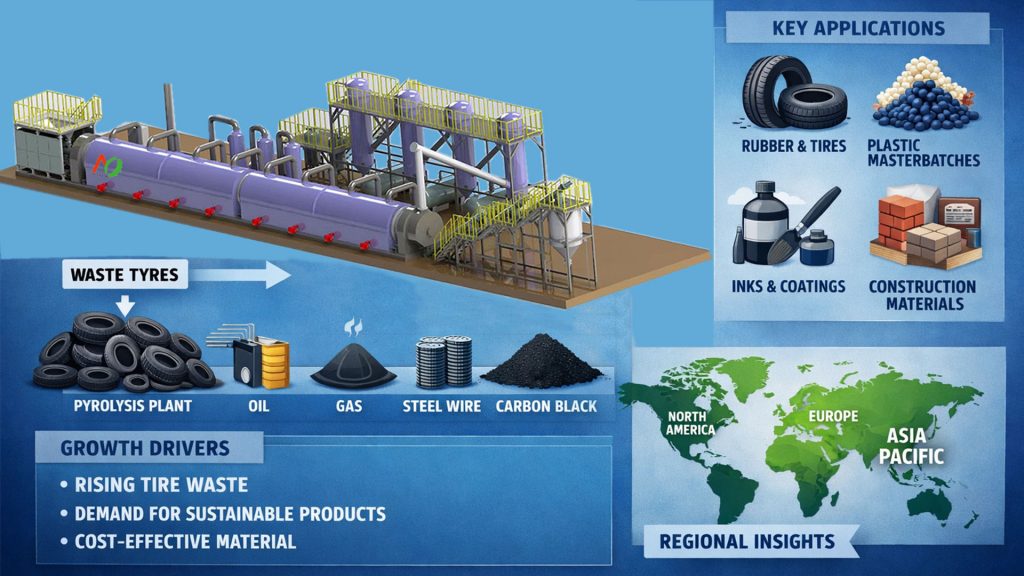
Pyrolysis uses high temperatures in low-oxygen environments to break down complex polymers. A waste tyre pyrolysis plant operates by heating scrap materials inside a sealed reactor. This thermal decomposition process avoids the hazards of direct incineration. It produces far fewer dioxins and harmful air pollutants like nitrogen oxides. The pyrolysis plant ensures a clean material transformation for industrial operators. It offers a safe way to handle high volumes of rubber waste. Organic materials decompose into oil gas and solid residue during the cycle. The system reaches an optimal operating temperature of around 420 ℃. This scientific approach maximizes resource recovery from every scrap tire. A waste tyre pyrolysis plant serves as the cornerstone for modern recycling infrastructure.
Industrial operators recover high-value carbon black during the thermal conversion process. You can press this fine byproduct into solid briquettes for storage. These briquettes serve as an efficient and high-energy industrial fuel source. A waste tyre pyrolysis plant creates significant value from discarded scrap tires. The rubber and plastic industries also use this recovered material extensively. It acts as a fortifier or a secondary filler in many new products. You can even use it as a color master batch for manufacturing. This versatility makes carbon black a highly profitable secondary product for investors. The pyrolysis plant turns a waste liability into a profitable revenue stream. It provides raw materials that replace expensive virgin carbon black in production.
The recycling process generates combustible syngas inside the sealed reactor chamber. This gas serves as a high-energy alternative fuel source for the facility. Syngas from a waste tyre pyrolysis plant provides significant power for industrial heating. It often contains more energy than gas produced through standard gasification methods. This gas reduces the operational need for traditional natural gas. Industrial plants use it to power their own internal heating systems. It represents a major step toward total energy self-sufficiency. Using syngas significantly lowers the daily operational costs of the recycling facility. The plant optimizes every byproduct for maximum industrial utility. This approach minimizes waste and maximizes total energy output for the owner. We prioritize the efficient use of all generated gas products during operation.
The Batch Waste Tyre Pyrolysis Plant serves specific small-scale industrial needs. It handles between 2 and 15 tons of scrap material daily. This plant suits small-scale or medium-scale operations perfectly. It requires a relatively low initial investment cost for new businesses. The system offers high slag discharge efficiency during its operation. Operators process materials in distinct and manageable batches throughout the day. You reload the reactor after each pyrolysis cycle finishes and cools. Small businesses benefit from this flexible and reliable waste management tool. The waste tyre pyrolysis plant accepts organic whole tires or various plastics. It converts solid waste into pyrolysis oil and carbon black effectively. This machinery provides a reliable entry point for many new industrial investors.
Large operations may choose a Semi-continuous Waste Tyre Pyrolysis Plant for better efficiency. This system processes approximately 15 to 16 tons of tires every day. It handles around 12 tons of plastic materials in the same timeframe. The raw materials must meet a specific feed size of under 8mm. Operators must crush the scrap into rubber powder and remove all steel wire. This waste tyre pyrolysis plant features an automatic feeding system for faster operation. It allows feeding at high temperatures without waiting for reactor cooling. This capability significantly shortens the total cycle time for the industrial operator. The pyrolysis plant maintains a clean environment from feeding to discharge. It uses a water-cooled automatic slag discharge system to prevent fly ash.
Large-scale recycling projects require a fully automatic waste tyre pyrolysis plant. These systems offer 24-hour continuous feeding and discharging capabilities for maximum throughput. A single pyrolysis plant processes 35 to 40 tons of tires daily. It handles 30 tons of waste plastic in a continuous 24-hour cycle. The system uses a sophisticated water-cooled discharge system for high efficiency. This feature allows high-temperature carbon black removal without any delay. You do not need to wait for the reactor to cool down. Continuous operation maximizes the total output of renewable energy for the plant. The waste tyre pyrolysis plant maintains a completely sealed operating environment. All feeding and discharging processes remain contained to protect the surrounding air. This prevents fly ash and protects the health of the plant workers.
Industrial investors see high returns from a waste tyre pyrolysis plant investment. You can sell pyrolysis oil and carbon black for significant profit. High-purity fuel oil serves industrial boilers and heating systems effectively. Distillation plants can even create non-standard diesel from the raw oil. Using a pyrolysis plant reduces expensive waste treatment and disposal costs. It creates new revenue streams from materials that others simply discard. Financial viability remains a core advantage of this advanced technology. The liquid and gas products serve as valuable chemical raw materials. Many local industries buy these products for their own production needs. A pyrolysis plant turns a waste liability into a valuable asset. This makes the investment highly attractive for forward-thinking industrial companies.
Mingjie Group technology significantly lowers CO2 greenhouse gas emissions globally. Traditional incineration methods produce far more atmospheric pollution and toxic smoke. A waste tyre pyrolysis plant reduces garbage volume and weight effectively. It also prevents hazardous tires from entering overcrowded local landfills. CE and ISO certifications prove our equipment quality and high safety standards. We provide solutions that help achieve global carbon sequestration goals. The waste tyre pyrolysis plant supports the essential concept of a circular economy. Our equipment has won the trust of 200 customers worldwide. We have successfully implemented projects in more than 30 different countries. This technology contributes directly to a much greener and cleaner future. Our machines provide the best technical solution for sustainable biomass and tire processing.
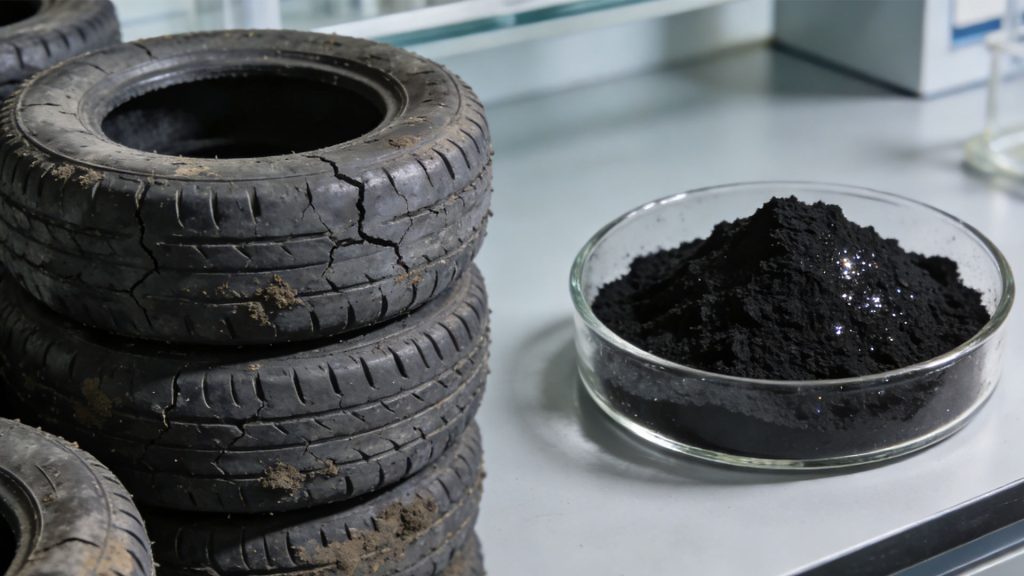
You can further purify the oil from a pyrolysis plant. Our distillation plants separate and clean the heavy raw oil. This process creates bright non-standard diesel or non-standard gasoline for use. These fuels power heavy-load low-speed diesel engines and large ships. They also work perfectly in diesel generators for industrial power generation. A pyrolysis plant produces a versatile and valuable base oil. Distillation adds extra market value to the primary pyrolysis products. This allows industrial investors to enter premium fuel markets with ease. The waste tyre pyrolysis plant remains the primary source of this raw oil. Refining this oil increases the overall return on your initial investment. Our technology covers the entire value chain of industrial waste conversion.
Our waste tyre pyrolysis plant processes more than just scrap rubber. It handles waste plastics, oil sludge, and municipal solid waste effectively. It even processes medical waste and complex wind turbine blades. This wide range of applications increases its overall industrial value. A pyrolysis plant adapts to various organic waste streams easily. We suggest pre-sorting materials like municipal solid waste for best results. Removing metal and glass ensures the best overall machine performance. Pure PE or PP plastics yield very high oil volumes during pyrolysis. You can expect 700 to 800 kilograms of oil per ton. This high yield makes the waste tyre pyrolysis plant very profitable. We provide customized solutions for every specific waste material our customers process.
Long-term performance requires regular technical maintenance routines for the equipment. Operators must check wearing parts and lubricants every week. This ensures the waste tyre pyrolysis plant stays efficient and safe. Monthly cleaning routines prevent blockages and costly mechanical failures. Mingjie Group provides a 12-month guarantee for all our recycling equipment. This warranty covers all problems caused by quality defects or manufacturing. Reliable maintenance schedules protect your industrial investment over many years. For batch plants, we suggest stopping for one day every month. Continuous machines processing plastic require maintenance twice every month. A well-maintained pyrolysis plant operates with high industrial reliability. Our technical team supports customers throughout the entire equipment lifespan.
Mingjie Group holds a leading global market share in the pyrolysis industry. Our CNC equipment workshop covers an impressive 12,000 square meters. Masters with 20 years of experience manufacture every single machine. We provide technically and commercially proven machinery to customers worldwide. A pyrolysis plant from Mingjie ensures high cost-effectiveness for owners. Our research and development team constantly promotes technological innovation in recycling. We offer customized environmental solutions to all our global industrial clients. Every waste tyre pyrolysis plant meets strict international quality standards. We aim to reduce environmental pollution through advanced engineering and passion. Our global presence ensures reliable support for your next recycling project. Choose a waste tyre pyrolysis plant for proven and reliable industrial excellence.
Adopting a waste tyre pyrolysis plant offers dual benefits for operators. It protects the environment while generating high economic profits for investors. We can turn mountain-high waste tires into high-purity fuel oil. Mingjie Group continues to innovate for a truly sustainable future. Our mission involves reducing pollution through advanced and proven technologies. Invest in a pyrolysis plant for long-term industrial sustainability. This technology provides the best solution for global rubber waste management. We help utility and industrial customers improve their daily performance. Join us in building a cleaner and more profitable world. Our pyrolysis plant represents the future of global recycling. Contact us today to begin your green energy project.
An Australian general waste and tire recycling authoritative body turned to Environment Minister Sussan Ley in November last year with a request to prohibit whole bale tire…
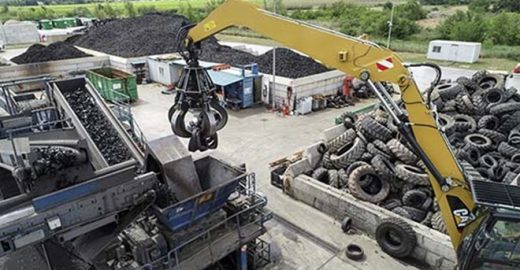
Aliapur – a French end-of-life tire management authority – recently announced a call for applications to participate in a tender to renew end-of-life tire collection and recycling contacts for 2021–2024..