Waste tyre recycling pyrolysis is no longer a marginal option in solid waste treatment, but has grown into a key growth engine for the tyre recycling industry. Data shows that by 2025, the global annual production of waste tires will exceed 32 million to 35 million tons, of which approximately 15%-21% will be processed using pyrolysis technology. This proportion is projected to exceed 35% by 2030.
In 2026, the development trend of the waste tyre recycling pyrolysis industry became increasingly clear. Behind this lies a complex interplay of technological innovation, market opportunities, and international policies.
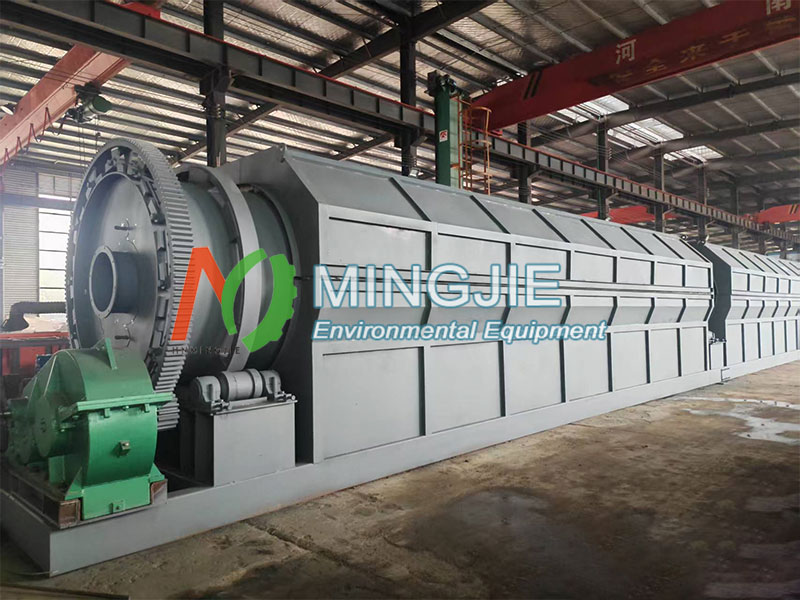
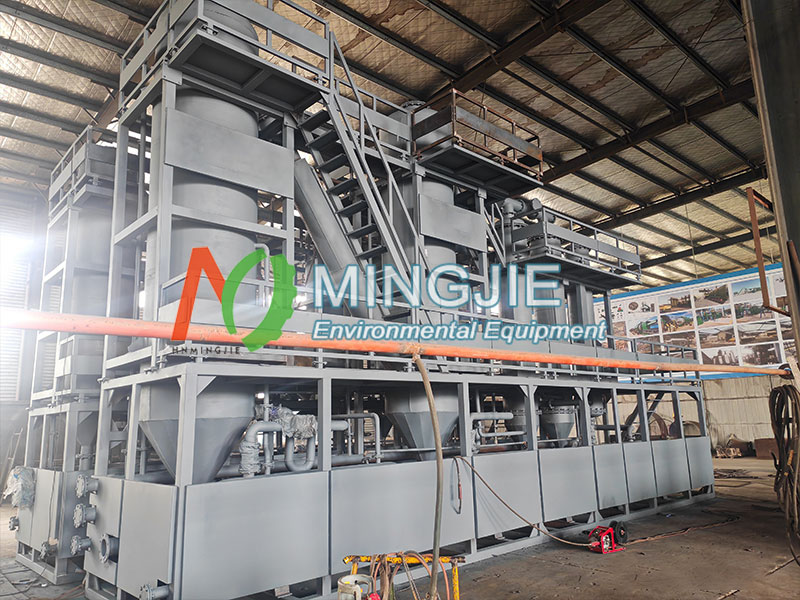
The fundamental transformation of the waste tyre recycling pyrolysis industry stems from the industrial maturity of pyrolysis processes. Batch pyrolysis plant has been successfully applied in numerous solid waste recycling projects. Continuous pyrolysis plant will become the mainstream direction for waste tyre pyrolysis recycling. It achieves stable and controllable product indicators through precise temperature control and continuous material feeding and discharging.
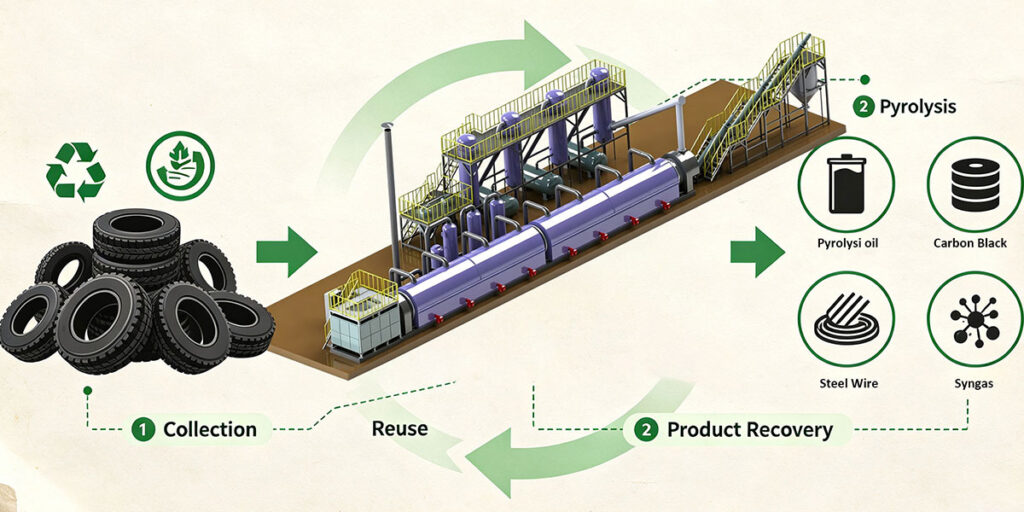
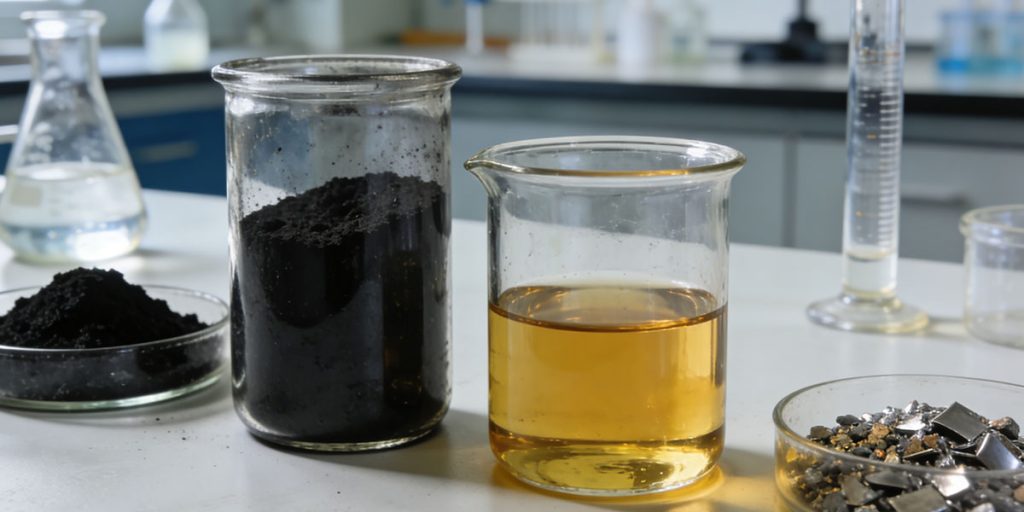
Meanwhile, international sustainability certifications such as ISCC and EBC have become mandatory requirements for pyrolysis companies. The ISCC PLUS quality balance system enables full-chain traceability in the waste tire pyrolysis recycling industry, quantifying carbon emission reductions as verifiable indicators. Only certified pyrolysis oil and recycled carbon black can enter the EU biofuel system and the supply chains of leading tire manufacturers. Certified compliant products enjoy significant product premiums and global distribution rights. This directly creates a commercial gap between small scale and large scale pyrolysis plants.
The global waste tyre pyrolysis market has formed a three-tiered structure. The first tier comprises Asia-Pacific, Europe, and North America, holding the core market share globally. The second tier is Latin America, steadily developing its local industry based on resource and demand advantages. The third tier is the Middle East and Africa, where waste tire recycling pyrolysis is still in its early stages, with significant growth potential.
The waste tyre pyrolysis market expansion is directly reflected in the capacity layout of leading companies. Global tire giants and chemical companies are accelerating their entry into the market. Michelin, Pirelli, and Bridgestone have all invested in pyrolysis plants, building closed-loop projects of Tire-to-Tire.
The business model has also evolved from solid waste disposing to a composite model of Pyrolysis Equipment Output + Project Operation + Product Trading + Carbon Asset Development. In addition to product sales revenue, pyrolysis projects can also tap into carbon credit value. As carbon emission reduction accounting standards gradually improve, carbon reduction benefits are being transformed into additional commercial revenue.
By 2026, dozens of countries worldwide had implemented Extended Producer Responsibility (EPR) systems and mandatory recycling regulations for waste tires. These policies are shaping the development path of the waste tire recycling pyrolysis industry, presenting both opportunities and trade barriers.
The EU’s RED III Renewable Energy Directive and the new tire regulations mandate the incorporation of a certain proportion of recycled materials into tire products. Simultaneously, stringent standards are imposed on the full life-cycle carbon footprint of pyrolysis oil. ISCC certification has become a passport to the European market, benefiting large-scale pyrolysis companies.
However, the Carbon Border Adjustment Mechanism (CBAM) also increases carbon disclosure and accounting costs for companies, raising the entry barrier for external enterprises.
But the import and export regulations for solid waste vary significantly among different countries. The cross-border flow of waste tire raw materials is strictly controlled. For many tire pyrolysis projects, the biggest bottleneck is not the pyrolysis plant, but a stable and compliant supply of waste tire raw materials.
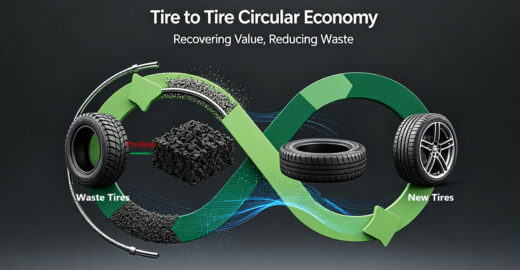
Tire-to-Tire Circular Economy is a cutting-edge industrial concept. Its core is to transform used tires from mere disposal into raw materials for manufacturing new tires,…
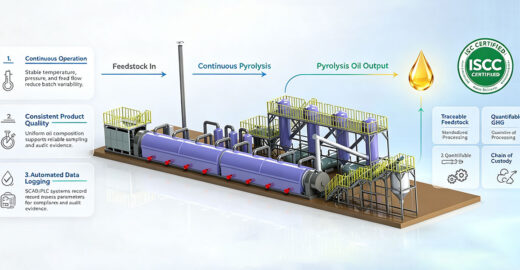
Continuous pyrolysis plant is the foundation for ISCC certification of pyrolysis oil. It upgrades pyrolysis oil production from an unpredictable batch process to a quantifiable,…