Due to the lightweight, fluffy, and dust-prone nature of palm fiber, continuous biomass pyrolysis plant is currently the primary equipment for large-scale palm fiber biochar production. They employ a closed, negative-pressure, low-temperature, oxygen-free carbonization process, maintaining a stable temperature range of 400–550℃.
The material undergoes four main processes: drying and dehumidification, preheating and volatile matter removal, constant-temperature carbonization, and closed-loop cooling. This process ensures thorough decomposition of the fiber's organic matter and a high concentration of carbon.
During the biochar from palm fiber production process, continuous carbonization equipment operates without open flame combustion or dust leakage. All flue gas is recovered and recycled for heating, achieving energy self-sufficiency.
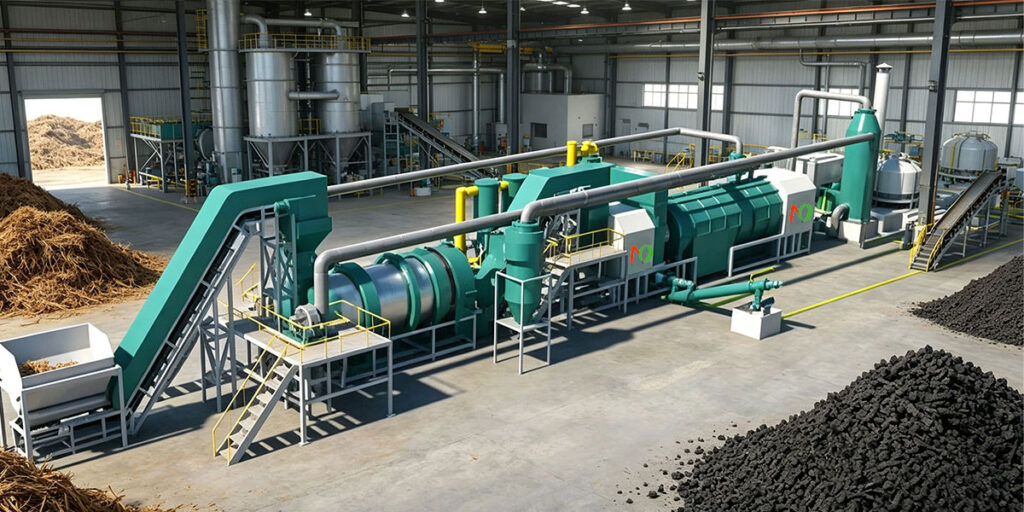
For large scale biochar production, besides the carbonization process itself, economic feasibility and equipment investment must be considered.
Mingjie fully automatic pyrolysis plant achieves 24-hour continuous palm fiber biochar production. It completely solves the problems of palm fiber waste accumulation pollution, difficult treatment, and low utilization rate. Simultaneously, it transforms waste palm fiber into a valuable resource biochar, making it the preferred equipment for palm fiber processing plants.
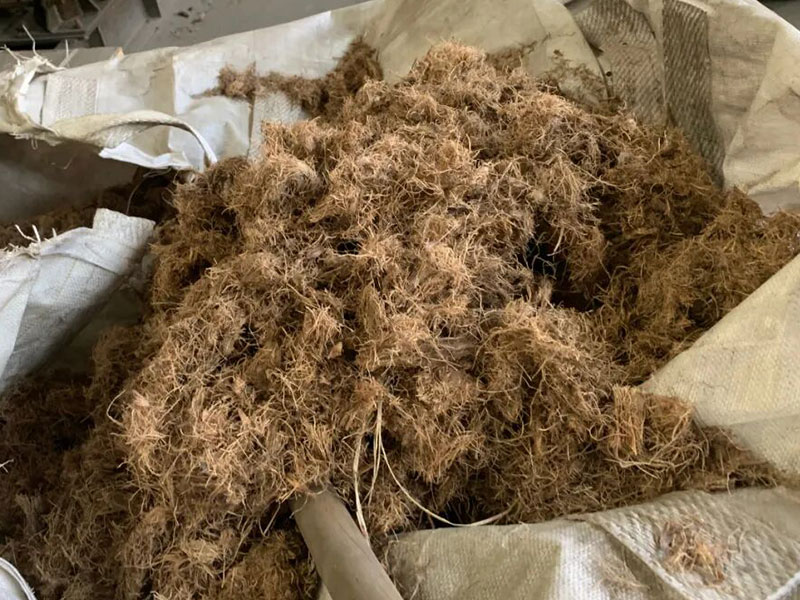
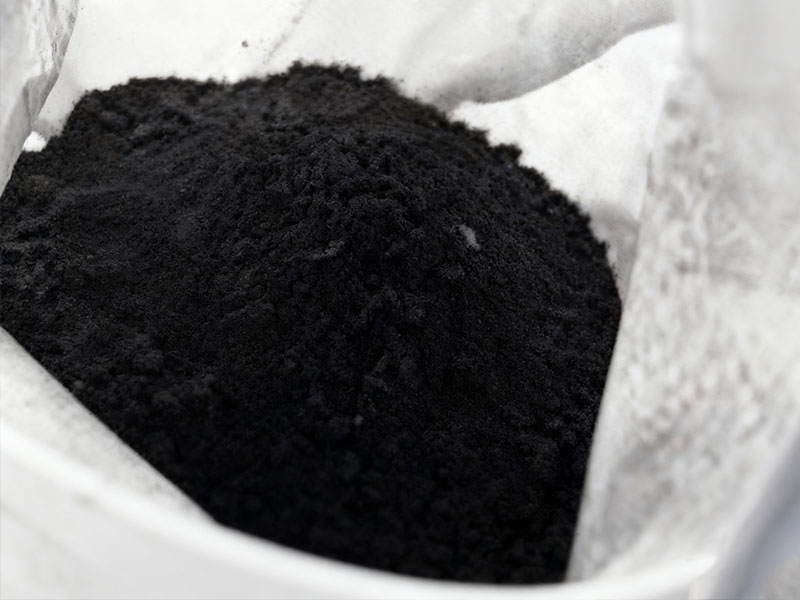
Research confirms that temperature is the dominant factor affecting biochar performance. Different carbonization temperatures yield biochar with varying properties.
Low-temperature carbonization (300℃): The porous structure of the biochar begins to form, and the surface retains more oxygen-containing functional groups. This may endow it with stronger surface reactivity.
High-temperature carbonization (700℃): The specific surface area and pore volume of the biochar increase significantly. More cracks and pores appear on the surface, resulting in stronger adsorption capacity for pollutants such as heavy metals. Simultaneously, the pH value and ash content of the biochar increase at high temperatures.
Furthermore, for projects seeking long-term carbon sequestration benefits, biochar from palm fiber prepared at 500-700℃ exhibits higher stability.
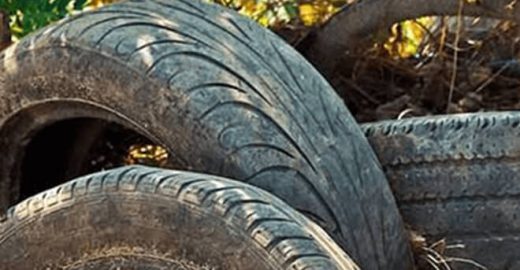
An Australian general waste and tire recycling authoritative body turned to Environment Minister Sussan Ley in November last year with a request to prohibit whole bale tire…
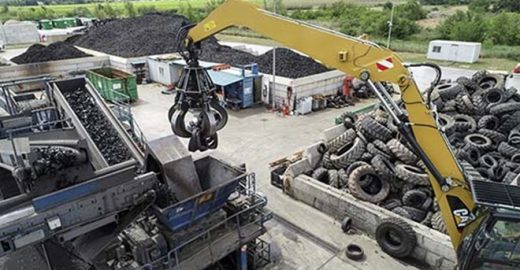
Aliapur – a French end-of-life tire management authority – recently announced a call for applications to participate in a tender to renew end-of-life tire collection and recycling contacts for 2021–2024..