
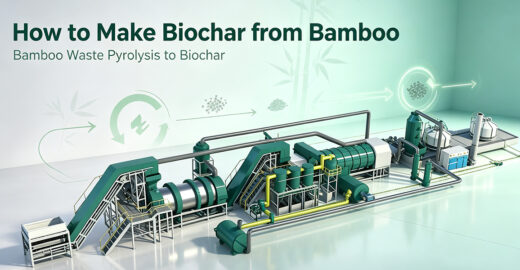
Bamboo charcoal manufacturing is undergoing an industrial revolution, from earthen kilns to intelligent equipment. Traditional bamboo charcoal production relies on earthen kilns and several days…
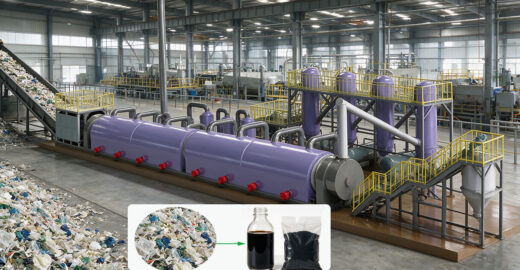
Global waste plastic governance has officially entered a new phase characterized by strong regulation, high recycling rates, and resource-based upgrades. The UN Global Plastics Treaty…
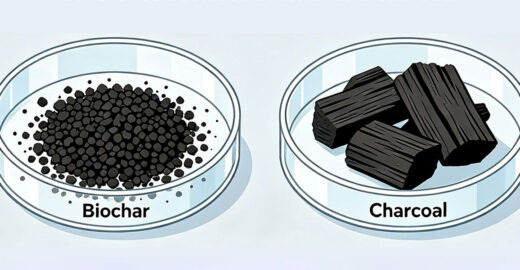
The core difference between biochar and charcoal lies in their applications and the control of biomass pyrolysis processes. Charcoal production aims to maximize fuel output,…
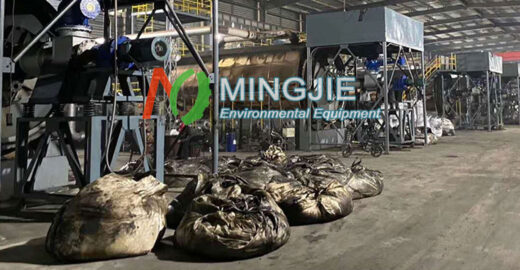
Oily sludge is highly prone to coking upon entering the pyrolysis reactor, leading to equipment clogging or jamming; this reduces thermal efficiency, shortens equipment lifespan,…
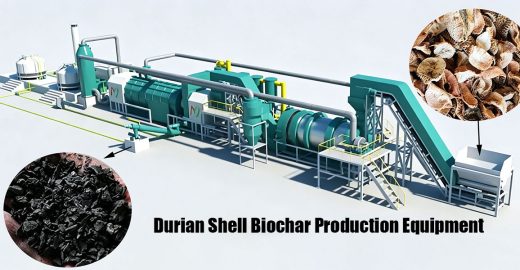
Mingjie Biomass Carbonization Plant provides a green industrialization path for durian shell disposal. Through pyrolysis carbonization technology, durian shells can be converted into high-value-added biochar…
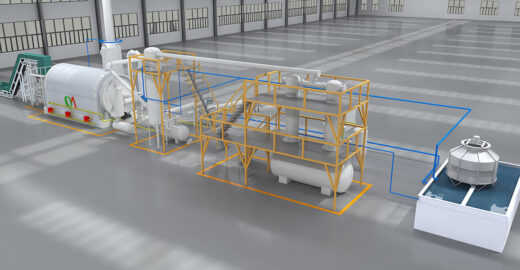
Global supply chains now shift toward emerging industrial markets. This expansion creates significant waste management challenges in developing regions. Local companies often use the Semi-continuous…
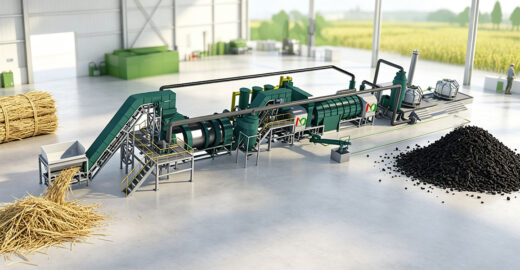
South Asian grain regions face a massive waste crisis every harvest season. Rice husks pile up in mountains across the rural landscape. Traditional incineration releases…
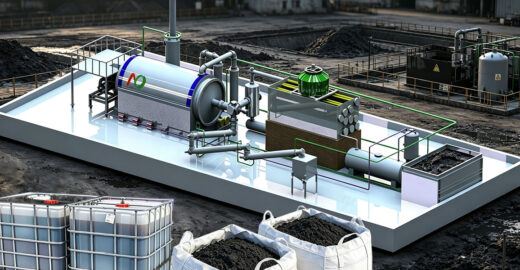
Iraq faces severe environmental challenges after years of intense regional conflict. These wars left behind vast amounts of hazardous oil field pollution. Modern Oily Sludge…