
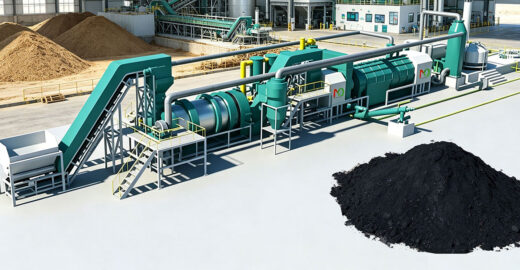
Arid regions in Africa face severe land degradation through spreading desertification. This process destroys fertile soil and threatens local agricultural production. A biomass carbonization plant…
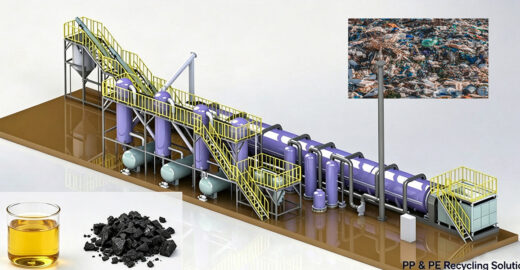
Polyolefin plastics (PP) and polyethylene (PE) are widely used in packaging films, daily-use plastic products, industrial parts, and agricultural films due to their low cost,…
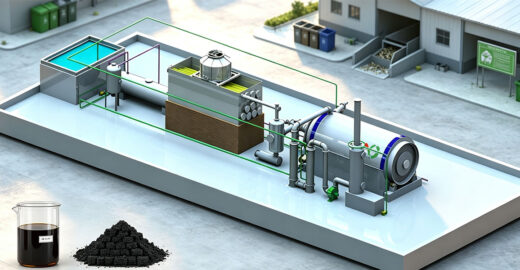
Managing municipal solid waste presents a massive challenge for rapidly expanding urban centers. Cities often face mounting trash piles that threaten public health. Landfills consume…
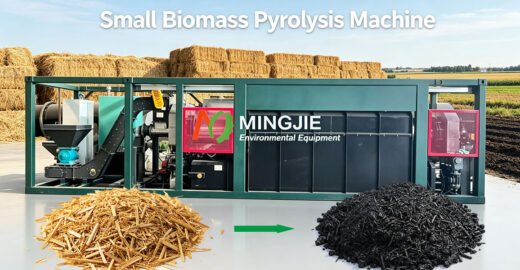
Agricultural waste piles reach mountain-high levels across the globe today. Traditional farming methods create massive environmental burdens every single season. Farmers face difficult choices regarding…
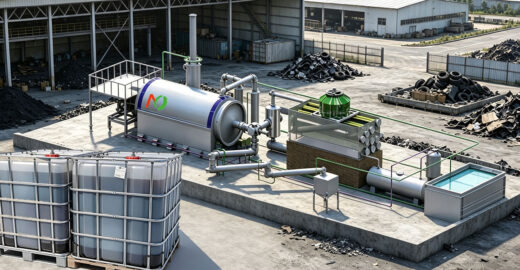
Learn how a waste rubber pyrolysis plant converts scrap tires into valuable carbon black briquettes and syngas with Mingjie’s advanced recycling technology.
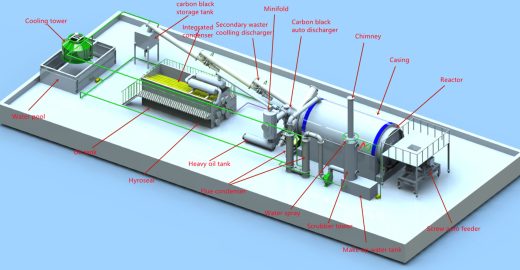
Global waste tire accumulation creates a massive environmental burden for modern society. These “mountain-high” tire piles damage local ecosystems and create severe fire hazards. A…
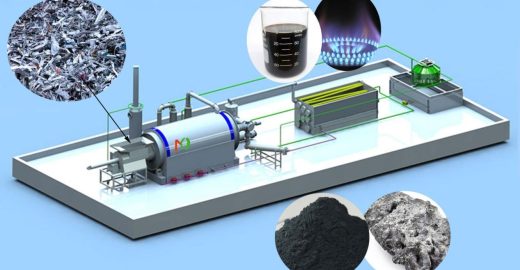
Plastic pyrolysis, as a core technology in chemical recycling, is moving from the laboratory to large-scale applications. The cost of plastic pyrolysis plant varies significantly…
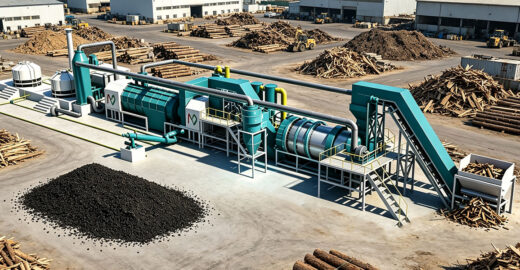
Traditional ways of making charcoal by burning biomass in the open or using slow moving kilns are no longer needed using new pyrolysis technology. Pyrolysis…