
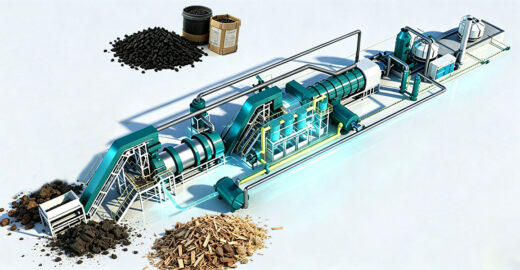
Assessing biochar machines efficiency with various biomass inputs requires optimizing temperature, pressure, and feedstock properties. Advanced continuous systems with intelligent controls enhance conversion rates, product quality, and energy efficiency while supporting sustainable waste management and carbon sequestration goals.
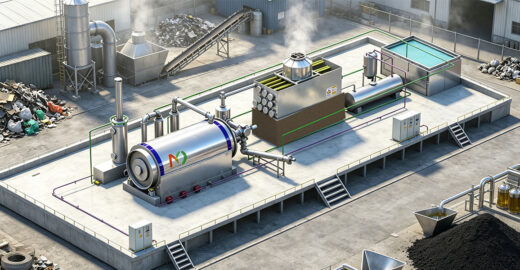
Integrating tyre and plastic pyrolysis faces challenges due to different feedstock characteristics, optimal temperatures, and emission controls. Advanced reactors, catalysts, and AI help overcome these barriers, enabling efficient waste-to-energy conversion and supporting circular economy goals.
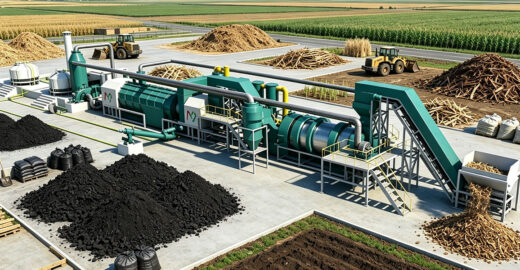
Biochar is a carbon-rich material produced by heating organic matter, such as wood chips, straw, or agricultural waste by pyrolysis technology. Mingjie biomass carbonization plant…
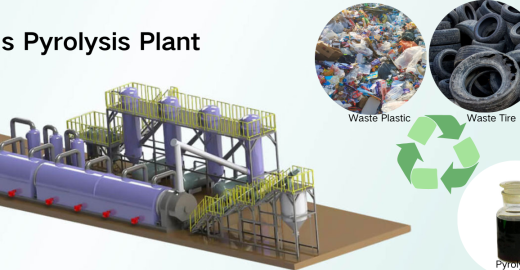
Mingjie Group provide one-stop service about waste to energy pyrolysis equipment by solving the comprehensive utilization of solid waste in one stop service. So, the…
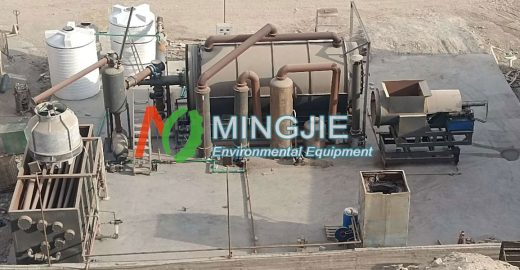
The amount of plastic waste generated globally has far exceeded the capacity of mechanical recycling. Plastic pyrolysis technology offers advantages such as broad adaptability to…
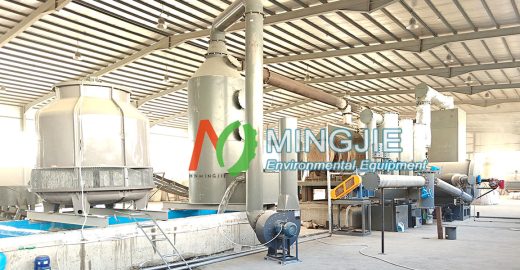
Continuous biomass pyrolysis plant breaks away from the batch pyrolysis model, enabling continuous feeding of biomass raw materials and continuous discharge of biochar. The biochar…
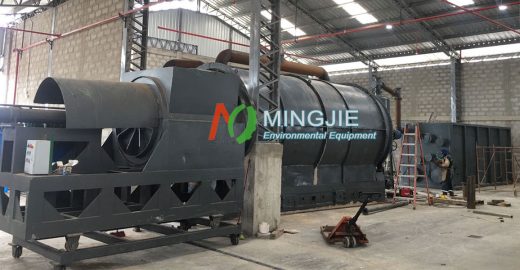
Aluminum plastic composite materials are widely used in packaging, construction, electronics, medical, and many other fields due to their excellent properties such as lightweight, moisture…
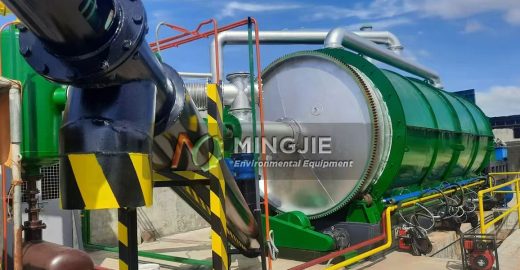
The core equipment of plastic pyrolysis to fuel oil plant mainly includes pyrolysis plant and pyrolysis oil distillation plant. The pyrolysis equipment converts waste plastics…