Global health crises demand advanced waste management solutions. A Medical Waste Pyrolysis Plant optimizes disposal efficiency today. Traditional methods struggle with infectious volume spikes. This technology recovers resources through controlled thermal decomposition. It offers a profitable path for modern municipal infrastructure. Managers now prioritize sustainable recovery over simple destruction. This equipment transforms dangerous materials into safe, usable energy. It ensures that healthcare facilities operate without waste bottlenecks.
Conventional disposal often fails during rapid medical surges. Landfills consume valuable space and risk groundwater contamination. A Medical Waste Pyrolysis Plant reduces waste volume by nearly ninety percent. It transforms hazardous materials into high-value energy products. This shift supports the global move toward circular economies. Hospitals benefit from a cleaner and more organized waste stream. The equipment handles infectious plastics and rubber with high efficiency. It represents the gold standard for healthcare waste treatment.
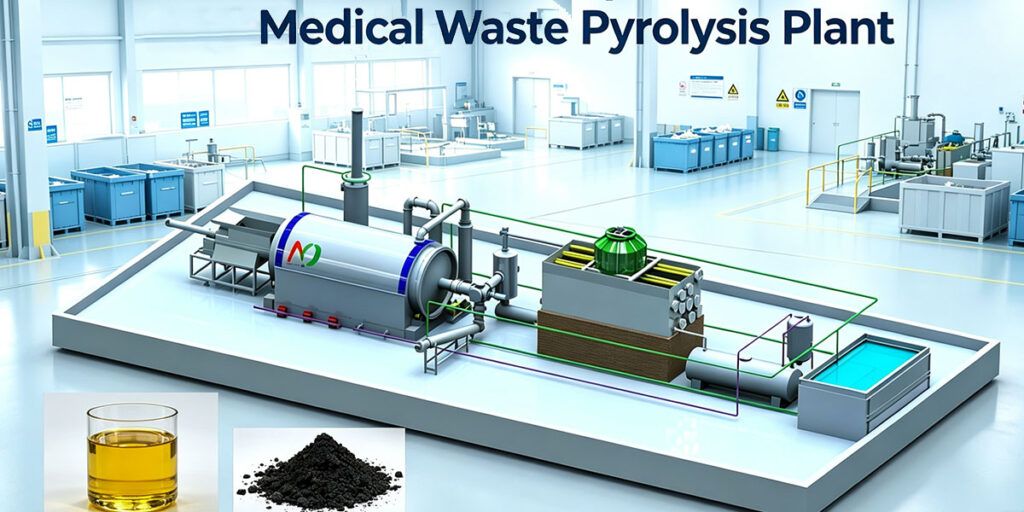
Direct incineration involves high-oxygen combustion of hazardous materials. This process creates significant risks for local air quality. It releases toxic dioxins and acidic gases like sulfur dioxide. Nitrogen oxides also escape during high-temperature burning cycles. A Medical Waste Pyrolysis Plant mitigates these specific environmental hazards. It operates in an oxygen-deficient environment to prevent combustion. This reduces the formation of secondary pollutants significantly. Modern specialists reject traditional burning in favor of this technology.
Conventional burning releases massive amounts of greenhouse gases. The oxygen-rich environment allows for complete carbon oxidation. This leads to a heavy carbon footprint for healthcare systems. Modern consultants recommend a Medical Waste Pyrolysis Plant for emission reduction. It sequesters carbon in stable solid residues instead of releasing it. This technology helps cities meet strict international climate targets. It protects the atmosphere while managing dangerous industrial streams.
Mingjie Group provides pyrolysis plant for medical waste disposal. Solid waste undergoes pyrolysis in a sealed reactor. Pathogens neutralize completely at temperatures reaching 420 degrees Celsius. This environment breaks down organic polymers into three distinct streams. These streams include flammable syngas, liquid fuel oil, and solid coke. The process ensures total sterilization of infectious materials. It converts chemical energy into storable and tradable assets. This transformation happens within a precisely controlled heating chamber.
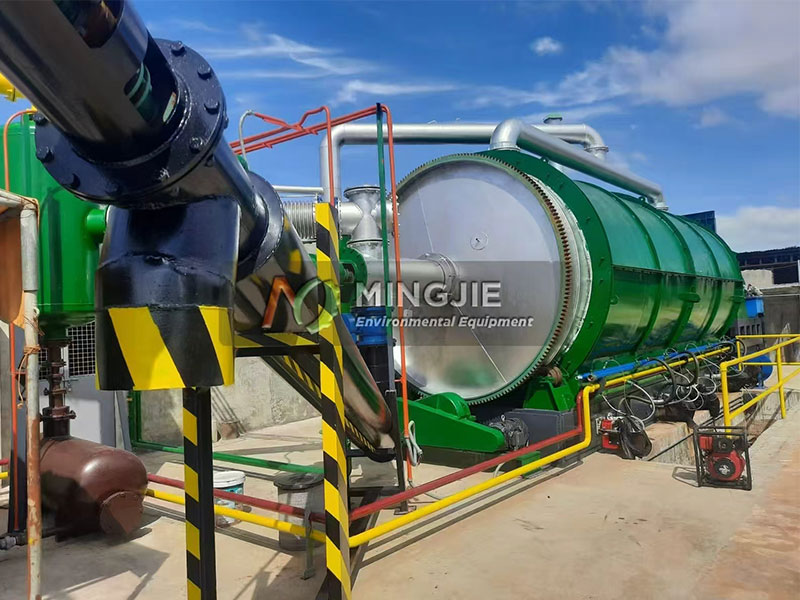
Precise timing ensures the efficiency of every processing cycle. Feeding one ton of material requires only twenty minutes. The actual pyrolysis phase lasts between four and five hours. Operators then cool the reactor for another four hours. Discharging the carbon residue takes approximately one hour per batch. A Medical Waste Pyrolysis Plant follows this predictable industrial rhythm. This schedule allows for effective labor and facility management. It prevents the backlog of hazardous materials at hospitals.
Pyrolysis provides superior environmental performance compared to traditional incineration. An oxygen-deficient environment prevents the formation of hazardous compounds. Every Medical Waste Pyrolysis Plant features advanced emission purification systems. These systems neutralize acidic vapors and remove microscopic particulates. They ensure compliance with ISO and CE environmental standards. The technology aligns with modern sustainable development goals perfectly. It offers a clean solution for urban waste centers. Global stakeholders trust this process for its low environmental impact.
Fully enclosed systems prevent the escape of dust or vapors. This design creates a safer environment for facility technicians. It also eliminates public complaints regarding smoke or odors. A Medical Waste Pyrolysis Plant maintains a clean operating footprint. This is essential for sites near residential or clinical areas. The process transforms hazardous waste into safe industrial components safely. It operates without the noise and pollution of standard incinerators. Safety remains the top priority during every thermal cycle.
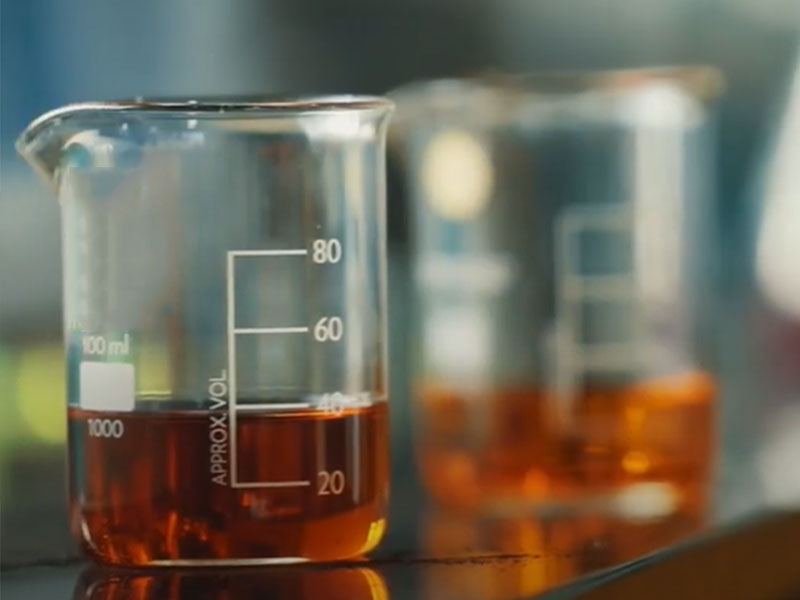
Resource recovery drives the profitability of this advanced technology. A Medical Waste Pyrolysis Plant generates high-purity pyrolysis oil. Pure plastics like PE and PP yield exceptional results. These materials produce between 700 and 800 kilograms of oil per ton. Operators use this oil for industrial boilers or heavy machinery. It represents a significant revenue stream for waste managers. This fuel oil possesses a high calorific value for heating. It effectively replaces expensive virgin fossil fuels in industry.
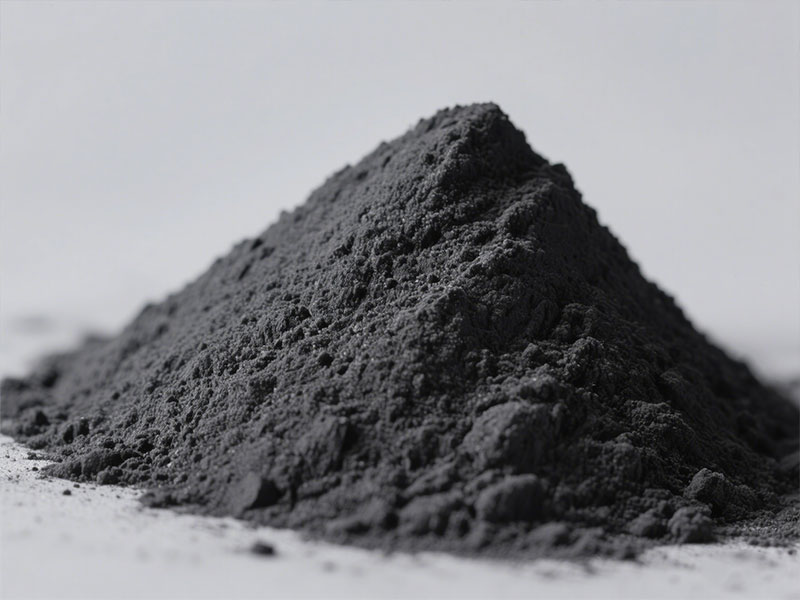
Syngas provides immediate utility within the processing facility. It fuels the reactor to create a self-sustaining loop. This reduces the need for external energy sources significantly. A Medical Waste Pyrolysis Plant also produces valuable carbon residue. This Carbon Blackserves as an industrial filler or solid fuel. Investors often leverage a pyrolysis oil distillation plant to increase profit margins. This extra step produces bright non-standard diesel for ships. The distillation process maximizes the market value of the oil.
Mingjie Group manufactures versatile systems for various facility sizes. A Batch Medical Waste Pyrolysis Plant handles 2 to 15 tons daily. These units suit smaller clinics or local treatment centers. They offer lower investment costs and simpler operational requirements. Batch systems accept larger waste pieces without extensive pre-treatment. This makes them ideal for decentralized waste management projects. Small-scale operators benefit from high slag discharge efficiency. The batch design ensures flexible processing for varied waste loads.
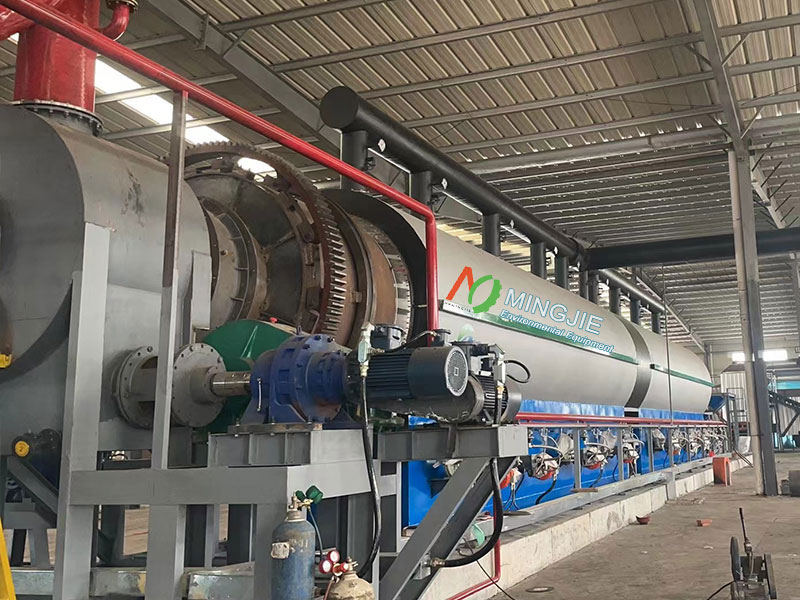
Large municipal centers require a Fully Automatic Pyrolysis Plant. These systems process between 30 and 40 tons every day. They operate continuously for twenty-four hours to maximize output. Continuous models require raw materials shredded to 5-8mm sizes. This uniformity ensures consistent heat distribution and oil quality. Automated feeding and discharging systems optimize overall labor efficiency. The fully automatic design supports industrial-scale waste treatment. It manages massive volumes of medical waste with minimal intervention.
Mingjie Group operates a professional 12,000 square meter manufacturing factory. Their facility includes advanced CNC equipment for precise component fabrication. Every Medical Waste Pyrolysis Plant benefits from twenty years of manufacturing expertise. The team consists of senior engineers and environmental specialists. They have implemented customized solutions in over thirty countries worldwide. Their commitment to innovation drives the success of each project. This global experience ensures high reliability for every client. The factory produces systems that meet the highest international standards.
Modern healthcare systems must adopt responsible waste solutions now. A Medical Waste Pyrolysis Plant offers environmental safety and economic gain. It replaces outdated burning with sophisticated energy recovery technology. This approach supports global circular economy initiatives effectively. It reduces the burden on landfills while generating fuel. Sustainable infrastructure protects our environment and the public health. It provides a robust answer to global waste challenges. The technology turns hazardous burdens into valuable industrial assets.
Investors see high returns through recovered oil and coke. The ability to manage waste surges provides operational security. Choosing a Medical Waste Pyrolysis Plant demonstrates a commitment to innovation. It transforms a costly liability into a valuable resource stream. This technology defines the future of industrial waste management worldwide. It solves today's pollution challenges with advanced thermal engineering. Communities benefit from cleaner air and more efficient waste processing. This is the optimal path for sustainable healthcare infrastructure.
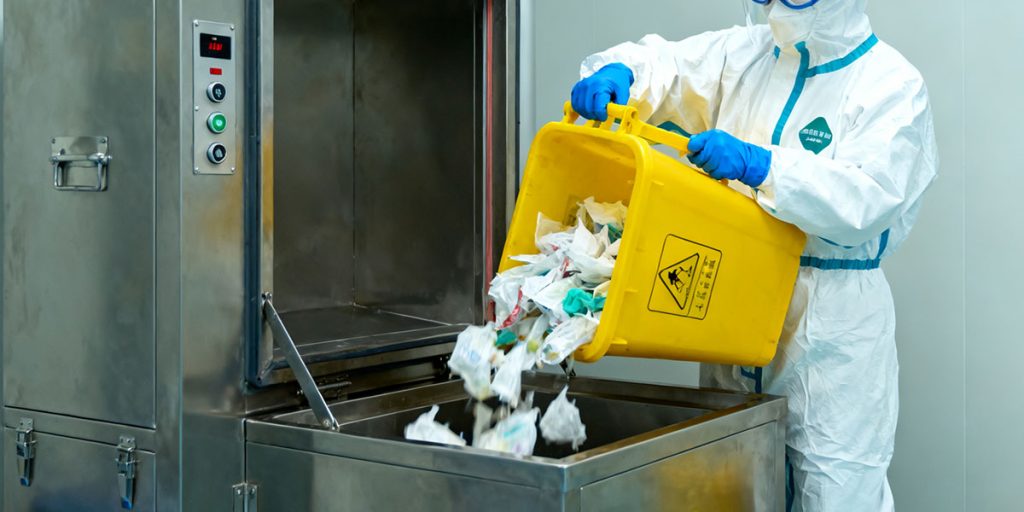
Future-proofing healthcare infrastructure requires investing in proven technology. A Medical Waste Pyrolysis Plant delivers consistent results in diverse climates. It manages various organic wastes including plastics, rubber, and sludge. This versatility makes it an essential tool for municipal managers. The technology helps achieve a closed-loop system for healthcare materials. It supports the transition away from fossil-fuel dependence globally. Every ton of waste processed contributes to a greener future. This investment secures both public health and industrial growth.
In conclusion, the transition to pyrolysis is a strategic necessity. A Medical Waste Pyrolysis Plant offers unmatched efficiency in waste treatment. It neutralizes hazardous pathogens while producing industrial fuels and coke. This dual benefit creates a compelling case for global stakeholders. Modern cities cannot rely on outdated and toxic disposal methods. They must embrace resource-recovery technologies to thrive sustainably. The path forward is clear for responsible waste management professionals. Technology provides the tools to build a cleaner world.

An Australian general waste and tire recycling authoritative body turned to Environment Minister Sussan Ley in November last year with a request to prohibit whole bale tire…
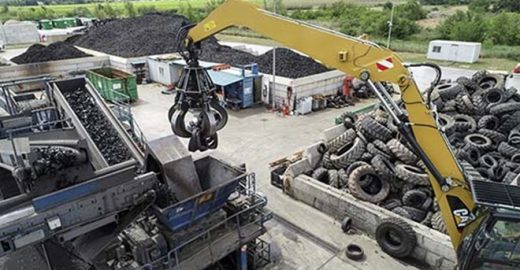
Aliapur – a French end-of-life tire management authority – recently announced a call for applications to participate in a tender to renew end-of-life tire collection and recycling contacts for 2021–2024..