The Global Plastic Treaty sets ambitious mandates for international waste management and resource recovery. These international agreements demand industrial-scale recycling solutions to manage the rising tide of plastic pollution. A continuous plastic waste pyrolysis plant provides the necessary scale for these modern environmental targets. Traditional waste management must transition toward circular energy recovery systems immediately. Modern infrastructure requires scalable and efficient processing technologies to meet global sustainability goals. Investors look for proven methods to handle high volumes of plastic waste effectively. This shift marks a new era in global environmental protection and resource management. Sustainable development depends on our ability to recover energy from discarded materials. The continuous plastic waste pyrolysis plant offers a robust path for large-scale utility customers.
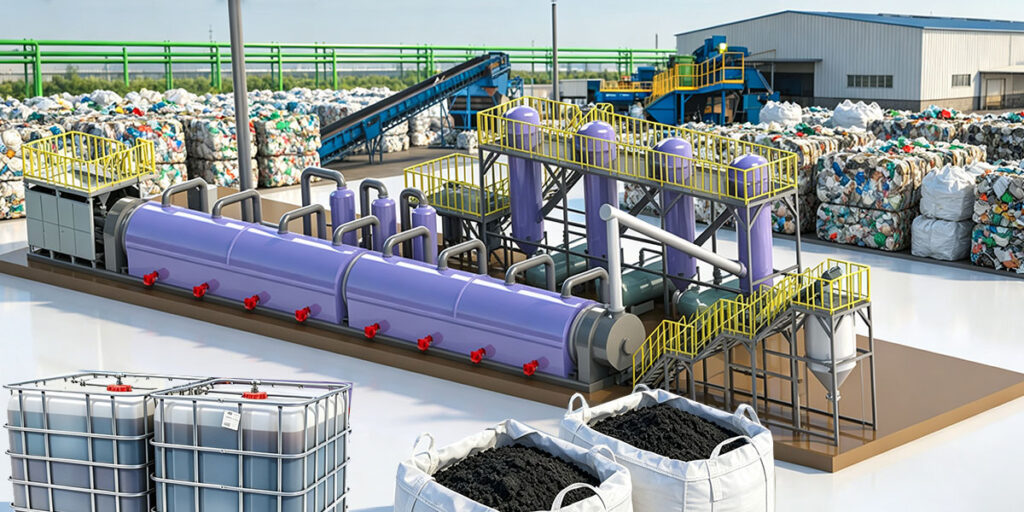
International regulations now force a transition away from traditional incineration and landfills. Advanced thermal decomposition plays a vital role in this global transition toward sustainability. A continuous plastic pyrolysis plant offers a low-emission alternative for managing plastic waste. These systems process materials in oxygen-deficient environments to prevent harmful combustion. This method reduces the environmental impact of municipal solid waste significantly. Technology helps industries meet strict global recycling targets efficiently and safely. Pyrolysis systems avoid the hidden dangers associated with standard biomass incineration practices. They produce fewer dioxins, nitrogen oxides, and sulfur dioxide compared to direct burning. A continuous plastic pyrolysis plant supports a much cleaner future for global waste management. Active technology now replaces outdated and polluting waste disposal methods across the world.
Fully automatic systems provide significant technical advantages for industrial recycling operations. A Waste plastic pyrolysis plant allows for 24-hour continuous feeding and discharging. These plants process up to 30 tons of plastic waste every single day. The sealed operating environment ensures a clean and safe workspace for all employees. High-efficiency systems include water-cooled automatic slag discharge components for better performance. These features allow operators to discharge carbon black at very high temperatures. Users do not need to wait for the reactor to cool down between cycles. This design maximizes throughput and operational reliability for large-scale projects. The continuous plastic pyrolysis plant maintains a consistent temperature for optimal production. Sealed processes prevent the release of fly ash into the surrounding environment during operation.
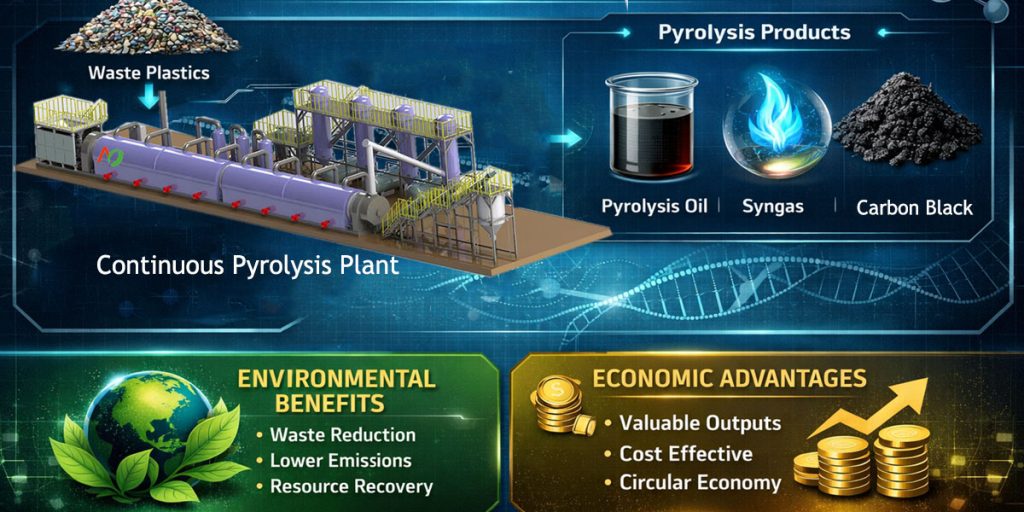
Processing Polypropylene (PP) and Polyethylene (PE) yields the highest returns for modern recycling facilities. Pure materials like plastic films, bottles, and oil drums serve as ideal feedstocks. A continuous plastic pyrolysis plant achieves 70% to 80% fuel oil yields from these plastics. Woven bags and electrical insulating materials also provide excellent raw material for the process. Proper feedstock preparation requires crushing materials to a size of 5-8mm. This size ensures consistent feeding through the automated systems for maximum efficiency. High oil yields make PP and PE recycling financially attractive for international investors. A continuous plastic pyrolysis plant transforms low-value waste into high-purity fuel oil. Plant operators expect 800 kilograms of oil from 1000 kilograms of pure PP. Pure PE materials provide similar high-yield results during the thermal decomposition process.
Pyrolysis transforms waste into high-value products like fuel oil and carbon black. The process generates syngas which serves as combustible fuel for the plant itself. This self-fueling capability reduces overall energy costs for the entire facility. Industrial boilers and heavy-duty diesel engines utilize the resulting fuel oil for power. Carbon black serves as a fortifier in the rubber and plastic industry. Some facilities further process this material into activated carbon for purification systems. These products create multiple revenue streams from a single waste source. A continuous plastic pyrolysis plant effectively recovers energy and value-added products from trash. The process creates a closed loop for plastic materials and rubber products. Investors obtain high returns while solving prominent environmental problems simultaneously through energy recovery.
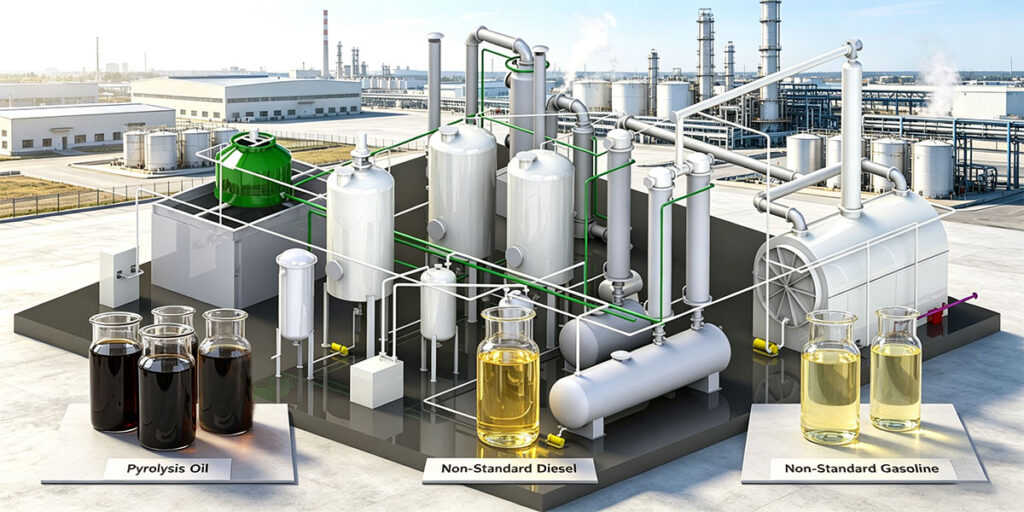
A secondary distillation stage purifies crude pyrolysis oil into higher-quality fuels. The pyrolysis oil distillation plant separates crude oil under high temperatures during processing. This process results in bright non-standard diesel for various industrial applications. Ships and diesel generators utilize this light fraction oil effectively for power. Low-speed engines also benefit from this refined fuel source in heavy-duty settings. The distillation process removes impurities and pollutants from the raw pyrolysis oil. Investors gain higher economic returns by producing premium non-standard diesel for the market. A Cost of a Plastic Pyrolysis Plant provides the raw oil for this critical purification stage. Distillation units also process waste engine oil, transformer oil, and used lubricants. The final product serves as a viable alternative to standard fossil fuels.
Project scale determines whether a facility needs batch or continuous systems for production. Batch systems process smaller loads and require manual reloading after each cycle. A continuous plastic pyrolysis plant provides the high throughput needed for industrial projects. Batch models suit small-scale production with lower initial investment costs for owners. Fully automatic continuous models offer maximum efficiency through completely automated operation. Labor requirements decrease significantly with continuous feeding and discharging capabilities. High-throughput projects rely on these automated systems to maintain steady daily production. The continuous plastic pyrolysis plant handles 30 tons of plastic waste every day. In contrast, batch machines typically process between 2 and 15 tons daily. Automatic systems ensure a cleaner operating environment than labor-intensive batch units.
Beyond PP and PE, these plants handle a wide variety of organic wastes. A continuous plastic pyrolysis plant can process municipal solid waste and medical waste. It also treats oil sludge, e-waste, and wind turbine blade waste. Pre-sorting municipal waste removes inert materials like metal, glass, and stones. This preparation ensures the machine performs at its highest capacity and efficiency. Pyrolysis equipment provides a comprehensive solution for managing hazardous medical and industrial solids. High temperatures break down complex polymers without releasing the toxins found in traditional burning. The continuous plastic pyrolysis plant converts these problematic materials into useful energy resources. Such versatility makes the technology essential for integrated waste management strategies worldwide. Communities can significantly reduce the volume and weight of garbage sent to landfills.
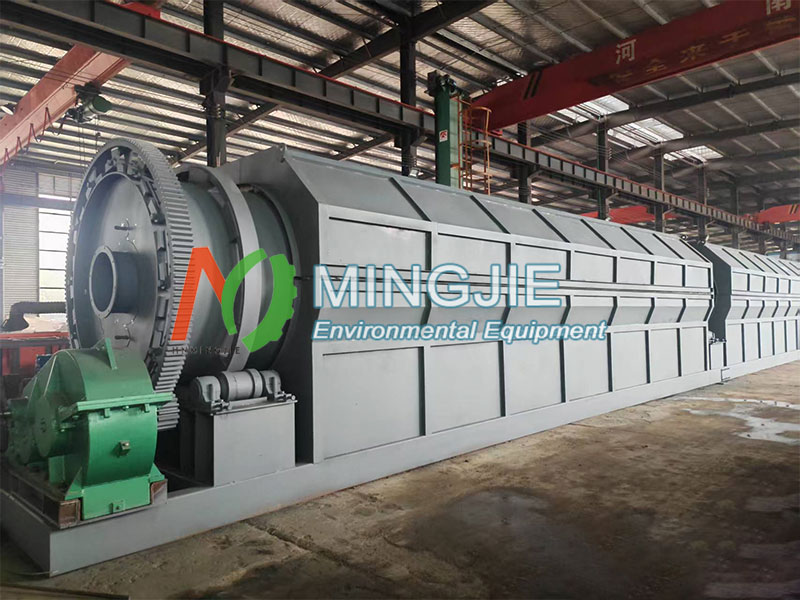
Leading manufacturers ensure their equipment meets international certification standards like CE and ISO. Mingjie Group operates as a prominent manufacturer with projects in over 30 countries. Their continuous plastic pyrolysis plant reduces CO2 emissions compared to traditional incineration methods. Unique flue gas treatment systems ensure the facility meets environmental safety standards. Emission purification systems remove harmful gases and smoke during the entire operation. These technologies support global efforts toward cleaner air and water for everyone. Proven machinery helps utility customers achieve their sustainability goals through technological innovation. A continuous plastic pyrolysis plant offers a technically and commercially proven solution for waste. The company has provided customized environmental solutions to over 200 global customers. Expert engineers and environmental experts constantly promote technological innovation for better results.
Infrastructure projects require reliable technology to manage the growing volume of global waste. A continuous plastic pyrolysis plant fits perfectly into large-scale urban development plans. These plants transform mountain-high waste piles into high-purity fuel oil for industrial boilers. Such capability revitalizes local economies by creating high-value products from common trash. Industrial and utility customers improve their performance while reducing their environmental footprint. The continuous plastic pyrolysis plant offers the best technical solution for tire and plastic recycling. Standardized manufacturing processes ensure each machine meets rigorous quality requirements. Global market share reflects the trust customers place in these highly cost-effective systems. This technology represents a critical pillar in the construction of sustainable modern cities.
Industrial pyrolysis technology aligns perfectly with the goals of the Global Plastic Treaty. High-throughput recycling is now a requirement for modern industrial and utility customers. A continuous plastic pyrolysis plant supports a closed-loop system by recovering energy from waste. Technically proven machinery provides the reliability needed for long-term circular economy projects. Scaling these solutions helps manage the global tide of plastic pollution effectively. Industry leaders continue to innovate to improve recycling performance and operational efficiency. The continuous plastic pyrolysis plant turns waste mountains into high-purity fuel oil. This technology revitalizes local economies by creating high-value products from common trash. The global market recognizes the importance of sustainable energy recovery systems for the future.

An Australian general waste and tire recycling authoritative body turned to Environment Minister Sussan Ley in November last year with a request to prohibit whole bale tire…
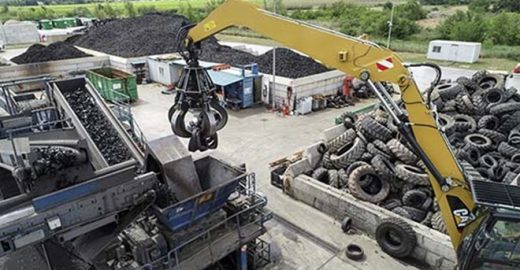
Aliapur – a French end-of-life tire management authority – recently announced a call for applications to participate in a tender to renew end-of-life tire collection and recycling contacts for 2021–2024..