Unlike incineration, which completely destroys the resource value, continuous oil sludge pyrolysis achieves both harmless treatment and resource recovery. Hazardous oil sludge presents a dual challenge: it is environmentally hazardous, yet rich in recoverable hydrocarbons. Pyrolysis technology has emerged as a viable hazardous waste treatment method. Operating in an oxygen-free environment, it converts the organic components of the sludge into recoverable oil and gas, while the resulting solid residue meets stringent disposal standards.
Oil sludge is a complex emulsion consisting of water, oil, and solids. Depending on its source, its typical composition generally includes 30%–50% water, 30%–80% oil, and 10%–20% solid residue. This composition makes the sludge difficult to treat via biological methods, especially when it contains polycyclic aromatic hydrocarbons (PAHs) or other persistent organic pollutants. Oil sludge pyrolysis plant effectively addresses this by thermally cracking the hydrocarbons in the absence of oxygen. The final products of the oil slduge pyrolysis process include pyrolysis oil, syngas, and solid carbonaceous residue.

Continuous pyrolysis plant designed typically consists of several integrated subsystems, including a feed system, a pyrolysis reactor, a gas purification system, a condensation system, and a residue discharge system. The core continuous oil sludge pyrolysis reactor operates under slight negative pressure to prevent air ingress and ensure an oxygen-free environment.
The oil sludge is fed into the reactor, where it undergoes indirect heating. As the temperature rises, moisture and light hydrocarbons vaporize first, followed by the thermal cracking of heavier organic components. The resulting vapor stream enters the condensation system, where condensable components are converted into pyrolysis oil. Meanwhile, the non-condensable syngas is purified and can be recycled as fuel for the heating system. This energy integration is crucial to the economic viability of large-scale oil sludge pyrolysis projects. Once the unit reaches steady-state operation, the need for external fuel supply can be significantly reduced or even entirely eliminated.
Solid residues are discharged through a sealed system to prevent contact with the atmosphere. The quality of these residues is a key metric for determining compliance with regulatory standards. In modern continuous oil sludge pyrolysis plant, the residual oil content in the solid product can typically be kept below 0.3%, with some systems achieving levels as low as 0.05%. Once this threshold is met, the residue is generally classified as non-hazardous solid waste and can be utilized as backfill material or as a raw material for construction products.
Continuous oil sludge pyrolysis is more than just simple heating, stable operation relies on several critical control points.
No single pyrolysis plant serves as a universal solution for all types of oil sludge. In practice, pilot testing with representative samples is essential, as sludge from different sources—such as storage tank bottoms, refinery wastewater treatment sludge, or offshore drilling waste—behaves differently within a pyrolysis reactor. Factors such as coking tendencies, the degree of oil sludge pyrolysis equipment corrosion, and the quality of the resulting residue are all dictated by the specific mineral and chemical composition of the feedstock.
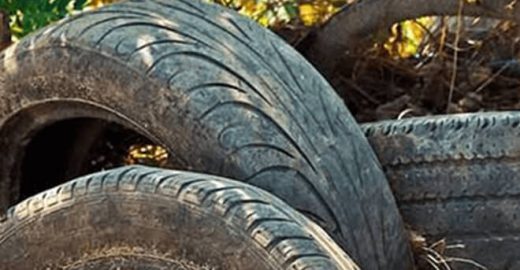
An Australian general waste and tire recycling authoritative body turned to Environment Minister Sussan Ley in November last year with a request to prohibit whole bale tire…
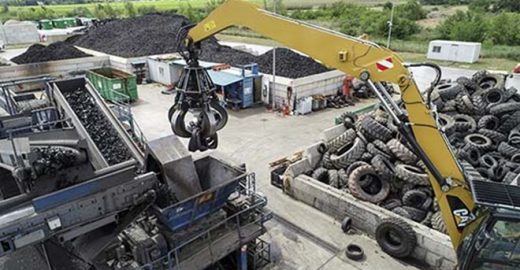
Aliapur – a French end-of-life tire management authority – recently announced a call for applications to participate in a tender to renew end-of-life tire collection and recycling contacts for 2021–2024..