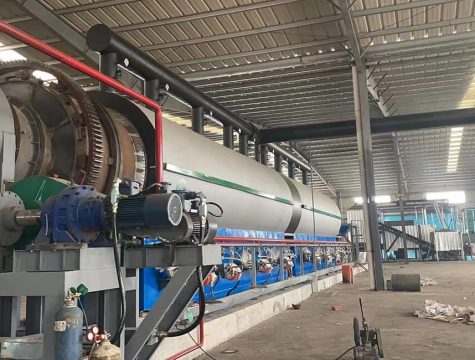
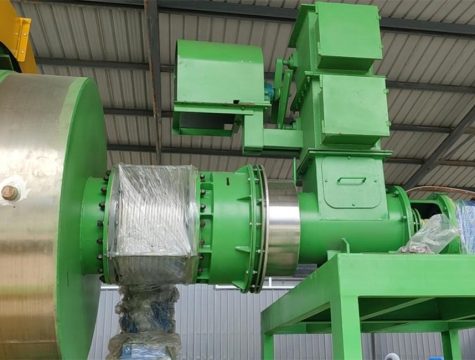
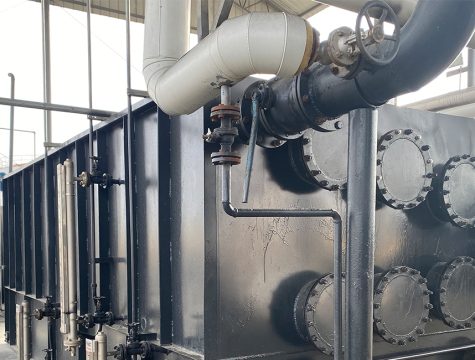
· Product: MJZ-20 distillation plant
· Country: Vietnam
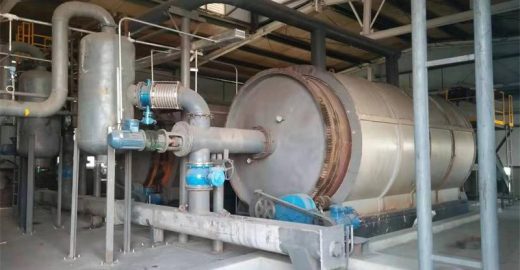
On June 12, 2026, Mingjie Group completed the delivery of the MJZ-20 crude oil distillation plant to Vietnam. This distillation equipment is a core refining device at the downstream end of the plastic pyrolysis oil production line. It uses negative pressure vacuum fractionation technology to deeply purify low-quality pyrolysis crude oil.
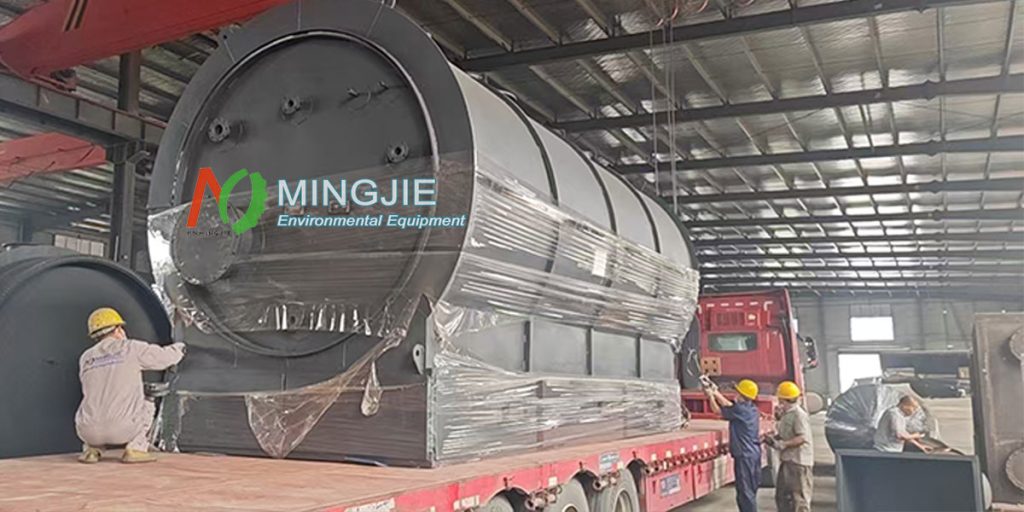
The crude oil distillation plant is highly adaptable and widely compatible. It can process various types of plastic pyrolysis oil, tire pyrolysis oil, and crude oil from mixed solid waste pyrolysis. It also can process waste engine oil, waste transformer oil, and waste lubricating oil.
Driven by both global "dual carbon" targets and circular economy policies, the pyrolysis oil market is entering a period of rapid growth. Data shows that the global tire pyrolysis oil market was worth approximately US$11.49 billion in 2024 and is projected to grow to US$134.7 billion by 2035, at an average annual growth rate of 25%.
The waste oil distillation machinery market is also showing strong performance, with a global market size of approximately US$359 million in 2024, projected to reach US$490 million by 2031, representing a compound annual growth rate of approximately 4.5%.
Pyrolysis plant, as highly efficient chemical recycling equipment, plays an increasingly important role in the treatment of solid waste such as waste tires, waste plastics, and oil sludge. Pyrolysis machine decomposes organic waste at high temperatures under anaerobic or oxygen-deficient conditions, converting it into reusable products, such as pyrolysis oil, syngas, and carbon black.
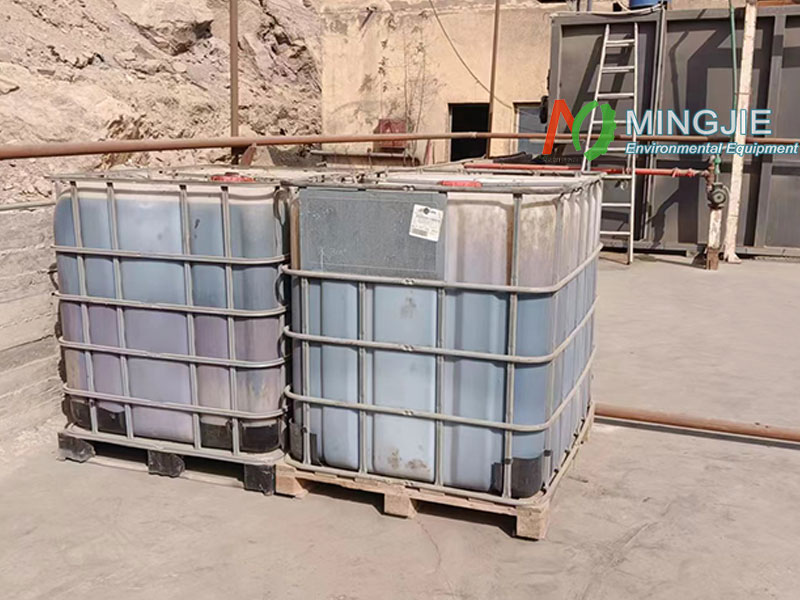
However, the crude pyrolysis oil directly produced during the pyrolysis process is typically a black or dark brown viscous liquid. It contains a large number of impurities, including sulfur, chlorine, oxygen-containing compounds, colloids, and acidic substances. The complex composition and poor stability of crude pyrolysis oil can corrode equipment.
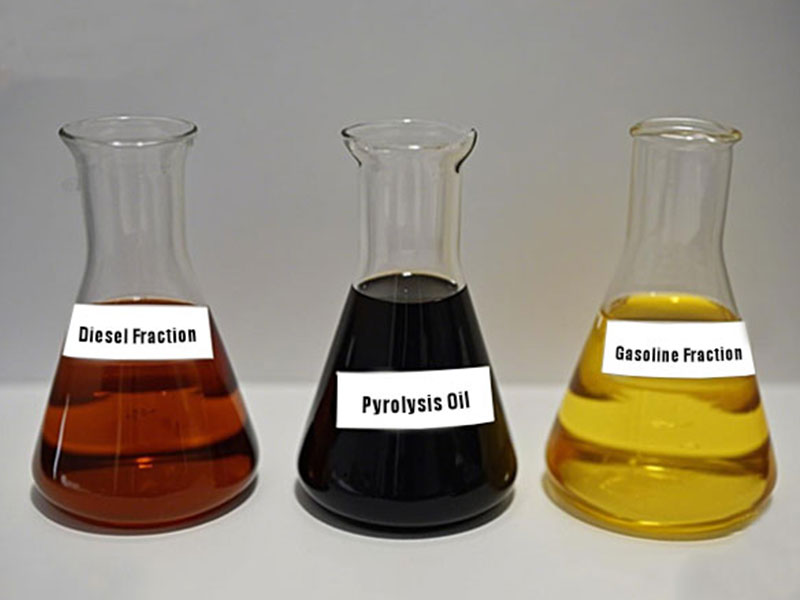
Crude oil distillation plant is the key core equipment for solving these problems. As a core supporting equipment in the solid waste pyrolysis industry chain, the distillation plant can fractionate and purify the crude pyrolysis oil. It can separate light fuel oil, medium diesel fraction, heavy fuel oil, and chemical raw materials from the pyrolysis oil. This directly determines the added value and market competitiveness of the pyrolysis oil.
Through distillation and purification, crude pyrolysis oil is transformed into a variety of high-value-added products, widely used in the fuel and chemical industries.
Light fractions (gasoline, kerosene): Highly volatile and low in viscosity, suitable for use as fuel in vehicles (especially automobiles and aircraft).
Middle fractions (diesel): With moderate boiling points and viscosity, suitable for use as fuel in industrial engines, ships, and other power equipment. Decolorized and refined diesel can directly replace traditional petrochemical diesel, with sulfur content controlled below 500 ppm.
Heavy fractions: Containing high-boiling-point macromolecular compounds, they can be further processed to produce lubricating oils, asphalt, and other products, and can also be used as fuel for industrial boilers.
A complete crude oil distillation plant consists of multiple functional modules working together. The organic coordination of these systems is essential for achieving efficient, stable, and safe fraction separation.
Distillation Column: The distillation column is the core separation unit of the entire unit. Its height and diameter directly determine the separation efficiency. The column provides a gas-liquid interface through packing or tray structures, achieving continuous separation of light and heavy components under the influence of a temperature gradient.
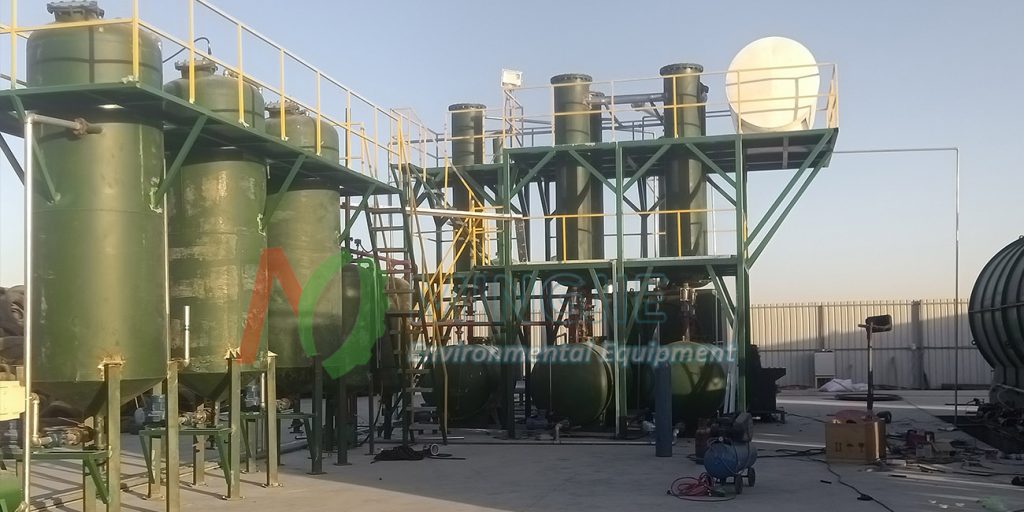
Heating System: The heating system provides heat to the bottom of the distillation column to maintain stable operation throughout the distillation process. It can be powered by gas or electrically. When using gas, it is necessary to ensure that the gas pipeline is well-sealed and the gas supply is stable. When using electric heating, heating elements must be installed and connected to a heating circuit.
Condenser: The condenser cools and liquefies the rising oil vapor from the top of the distillation column. It is a key piece of equipment for obtaining liquid fraction products. By controlling the temperature of the cooling medium, the target fraction can be selectively condensed.
Control System: Modern pyrolysis oil distillation equipment is equipped with an integrated electrical control system. This system is responsible for controlling and monitoring key operating parameters of the equipment, such as start-up, shutdown, temperature, pressure, and flow rate.
In addition, the pretreatment system (including settling tanks, centrifugal dehydrators, filters, etc.), cooling water circulation system, and safety protection system are also indispensable auxiliary components of the distillation unit. Before entering the distillation column, the pyrolysis oil usually requires pretreatment. It is allowed to settle in a settling tank to remove moisture and solid particles. For pyrolysis oil with high moisture content, a centrifugal dehydrator is used to reduce the moisture content to below 1%.
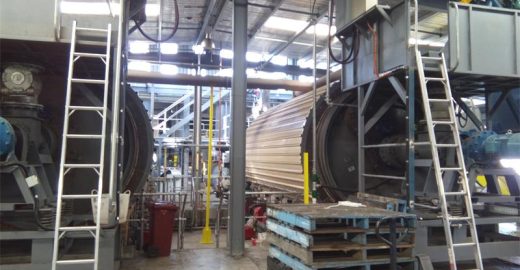
· Product: semi-continuous waste tires pyrolysis plant
· Country: Australia
· Nissan: daily capacity 30T
· Country: Lebanon