The root cause of the failure of the commercial plastic pyrolysis project is that it encountered triple dilemmas of technology, economy and market during the scale-up process from laboratory to factory. This is not a simple business setback, but a structural dilemma that a technical route with high hopes encounters in the real business world.
The pyrolysis technology performed well at the pilot stage. But once it is scaled up to an industrial scale, a series of complex problems are exposed:
The pyrolysis process requires relatively pure and stable plastics (such as polyethylene, polypropylene) as raw materials. However, waste plastic in the real world is a complex mixture of PET, PVC and other materials, mixed with food residues, labels, and metals. Different plastics have different pyrolysis temperatures and products, and mixed feeds make process control extremely difficult. This can lead to unstable output of plastic pyrolysis oil and blockage of pyrolysis equipment.
PVC, which is common in waste plastics, is the "natural enemy" of pyrolysis plant. When heated, PVC releases highly corrosive hydrogen chloride (HCl). This will not only seriously corrode core equipment such as reactors and pipelines, but also significantly increase maintenance costs. Persistent organic pollutants such as dioxins and furans may also be formed.
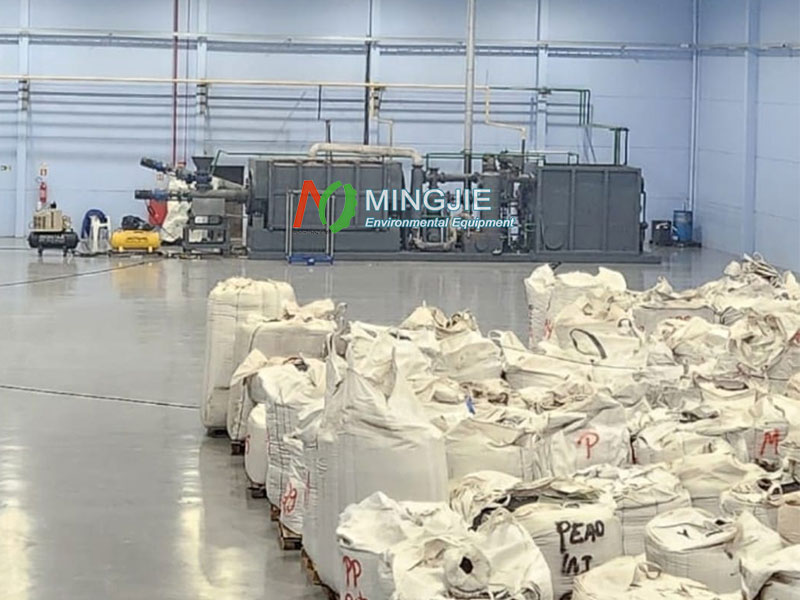
The pyrolysis oil from plastic waste is not a clean fuel. It contains impurities such as sulfur, chlorine, and heavy metals, and is highly acidic and unstable. It needs to be distilled or hydrotreated before it can become a qualified fuel or chemical feedstock.
Even if the technical difficulties are overcome, large-scale commercial pyrolysis plants still face a more fundamental financial problem.
The pyrolysis process itself requires a large amount of external energy to maintain high temperatures. At the same time, pre-processing steps such as collection, sorting and cleaning of raw materials are also costly. The end product is a lower value pyrolysis oil and carbon black that requires additional processing. The Dutch company Pryme's factory in Rotterdam is a typical example. This plant, with a designed annual production capacity of 40,000 tons, actually produced only 340 tons of pyrolysis oil in 2024, with an estimated loss of more than 12 million euros.
While internal costs are high, commercial plastic pyrolysis plants are also facing a severe external market environment.
Globally, demand for scrap plastic feedstock from announced chemical recycling projects is estimated to exceed actual supply by approximately 60%. This situation directly drives up the cost of raw material procurement, making the already fragile economic model even worse.
Although it is common for plastic pyrolysis commercialization projects to fail, there are many projects around the world that have entered the stage of truly large-scale commercial operations. These projects gradually transformed pyrolysis from a concept with high hopes to a viable industry. What they have in common is through disruptive technology, modular deployment, industry chain integration and policy leverage.
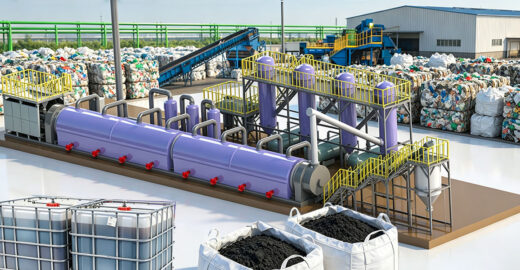
The Global Plastic Treaty sets ambitious mandates for international waste management and resource recovery. These international agreements demand industrial-scale recycling solutions to manage the rising…
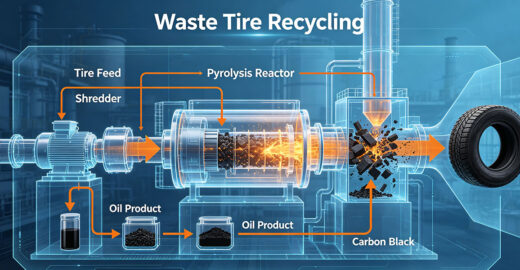
Every year, hundreds of millions of tons of automotive tires reach the end of their service life globally. These polymer-based rubber products take centuries to…