

Global supply chains now shift toward emerging industrial markets. This expansion creates significant waste management challenges in developing regions. Local companies often use the Semi-continuous…

South Asian grain regions face a massive waste crisis every harvest season. Rice husks pile up in mountains across the rural landscape. Traditional incineration releases…

Iraq faces severe environmental challenges after years of intense regional conflict. These wars left behind vast amounts of hazardous oil field pollution. Modern Oily Sludge…
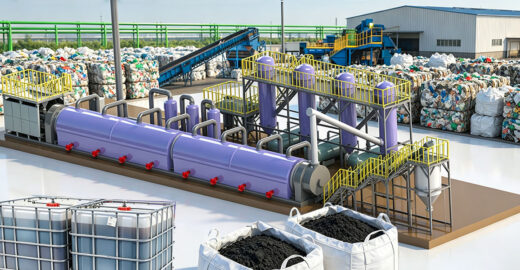
The Global Plastic Treaty sets ambitious mandates for international waste management and resource recovery. These international agreements demand industrial-scale recycling solutions to manage the rising…
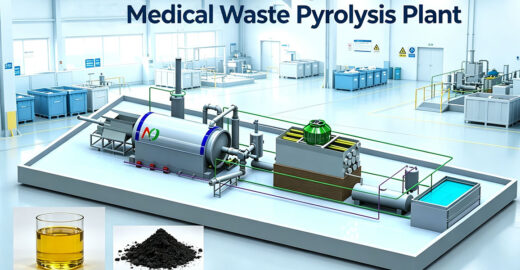
Global health crises demand advanced waste management solutions. A Medical Waste Pyrolysis Plant optimizes disposal efficiency today. Traditional methods struggle with infectious volume spikes. This…
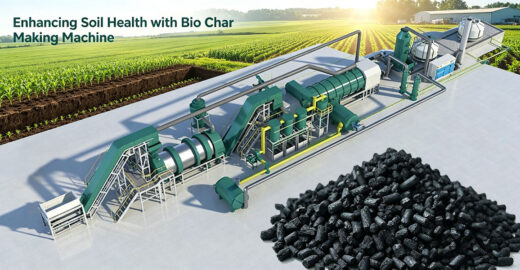
Global costs for chemical fertilizers currently reach record highs. These skyrocketing prices threaten international food security. Traditional farming methods now drain profits from local producers.…
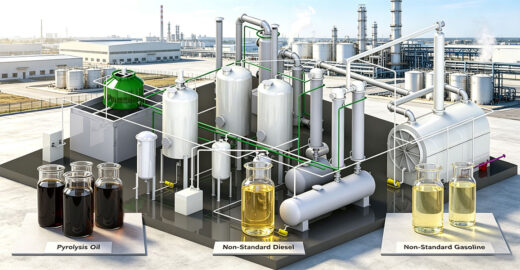
Global shipping industries face rising fuel costs and supply shortages today. Ship owners urgently need affordable and reliable energy alternatives for their fleets. The Waste…
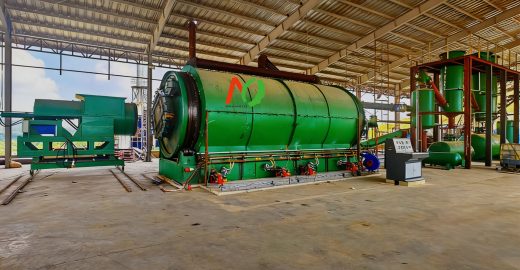
The Philippines faces a massive waste management crisis that demands immediate attention from all sectors. Mountainous landfills threaten local ecosystems and the health of surrounding…
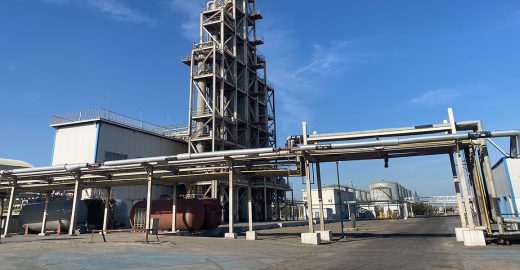
Global crude oil markets currently face extreme price volatility. Geopolitical shifts and supply chain constraints create significant risks for industrial fuel consumers. These fluctuations force…
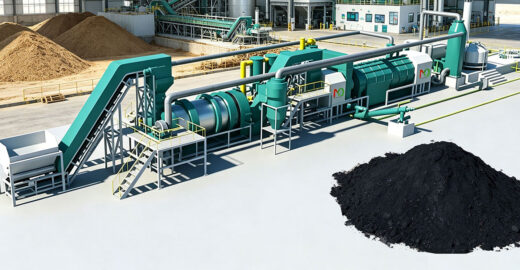
Arid regions in Africa face severe land degradation through spreading desertification. This process destroys fertile soil and threatens local agricultural production. A biomass carbonization plant…